
Introduction
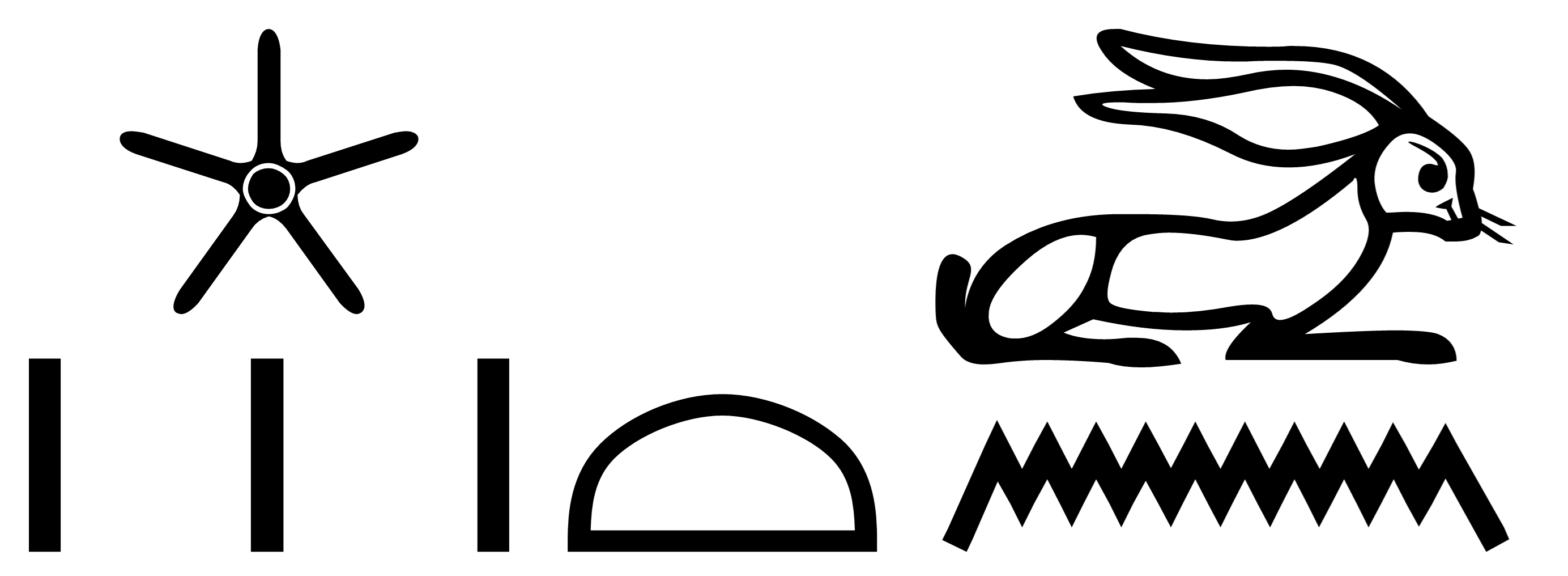 wnwt – ancient Egyptian temple workers were
 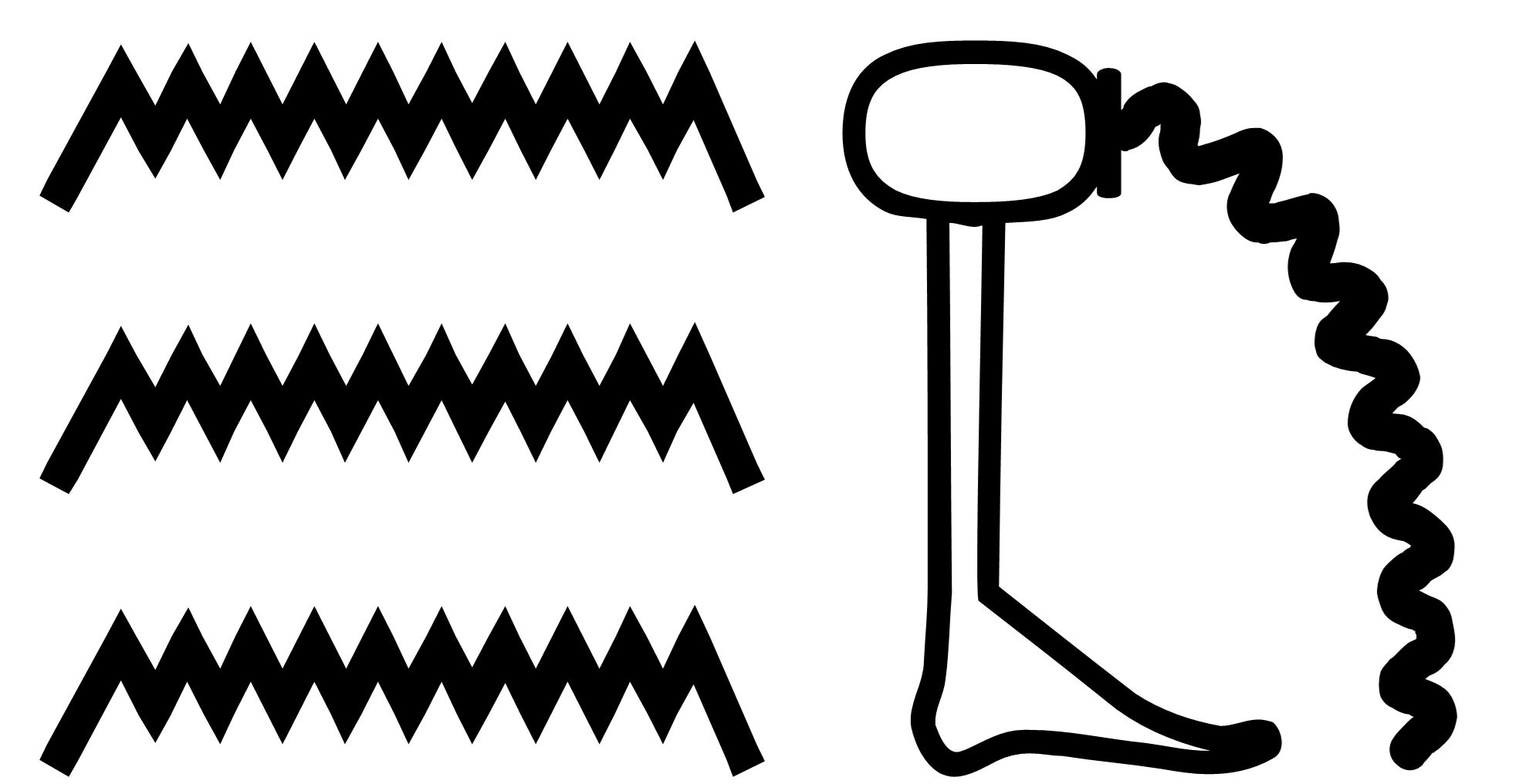 wab – pure to build, maintain, and administrate an ancient Egyptian temple. This necessity was the ultimate law in an ancient Egyptian temple. A deity could not see and speak directly with
 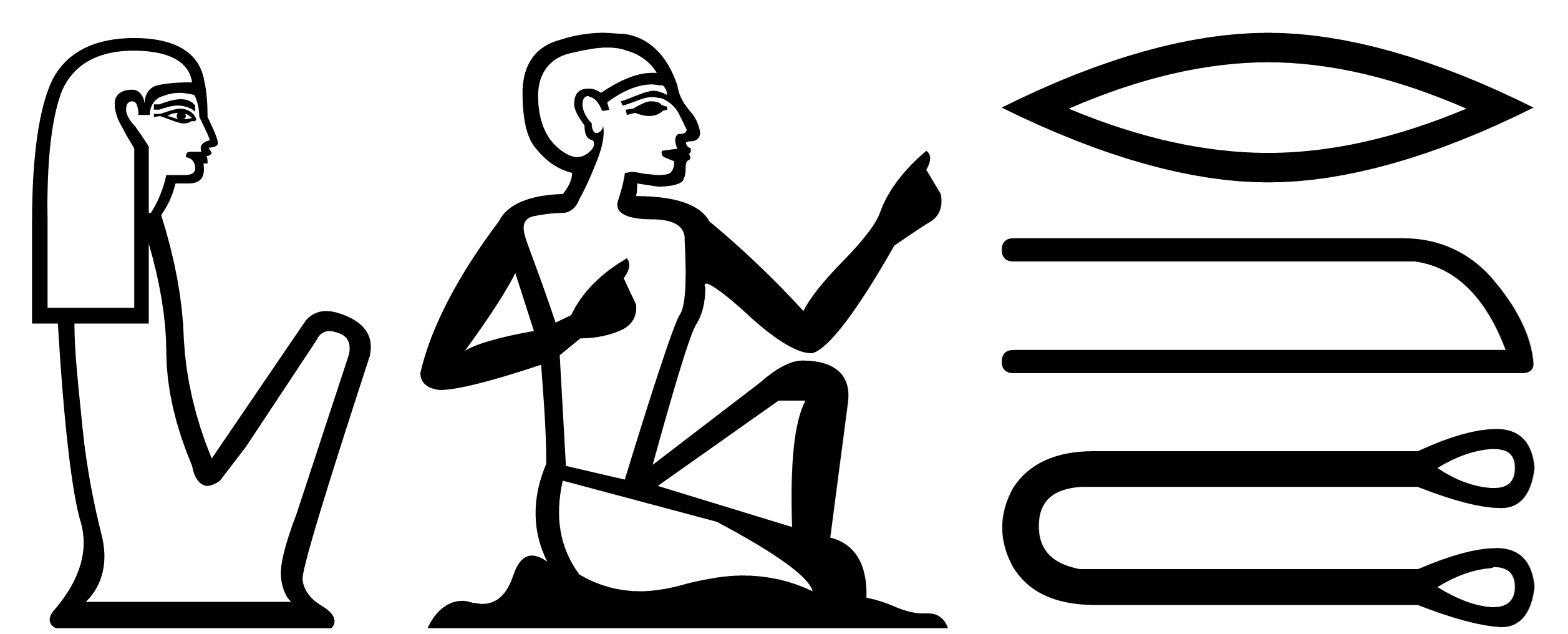 rmT – ancient Egyptian people without a
 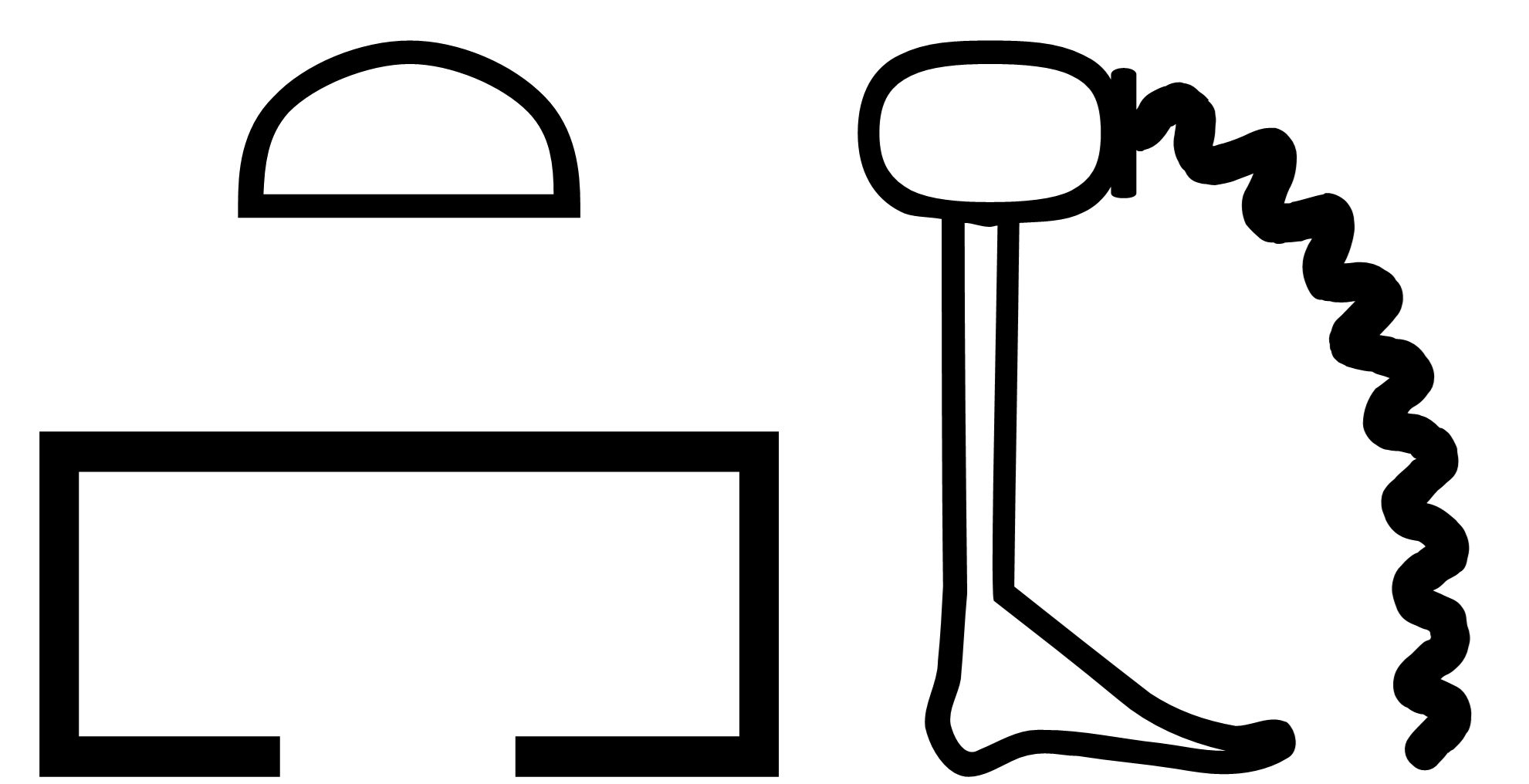 wabt – pure locality. The perceptions of
 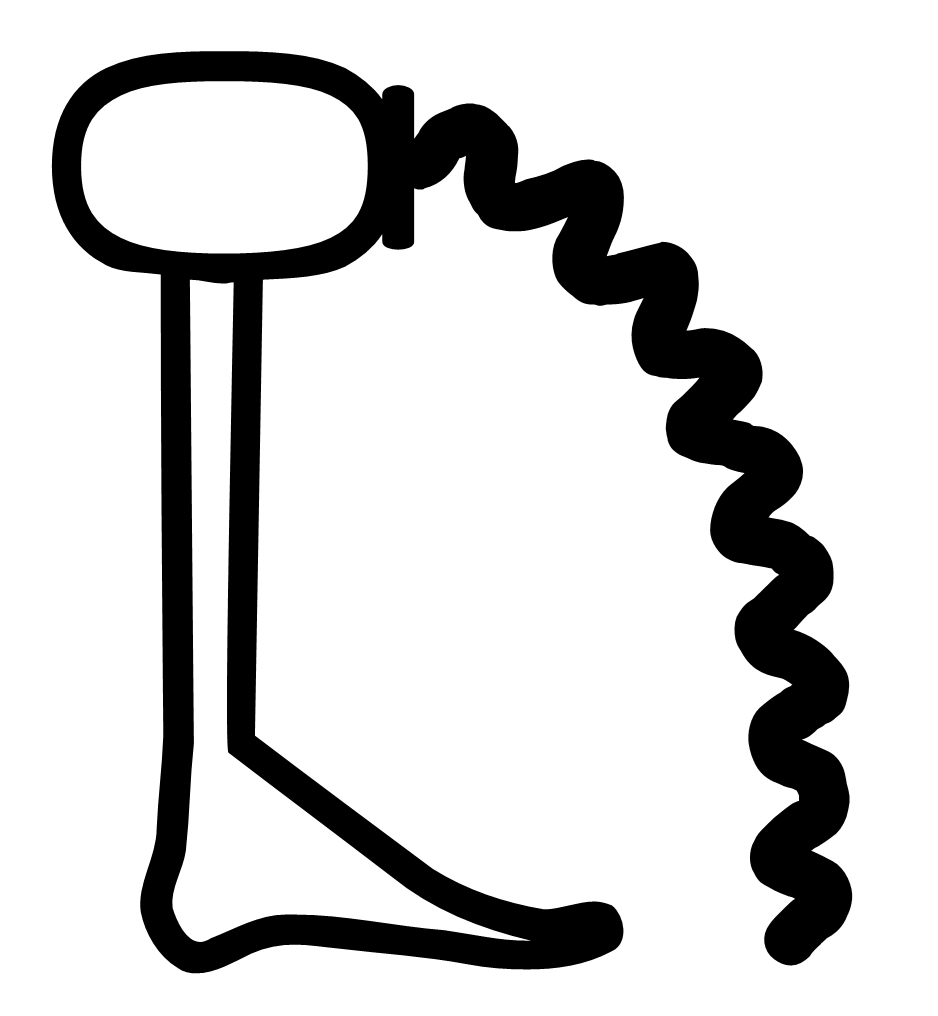 wab – purity gave way to the structure of the ancient Egyptian temple, and through the dissemination of its architecture throughout the ancient world, the structures of sacred spaces across the world were influenced by the ancient Egyptian concept of wab – purity. Specific forms and substances were known to ancient Egyptians as tools and images of wab – purity. Both concepts and objects were known and utilized by the wnwt – temple workers in the
 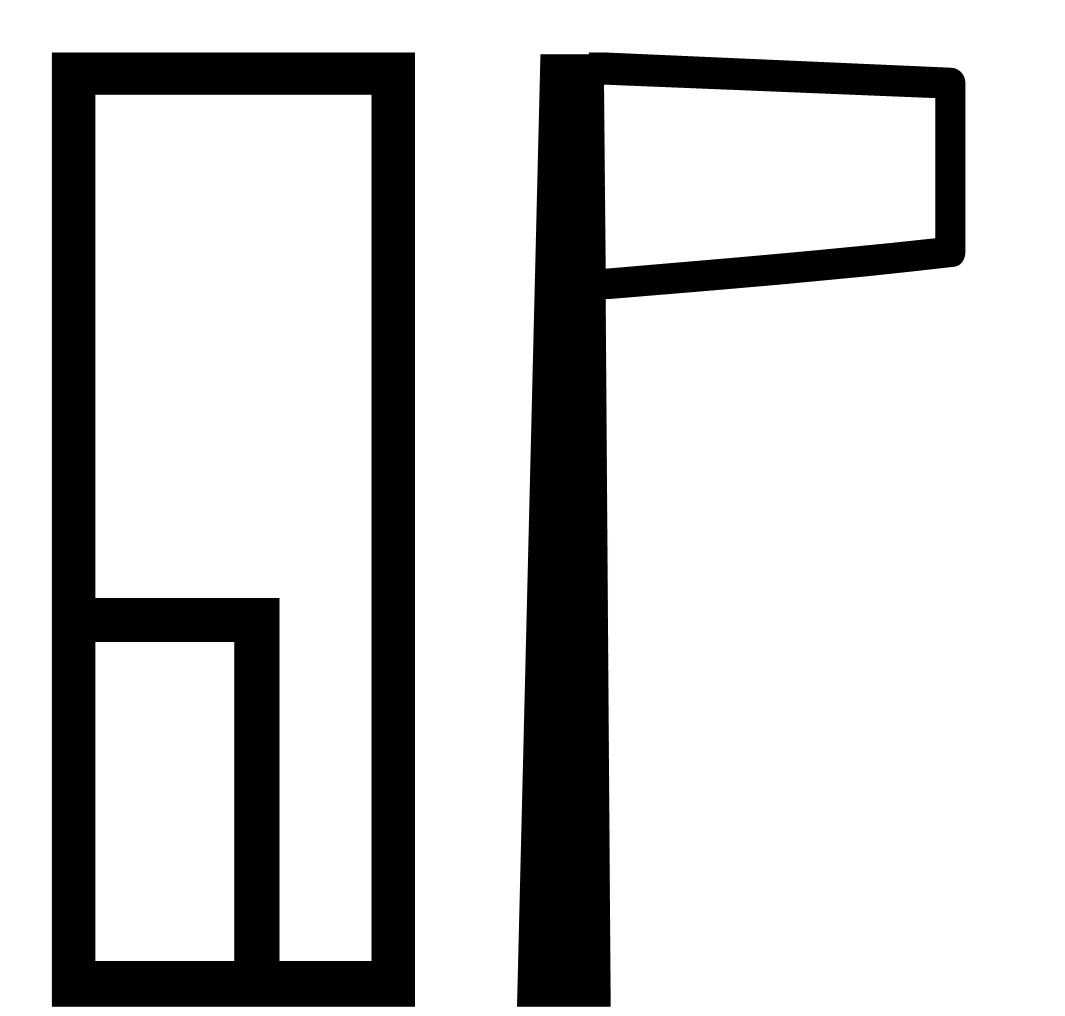 Hwt nTr – House of the God, or ancient Egyptian temple.
Writing and Analysis
An analysis of the 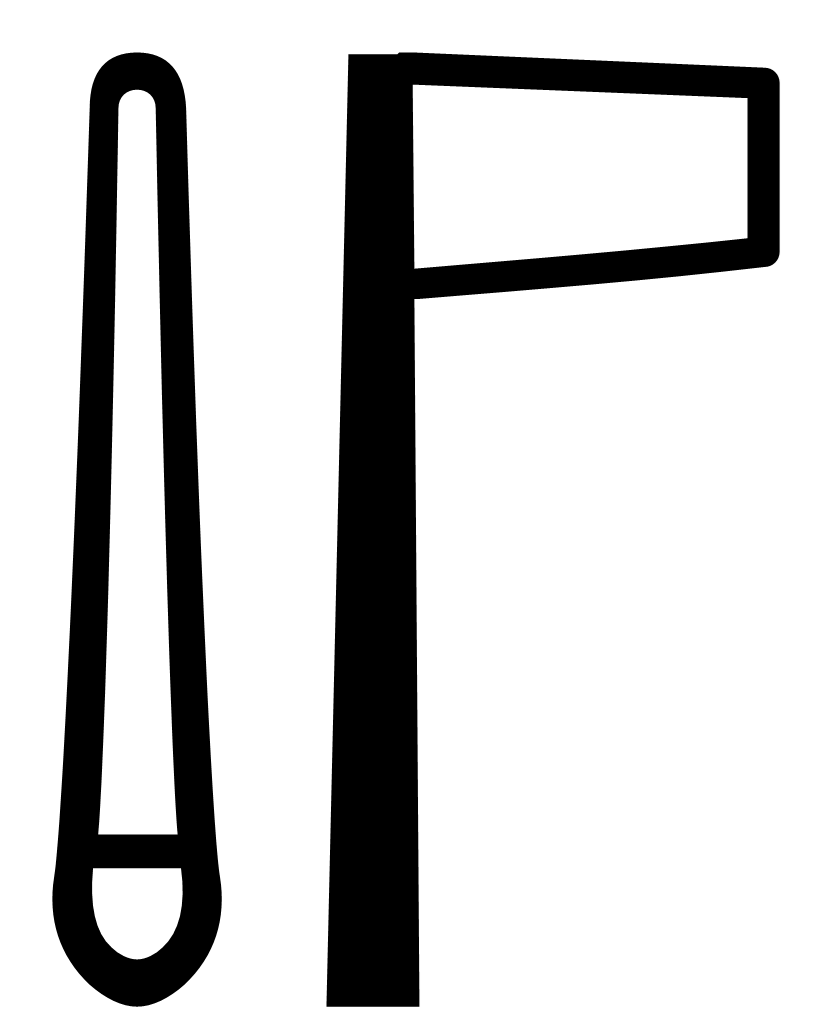 mdw nTr – divine writings provides insight into the conceptions of wab – purity.
[D60] foot with jar pouring water
Hieratic
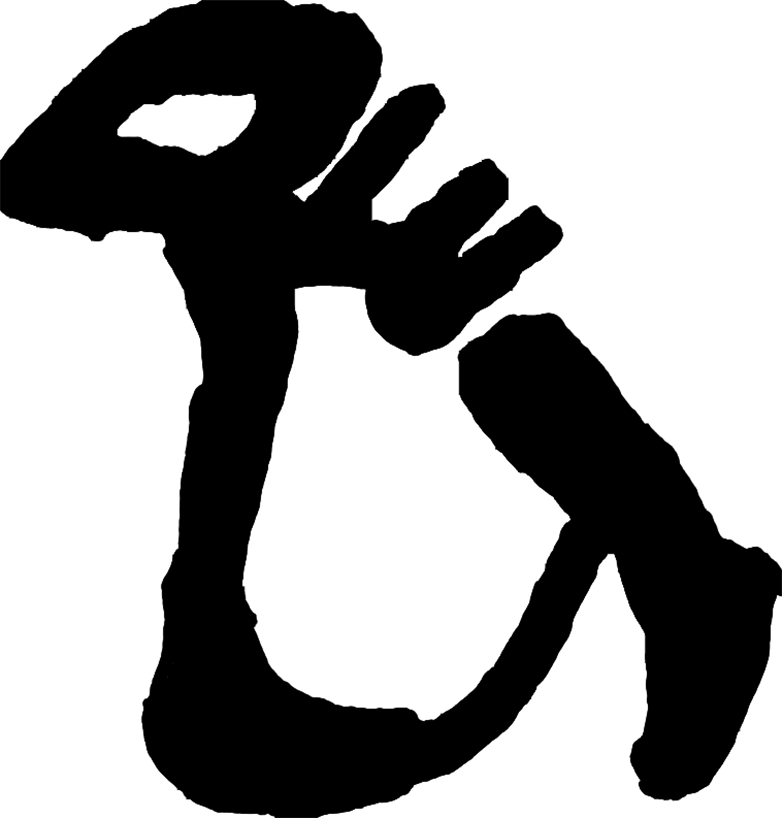
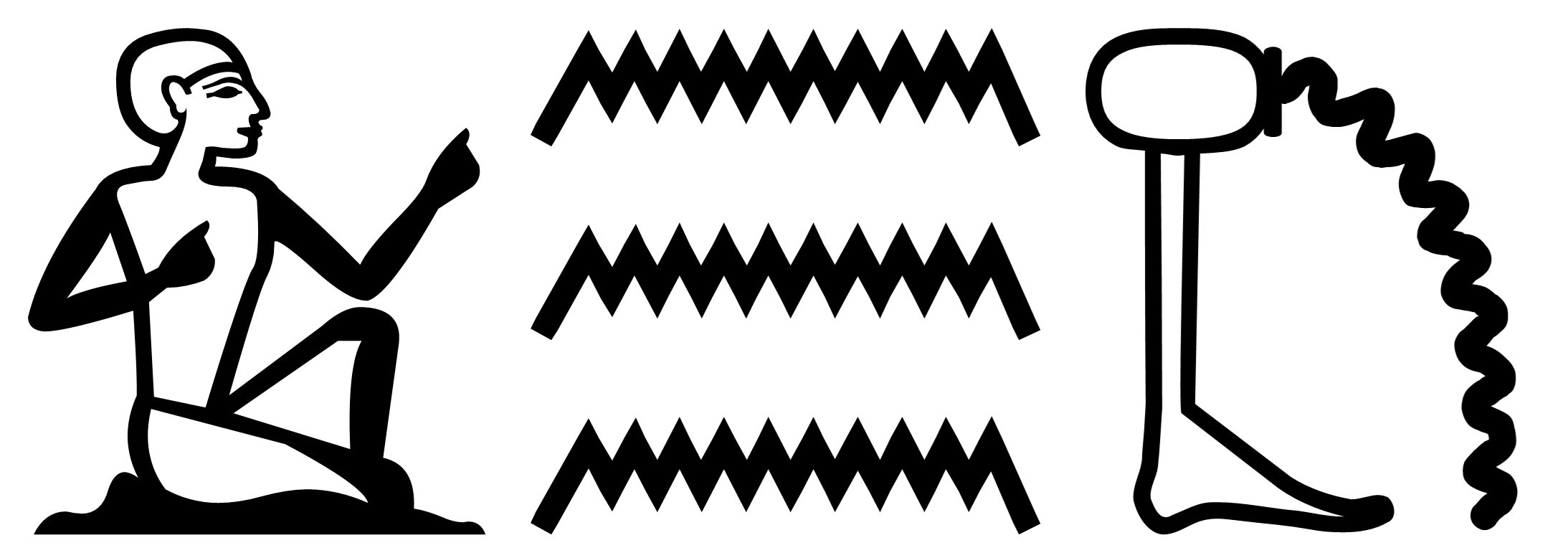 wab – pure one
All wnwt – temple workers carried the title and vocation of wab – pure one. Ritual and ceremony as well as practical work were all under the purview of the wab. This first required an initiatory consecration and purification of the body and the  kA spirit before the wnwt could perform their duties, which also encompassed the basic training of a wab – pure one in the principles and practices of wab – purity.
Initiation
The actual codified ceremony has not been found, but personal accounts and archaeological discoveries have made it possible to reconstruct the components of ancient Egyptian wab initiation. The initiatory consecration and purification of a wab is believed to be a reenactment of the process whereby the kA spirit of the deceased is justified to enter into the presence of  Asir in the
  dwAt – netherworld.
To follow the god to his abode, In His tomb…. Anubis sanctifies the hidden mystery of Osiris in the sacred Valley of the “Master of Life” (Osiris). It is the mysterious initiation Of the Master of Abydos.
ru nu parat ma haru – Utterances of Going Forth in the Day
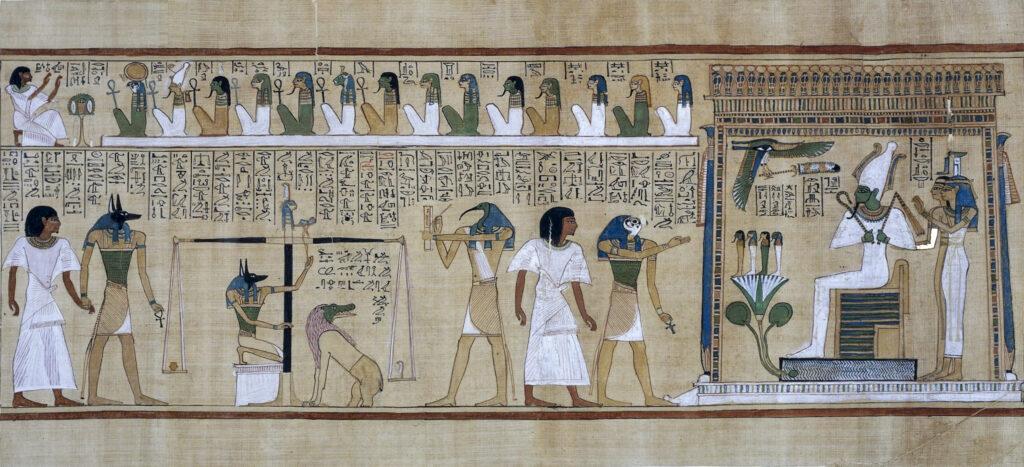
In the several funerary texts of the New Kingdom the spirits of the dead must traverse series of caves, caverns, gates, and divinities to reach the House of Osiris, then pass through judgment to be balanced in 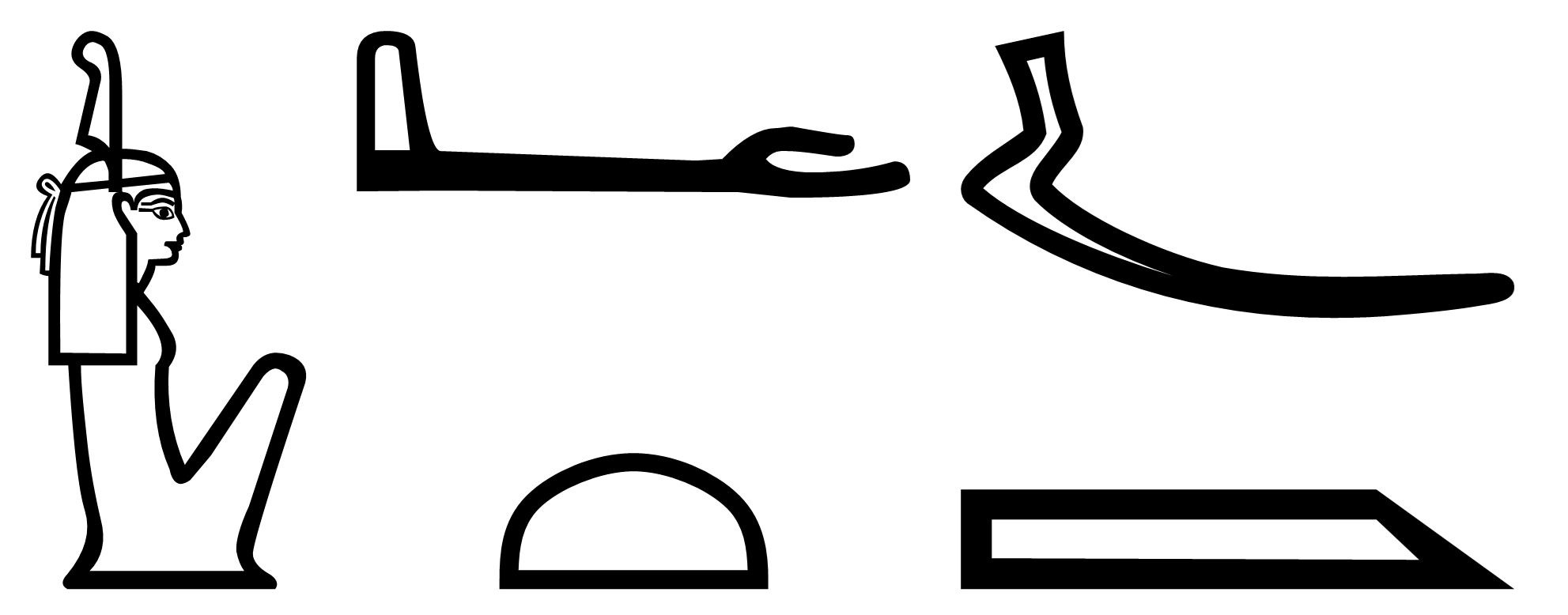 mAat – rightness and pure of spirit.
Herodotus speaks of the mortuary temple of Amenemhat II physical representation of the House of Osiris in the dwAt – netherworld. The plan of his house includes a maze representing the journey the dead must take to reach judgement and specialized halls for the purification and consecration of the dead to be presented to the 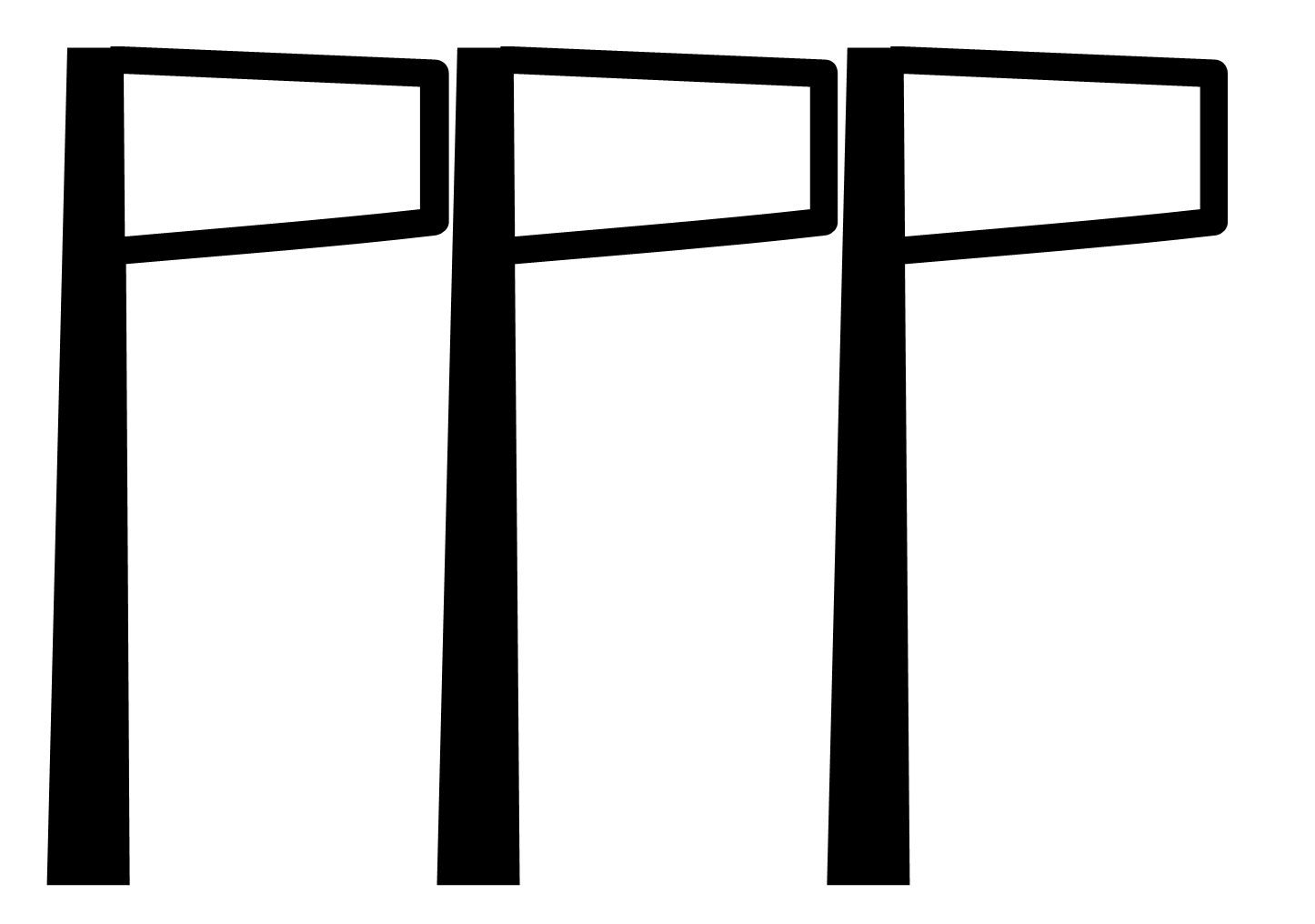 nTrw deities.
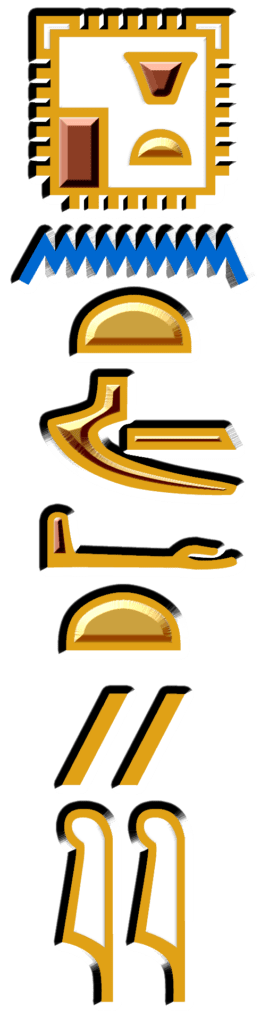
Hall of mAaty
Beginning with the reign of Merenptah in the New Kingdom 19th dynasty, inscriptions detailing the  wsxt nt mAaty – Hall of Two Truths appeared in royal tombs. Known today as Spell 125 of the Book of the Dead, this utterance in the
  rw nw prt m hrw – Utterances of Going Forth in the Day depicts the kA – spirit of the deceased entering the hall and facing the forty-two deities of the districts of ancient Egypt, declaring that they adhere to the principles of purity and mAat. They then are led to balance their heart against mAat, and if balanced, they are led by
 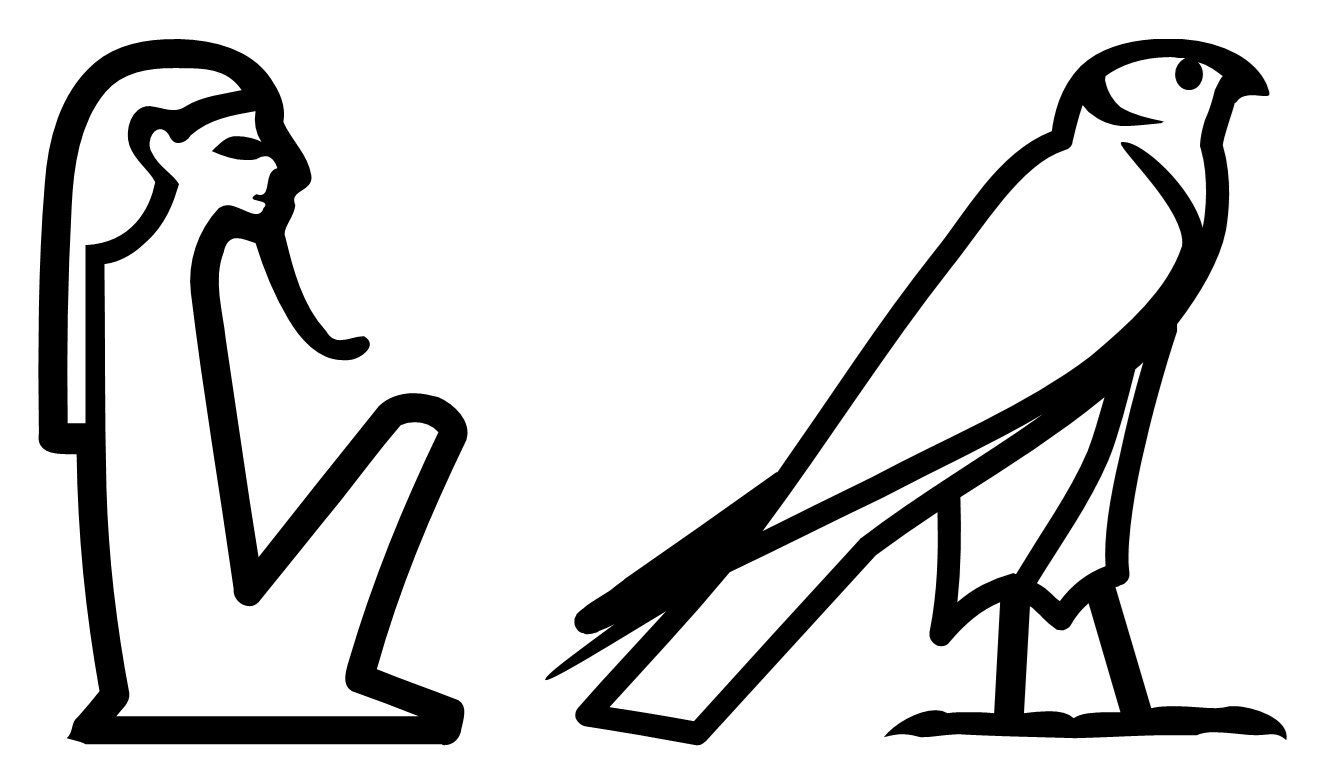 Hr – Horus to his father Asir who defends their status as justified, true of voice, and thus attaining the level of purity to live on in the dwAt until the end of eternity.

Rank
and Vocation
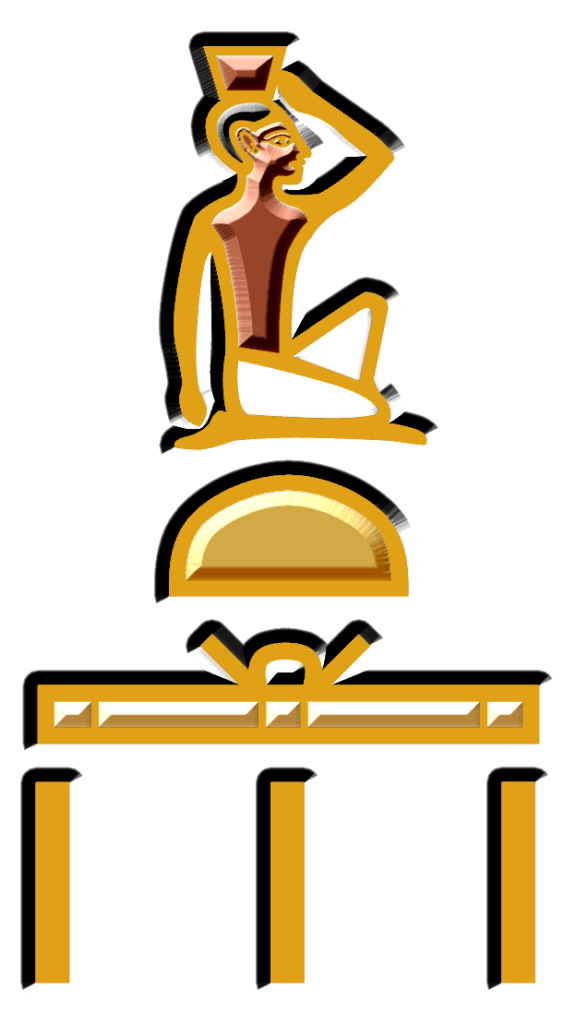
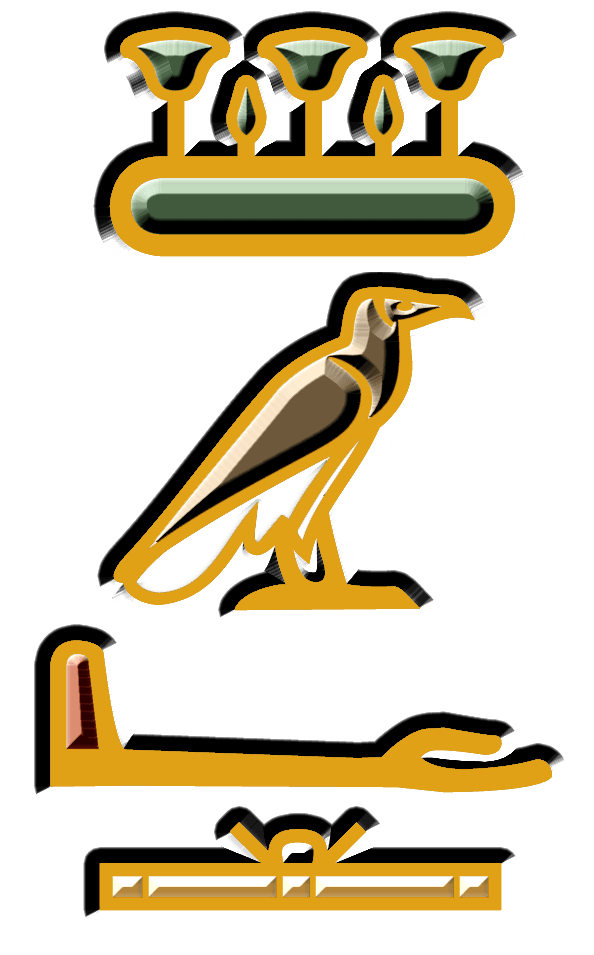
The wab is both the initiatory rank and vocation of the wnwt– temple workers. The wab is a temporary worker, carrying out work in a three-month period, returning home to their usual vocation. Only the highest ranked and most educated 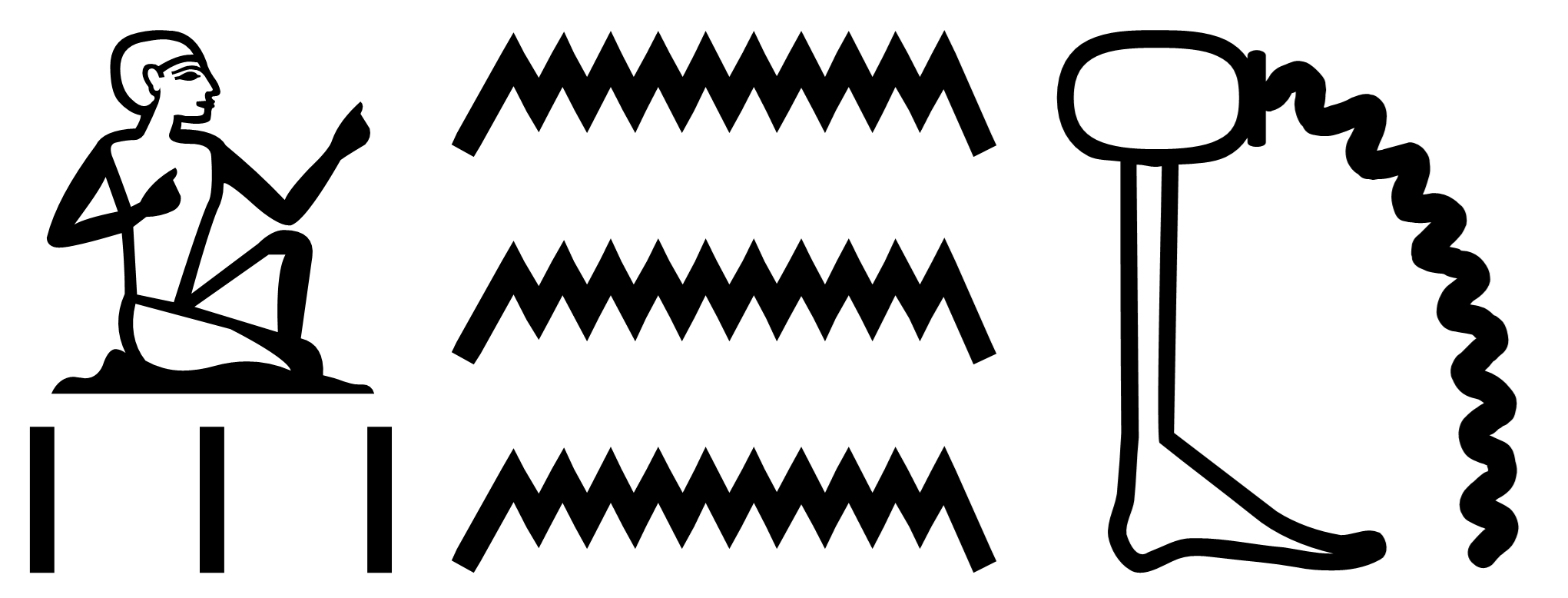 wabw will work in a temple year-round, and only if necessary for the administration of the temple in which they work.
Origins
The 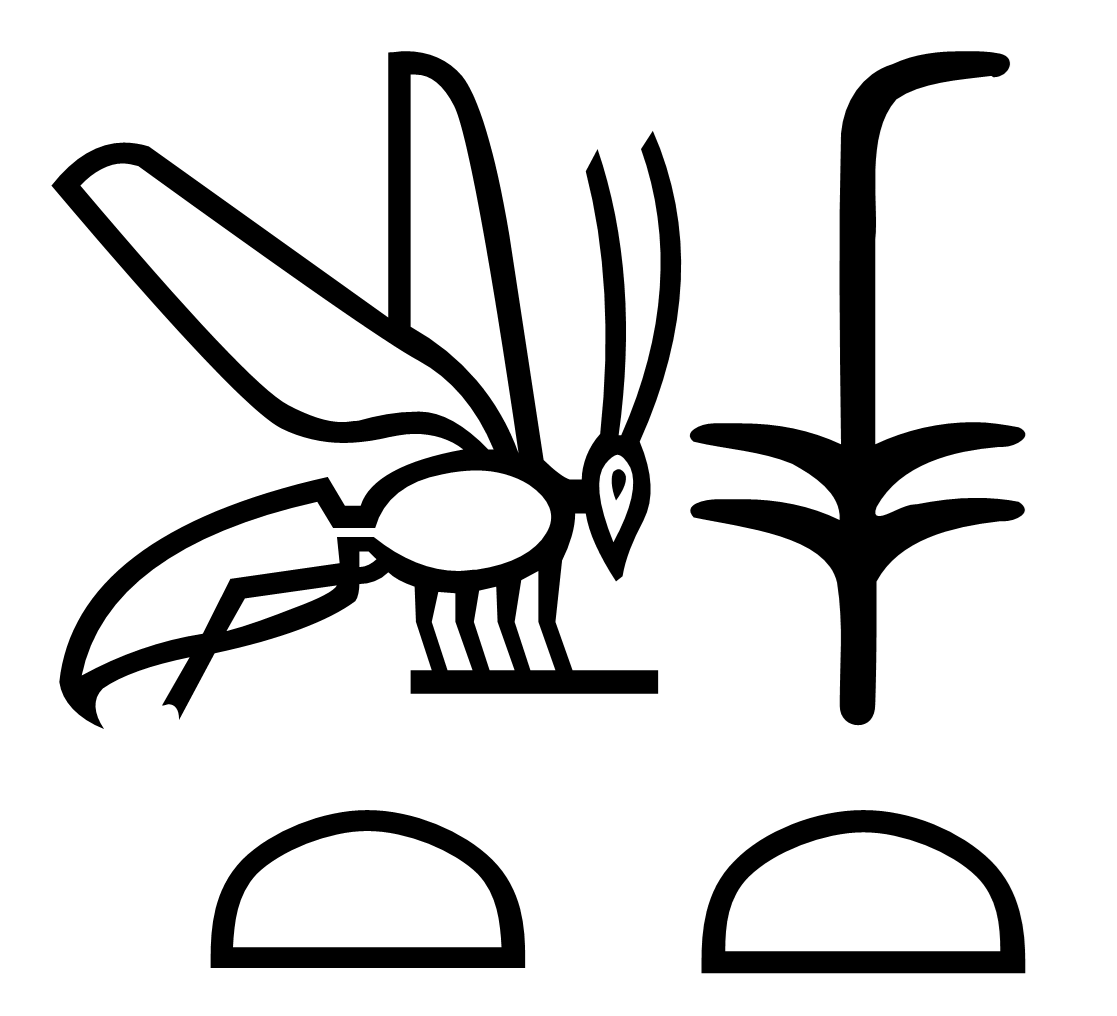 nswt-bity – He of Sedge and Bee or
  pr-aA Pharaoh first delegated his duties to
  swab – purify and to establish
  Hwtw nTrw – Houses of the gods. wabw were selected from the rmT – ancient Egyptians to learn the ways of wab – purity to assist the nswt–bity in his requirements to bring mAat to the nTrw.
Examples
Perhaps the most obvious examples of wabw are the 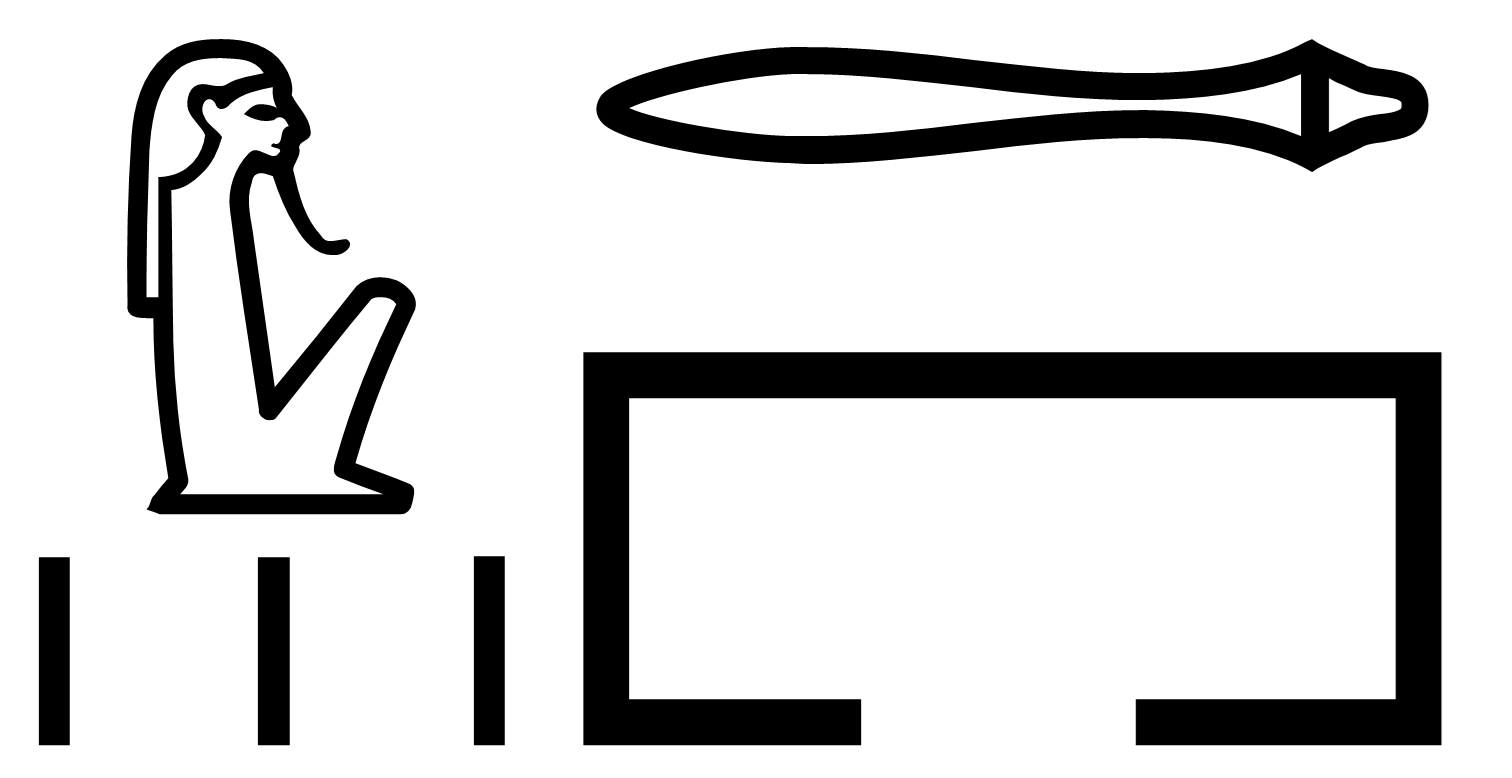 pr-aAw – Pharaohs themselves performing rituals of purification for the nTrw – deities.
Every single person of the temple performed their services in their one month on, three months off cycle as wabw. These performances were such a great honor they were included in their tombs and funerary texts. One such wab was 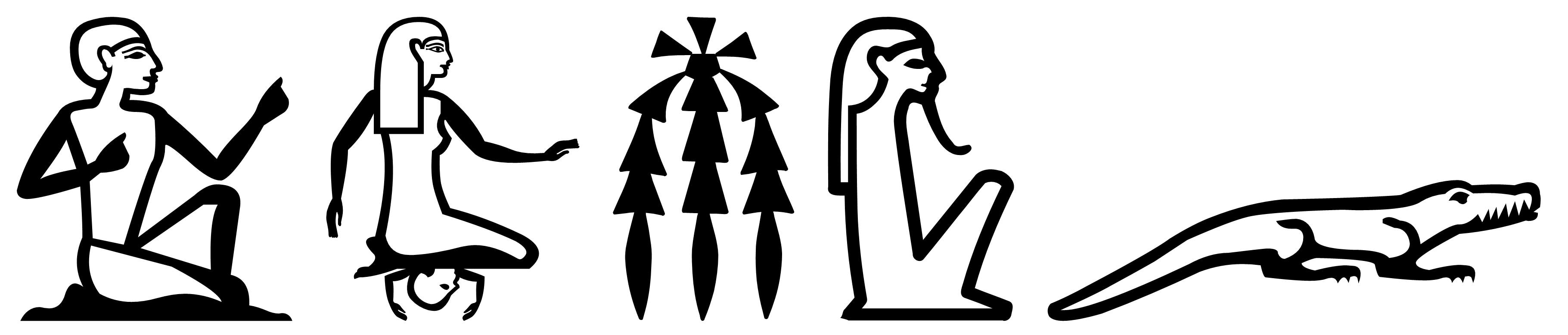 sbk-ms – or Sobekmose, who declared in his funerary utterances of the rw nw prt m hrw – Utterances of Going Forth in the Day: I am a wab in Heliopolis, an exalted one in the high place.
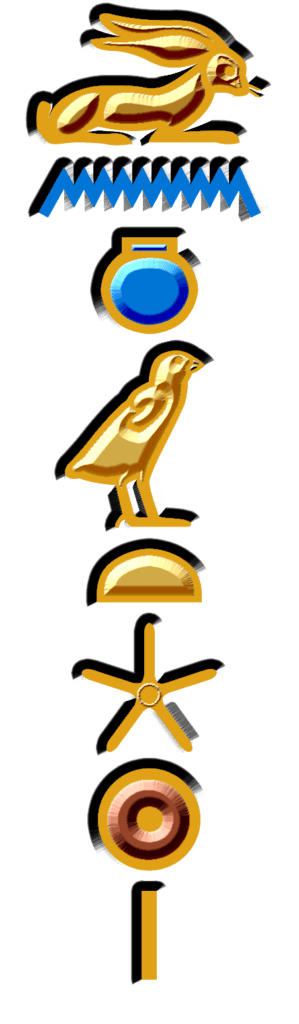
Duties
wabw -pure ones are trained in the use of wab – pure substances. Objects such as  inr – stone,
  Say – sand,
 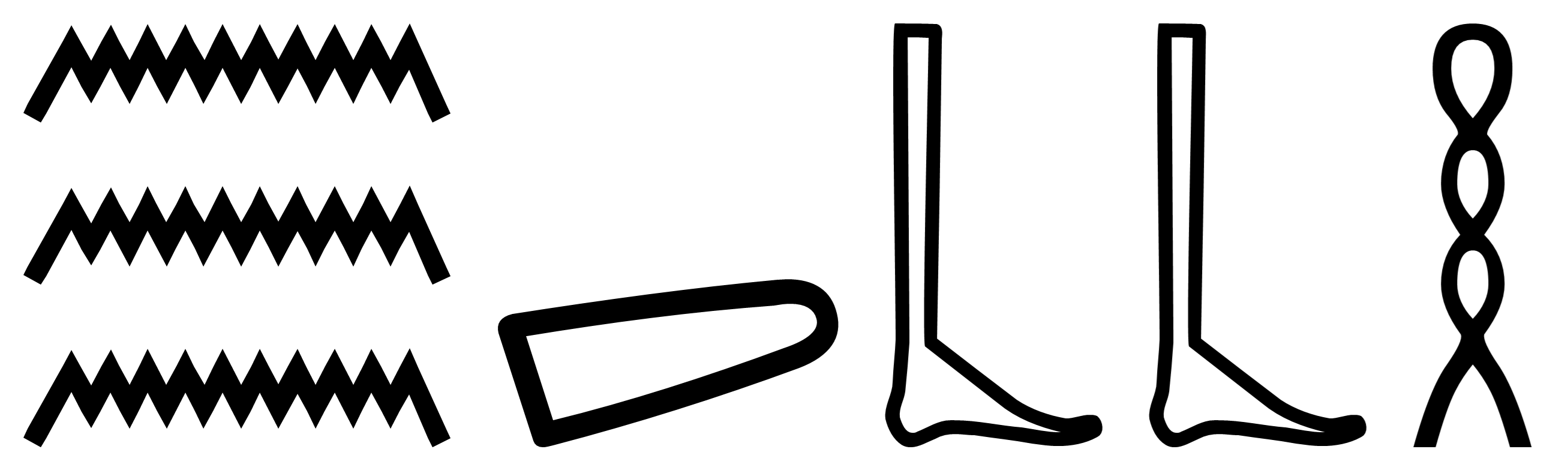 Hbbt – water,
  sDt -fire,
  kAp – incense burning, and
  bd – natron were
  rx – known to the rmT – Egyptians as swab – purifying. Each of these substances have different qualities which were named accordingly and were used in specific quantities for specific forms of wab – purity. Additionally, wabw – pure ones were trained in certain concepts, like
  iwn – color,
  sTy – smell,
  siA – divine thought,
  Hw – authoritative utterance, and symbol also had powers of wab – purity. wabw – pure ones were required to bathe in
 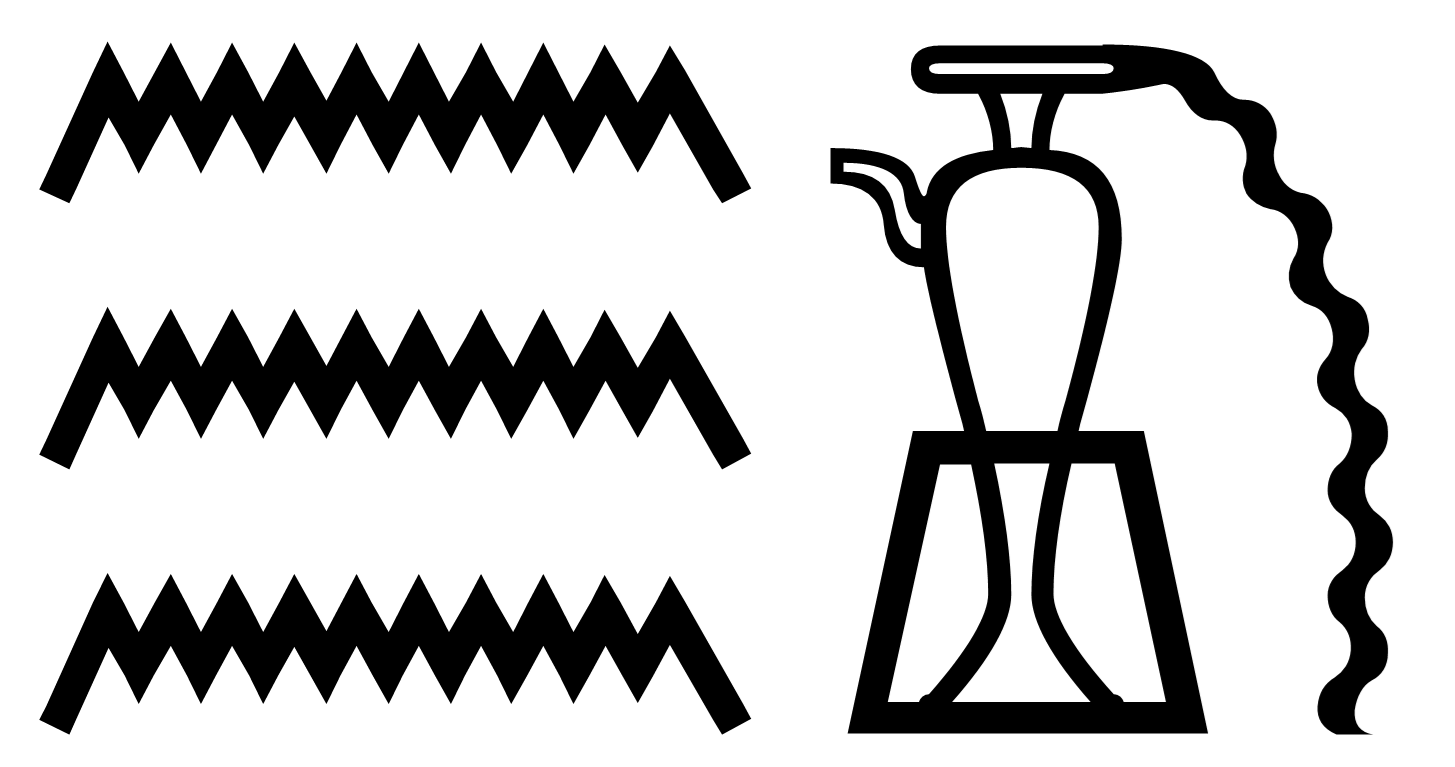 qbbwt – cold purified water twice every day and twice every night, according to Greek historian Herodotus, and shaved all body hair every other day, “guarding against lice and anything else equally unpleasant, while performing their religious duties.” Another mark of purity for wabw – pure ones was male circumcision, which was a distinguishing feature for the wnwt – temple workers during the reign of Roman emperor Hadrian. Ritual wab – purity also required an abstention from sex in the temple and during some sacred festivals, and one must be bathed and purified after intercourse before entering any sacred temple space. This distinction was considered a clear delineation between people and animals, for rmT – ancient Egyptians would never copulate in temples or sacred spaces.
Clothing
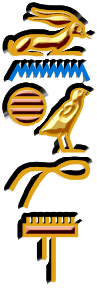
wabw – pure ones wore the  wabw – pure robe. This took different forms depending on era or vocation within the wnwt. The wabw – pure robe was always made from the purest white flax linen.
  mnxt– cloth was a highly prized commodity in ancient Egypt. Cloth in ancient Egypt was made from flax called
  mHy, which was grown on the flood plains of the Nile during the three months of
  prt – procession. In the following three months of
  Smw – Low Water, the mHy was painstakingly pulled from the ground, then bundled to be dried in the heat of Smw when the natural bleaching would occur. Higher quality flax would bleach perfectly white, which became the mnxt used as wabw.