

The 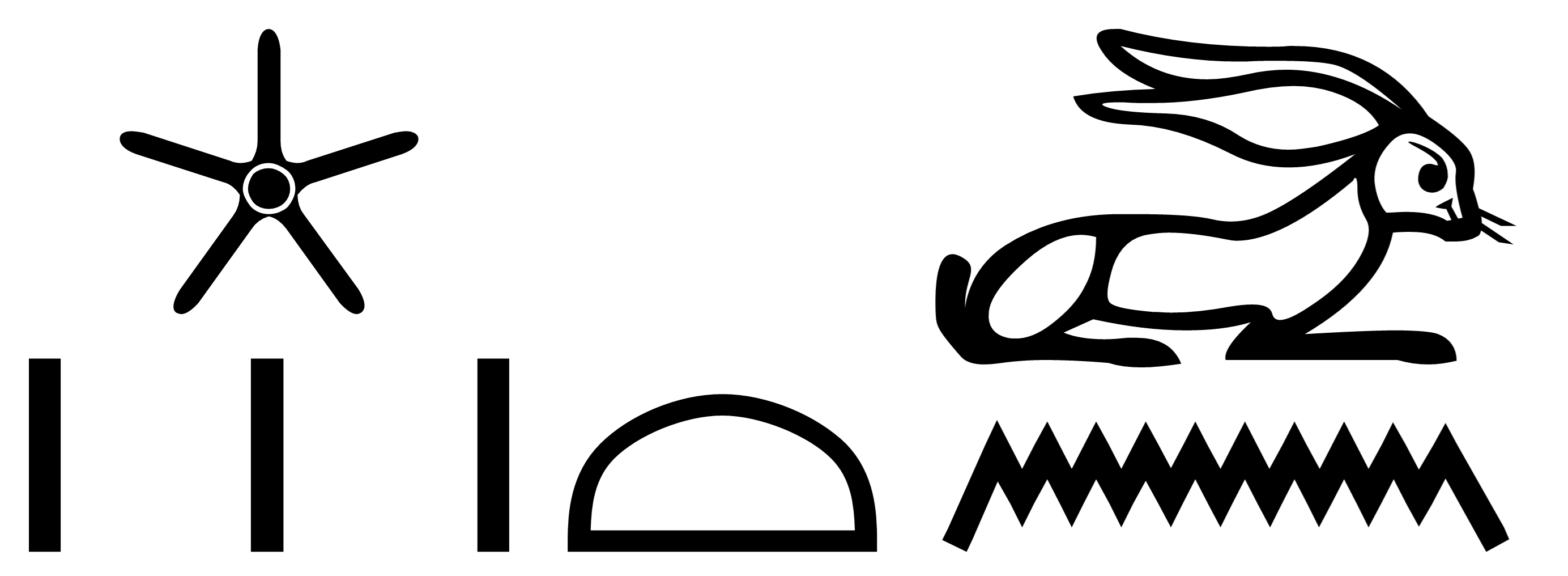 wnwt were the temple workers. In an ancient Egyptian temple, all workers, from the gardener and custodian to the cantors, musicians, and dancers, all up to the overseer of the ritual book, servant of the god, and First Prophet, are all part of the wnwt. Calling them priests is a convenience, as they are in service to the temple gods, but the word does not define any duty an ancient Egyptian had in the temple. A priest is commonly known today as a holy person of the cloth who gives sermons, counsels their congregation, and takes confessions in a modern church. The word priest comes from the Greek presbuteros, meaning “old man” or “elder.” However, the wnwt was a part-time, three-month rotational workforce that lived and worked in the regions of the temple where they were called into service.
The wnwt was responsible for the administration of an ancient Egyptian temple, which had the sole purpose of being home to the 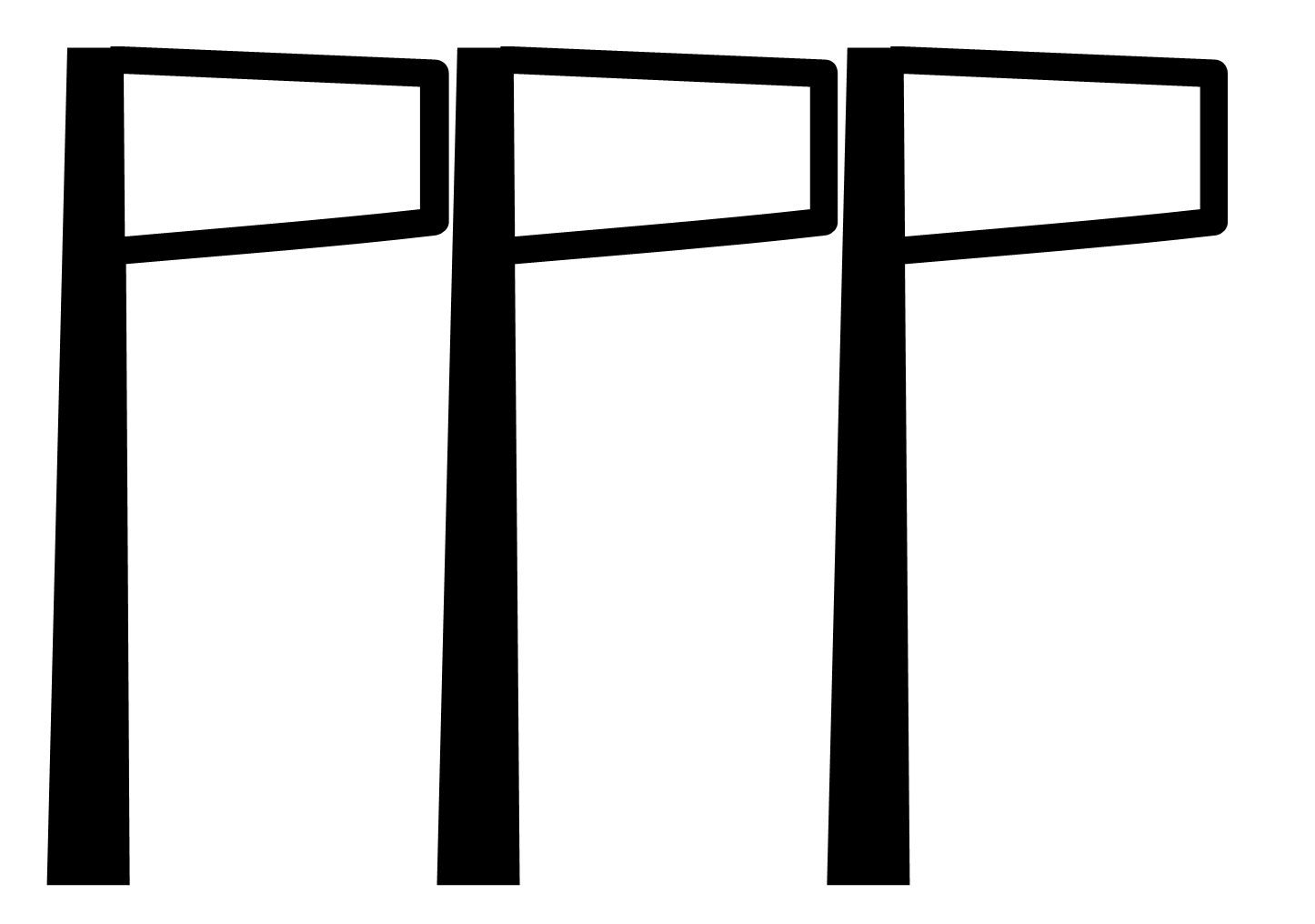 nTrw, the ancient Egyptian deities.
SnDt – Definition
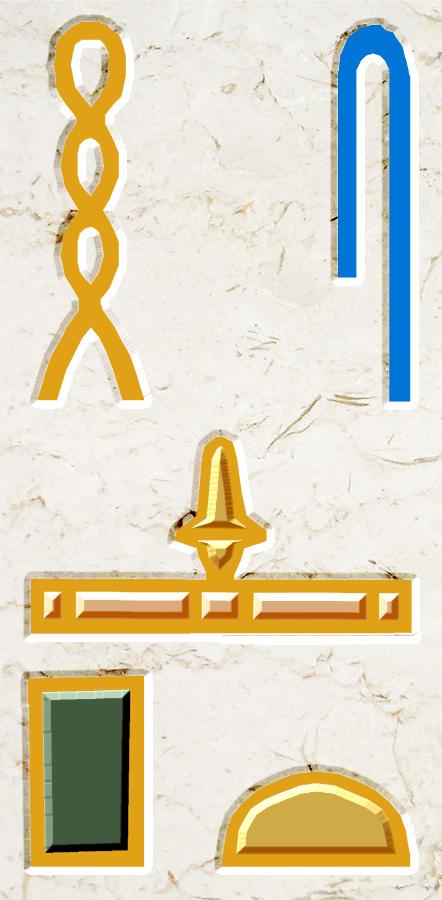
wnwt is made of three parts:
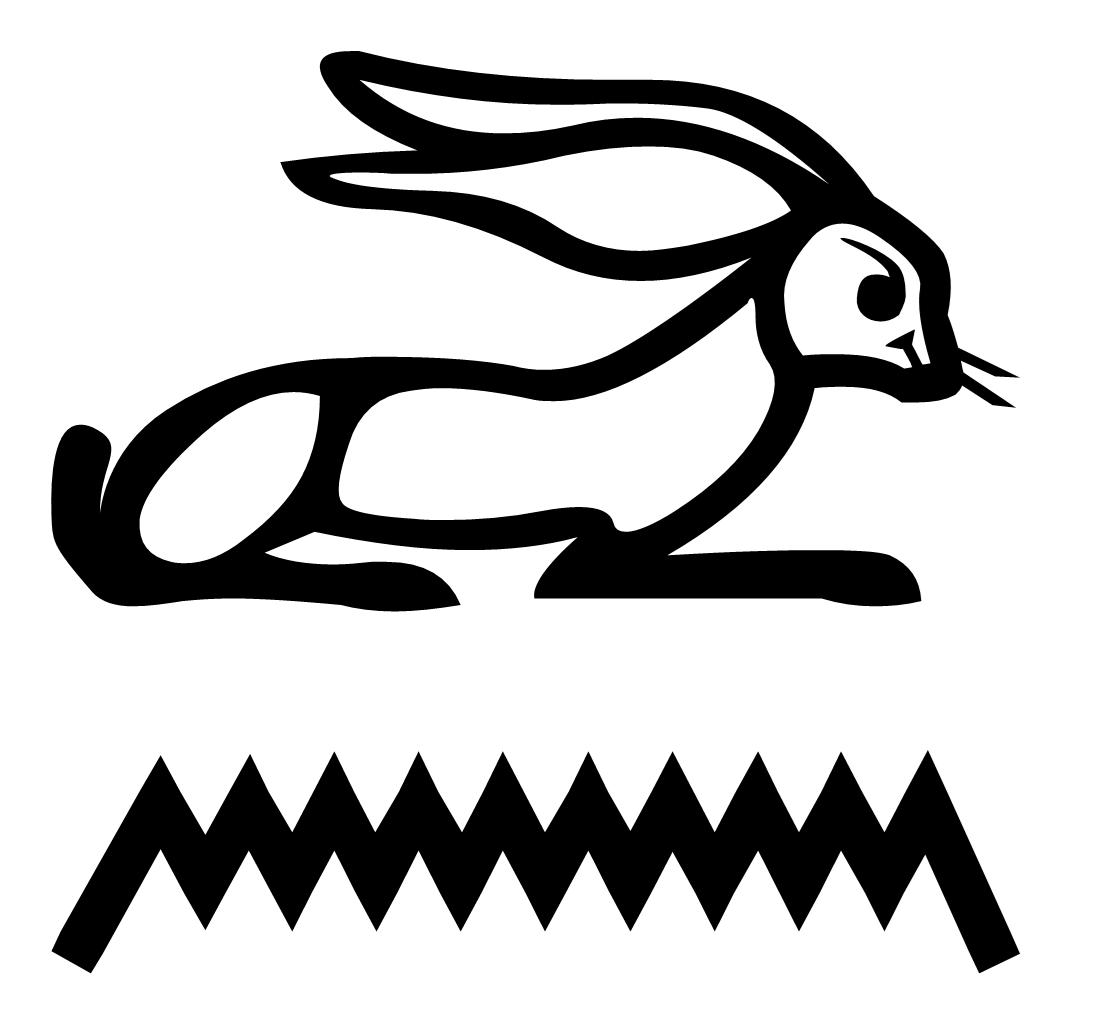 wn
wn  nt
nt  w
w
Morphological analysis reveals a relationship wn with:
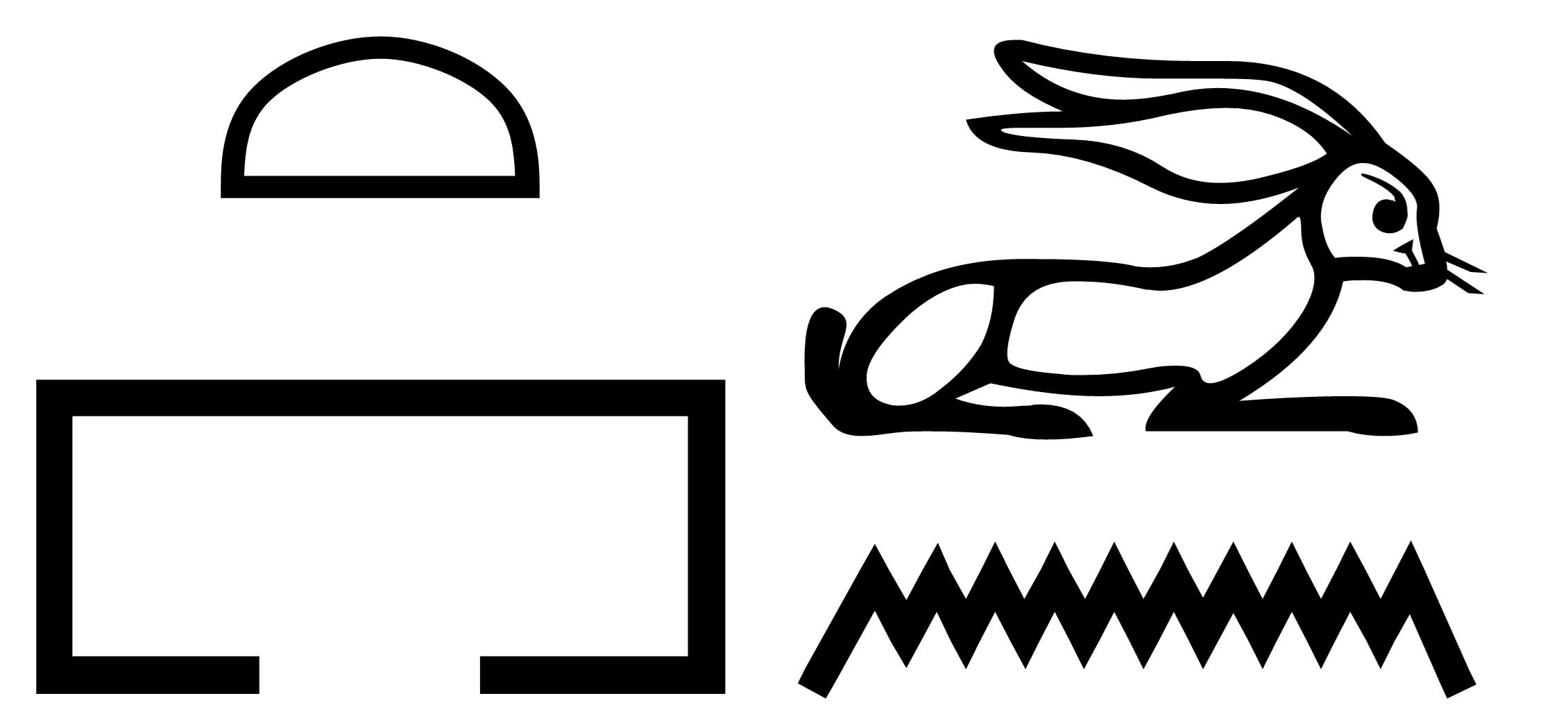 wnt sanctuary (of temple)
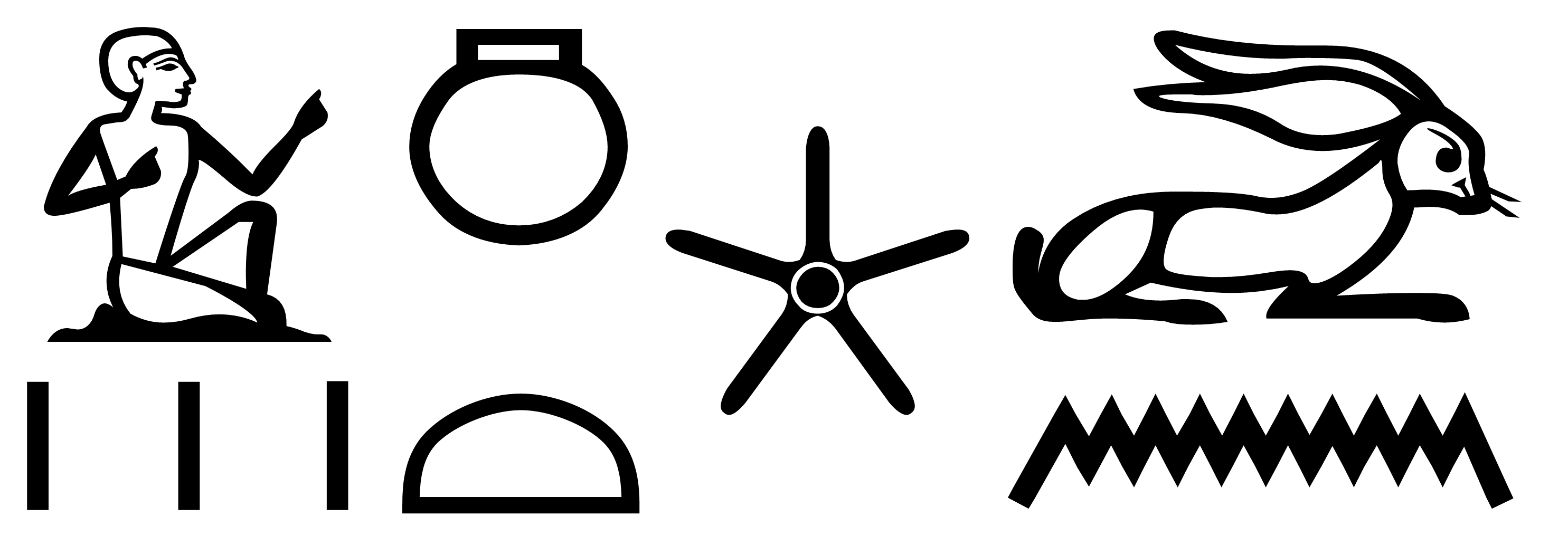 wnwt staff (of workers)
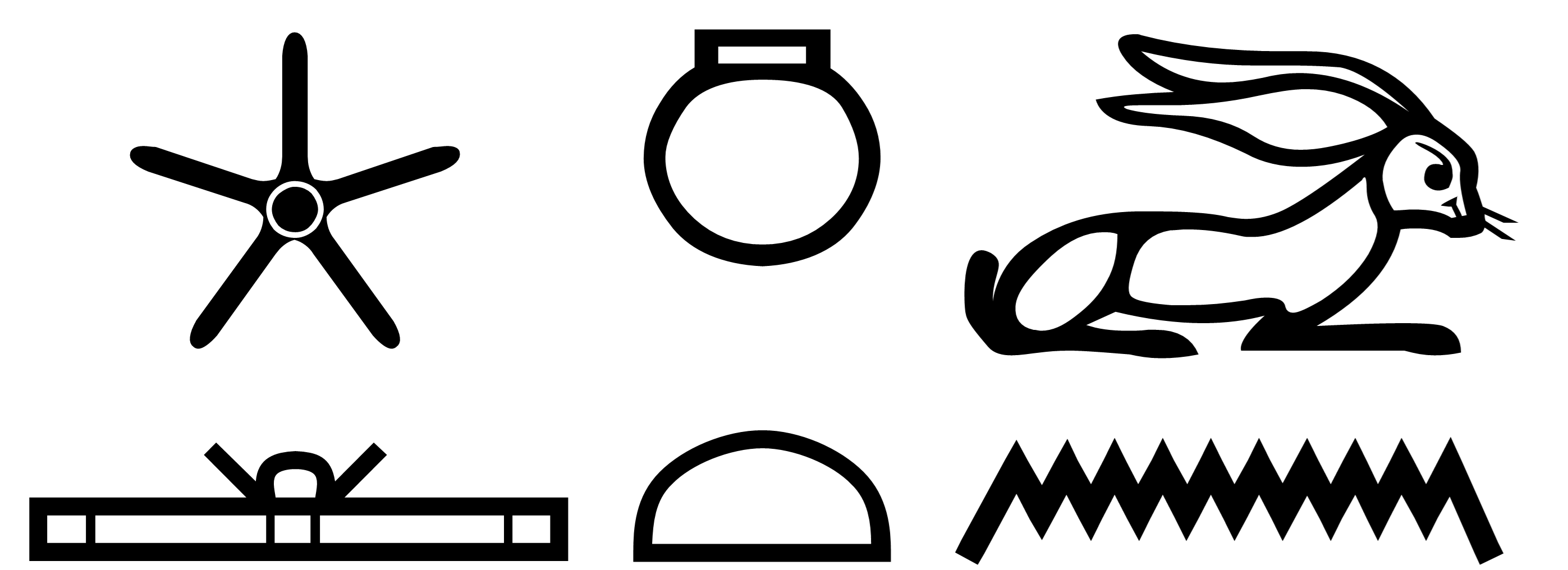 wnwt duty, service
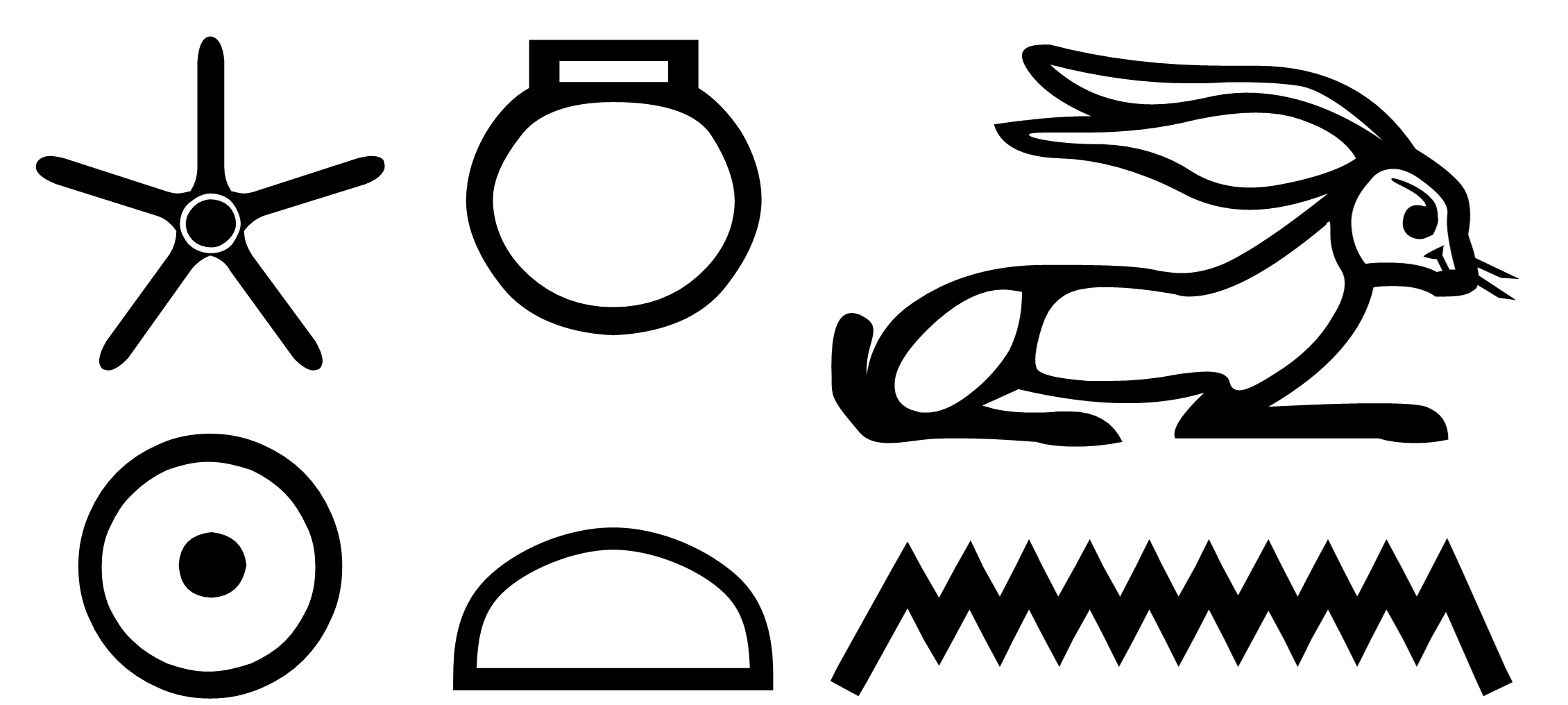 wnwt Hour
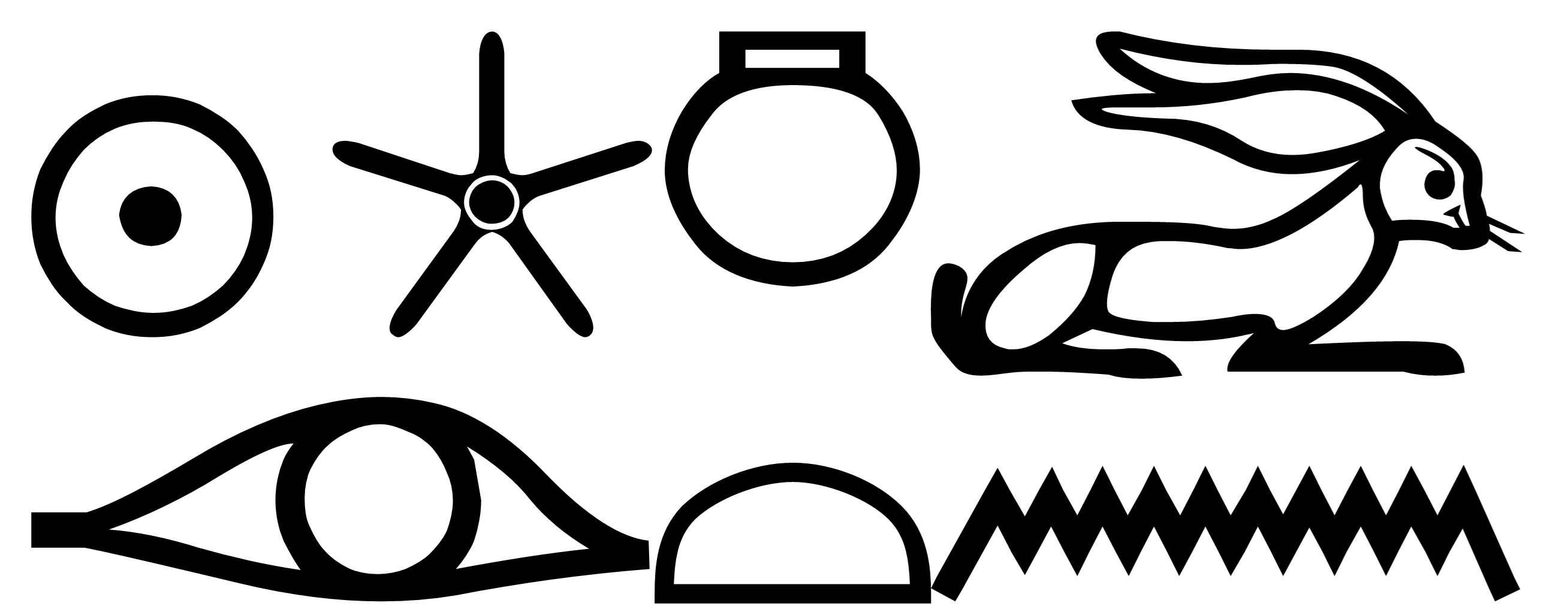 wnwty Hour watcher, astronomer
 nt has two relational words:
nt belonging to
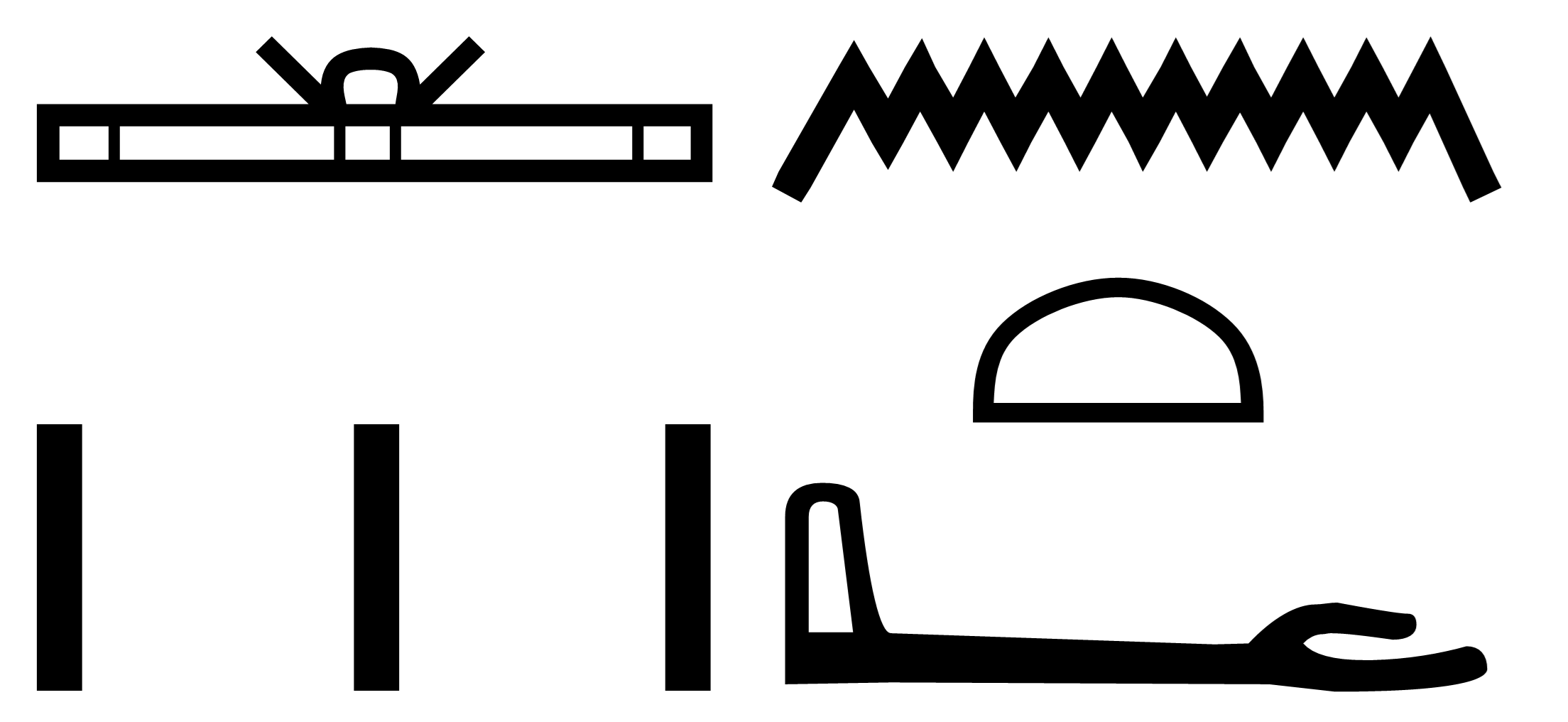 nt a – rite, ritual
w is a suffix plurality. Taken literally, the word wnwt would mean – service of the sanctuary temple.
The star  within the word wnwt is significant. In addition to its use in a celestial context, it is utilized in several relevant words.
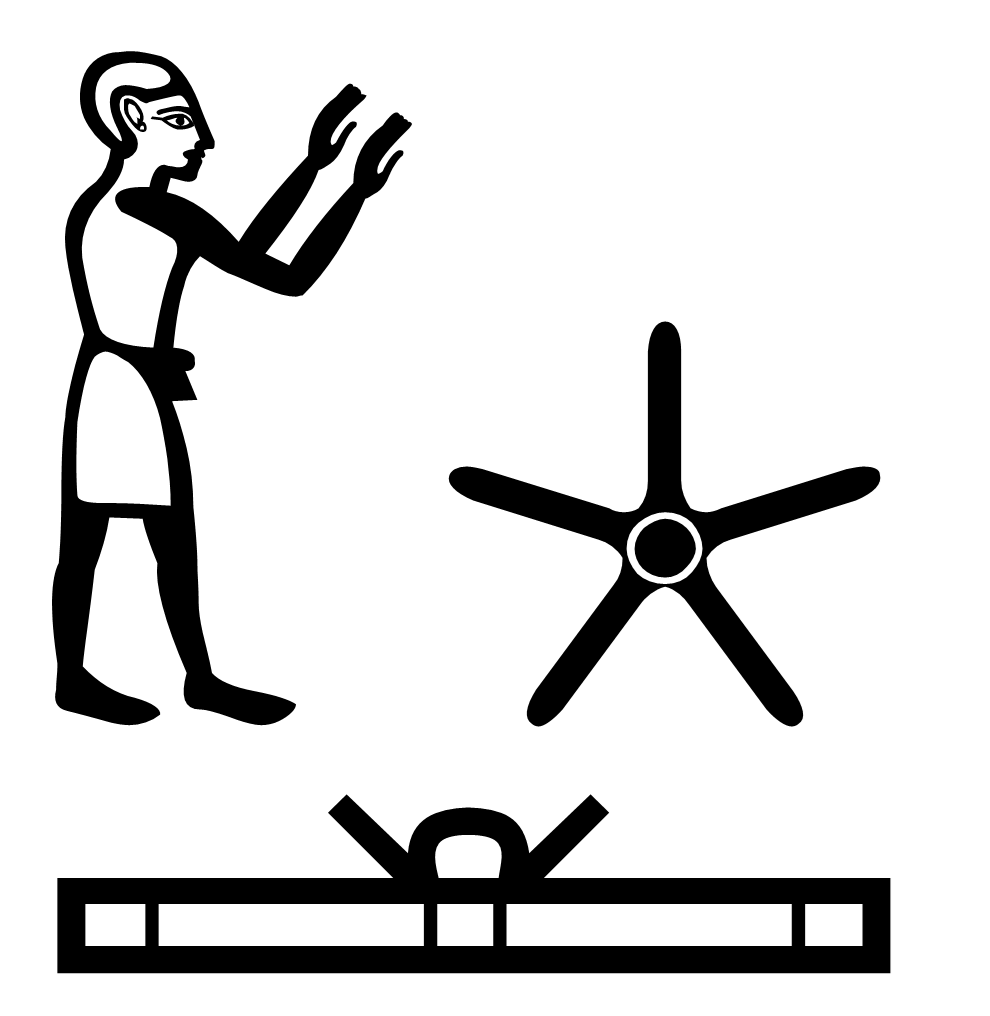 dwA praise, worship
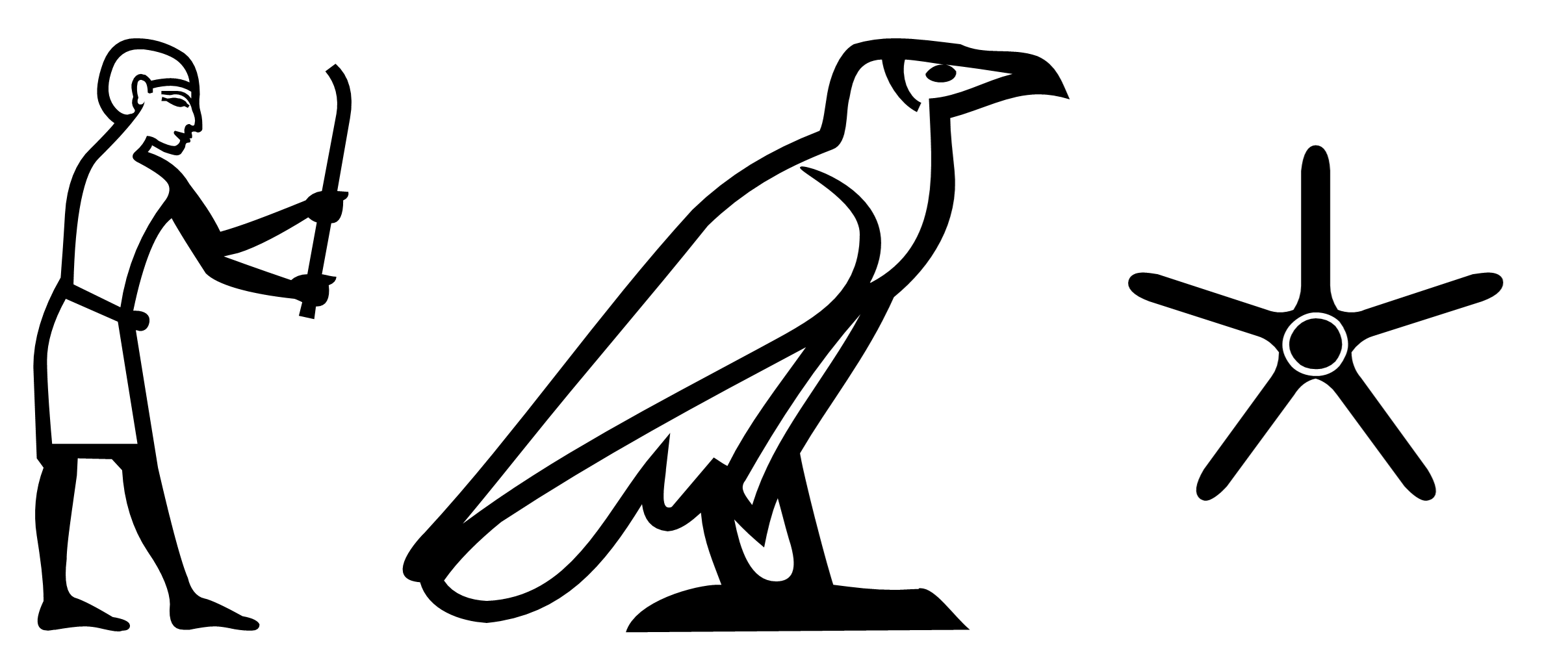 sbA teach, teaching
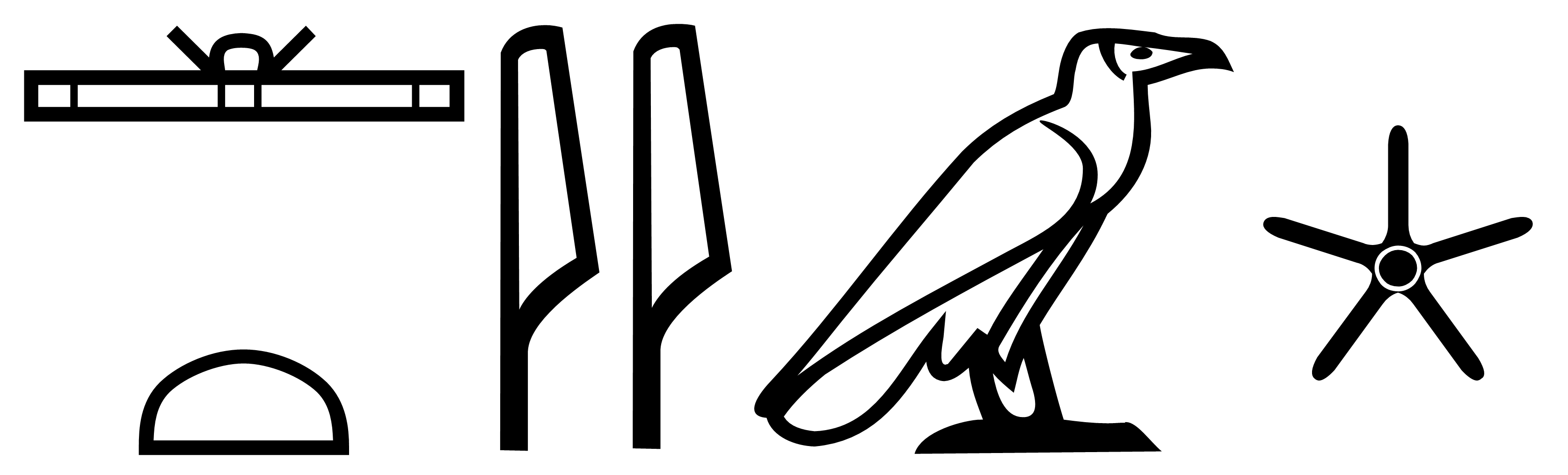 sbAyt – (written) instructions, teaching
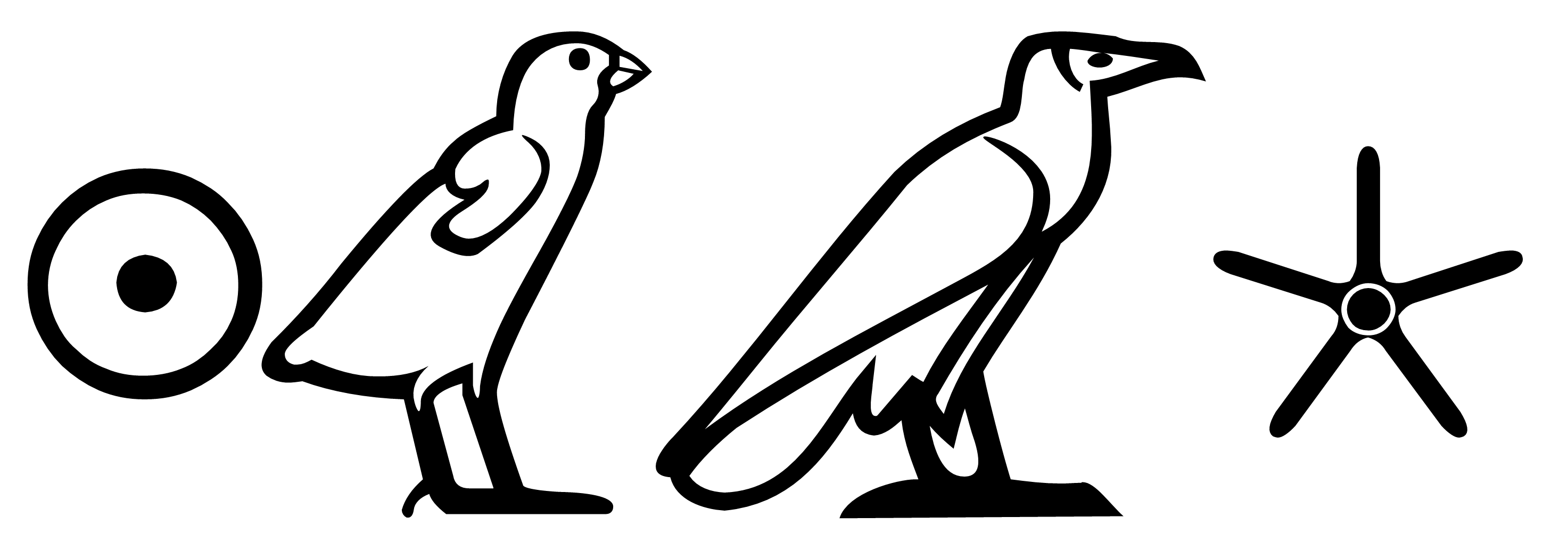 dwAw dawn, morning, tomorrow
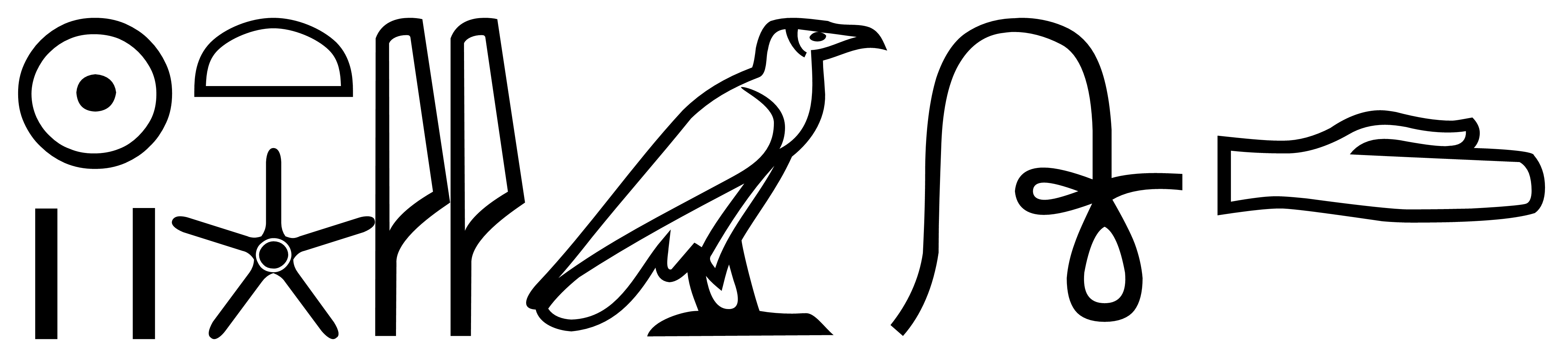 dwAyt morning
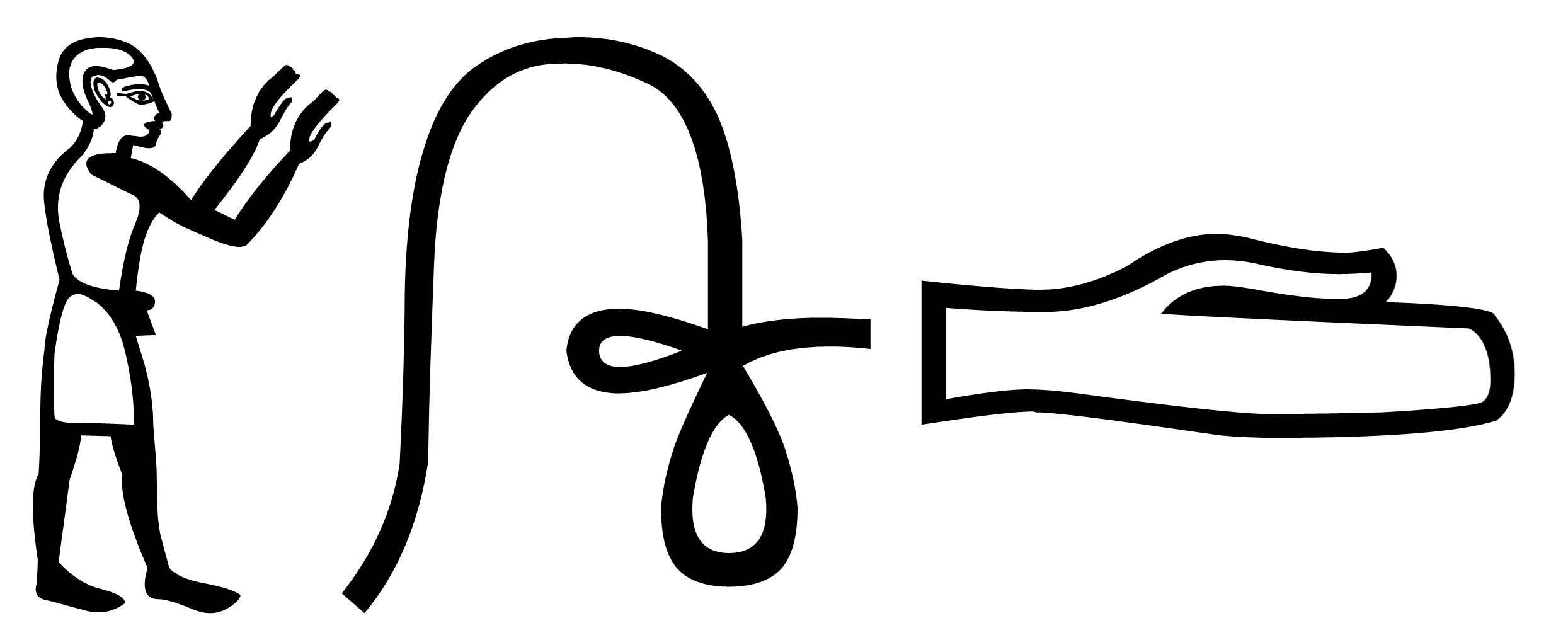 dwA rise early
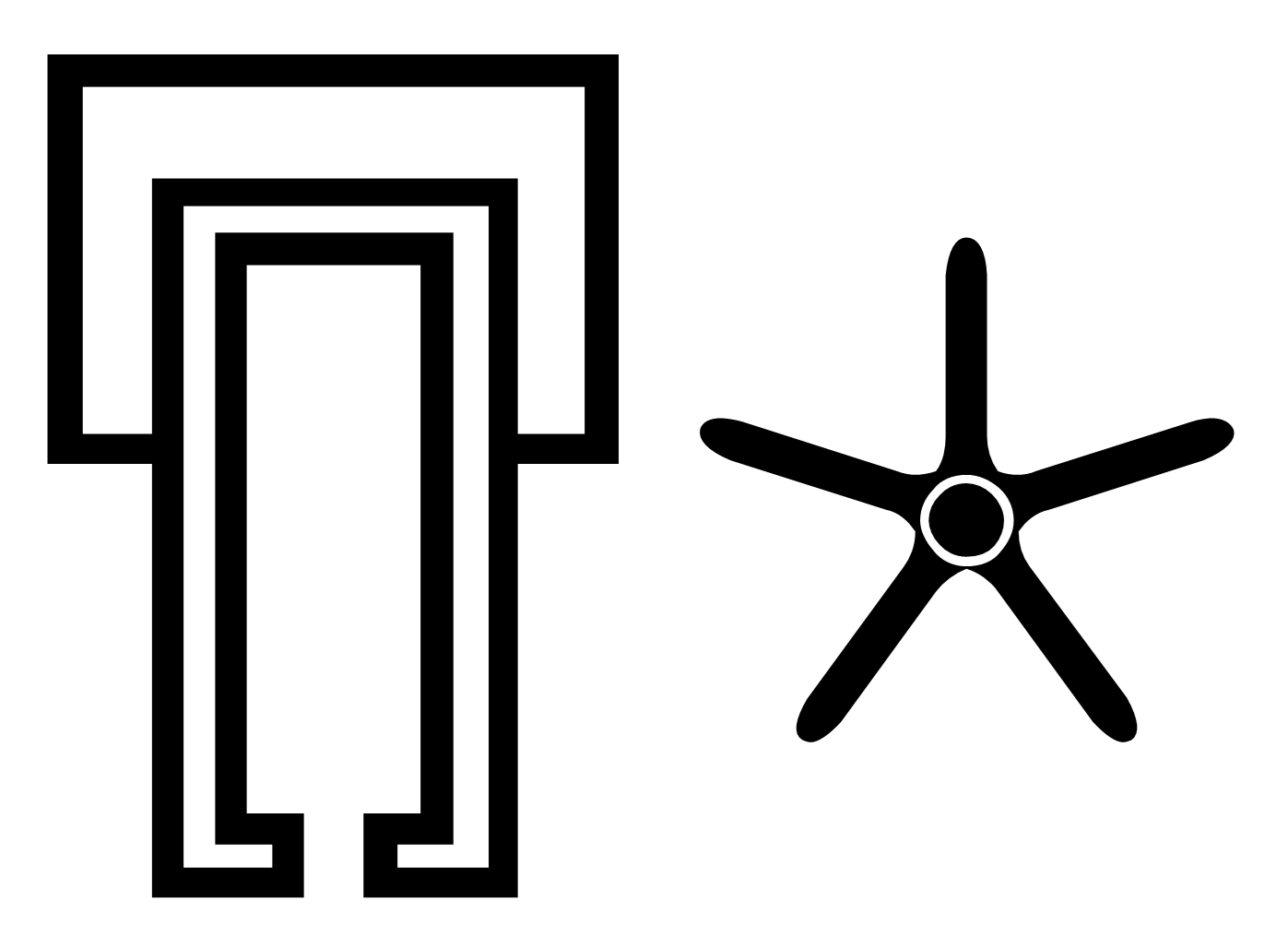 sbA door
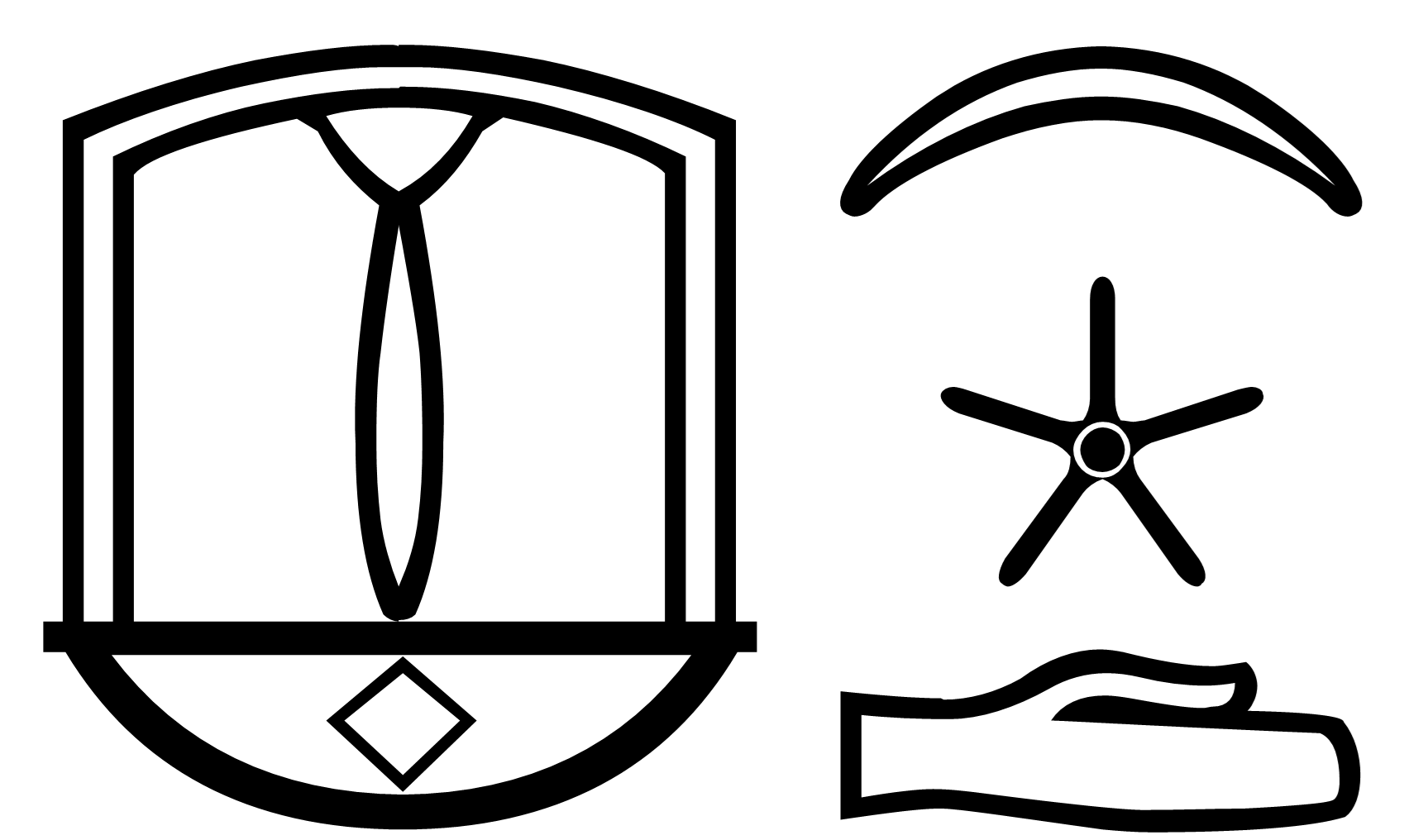 Abd full moon festival
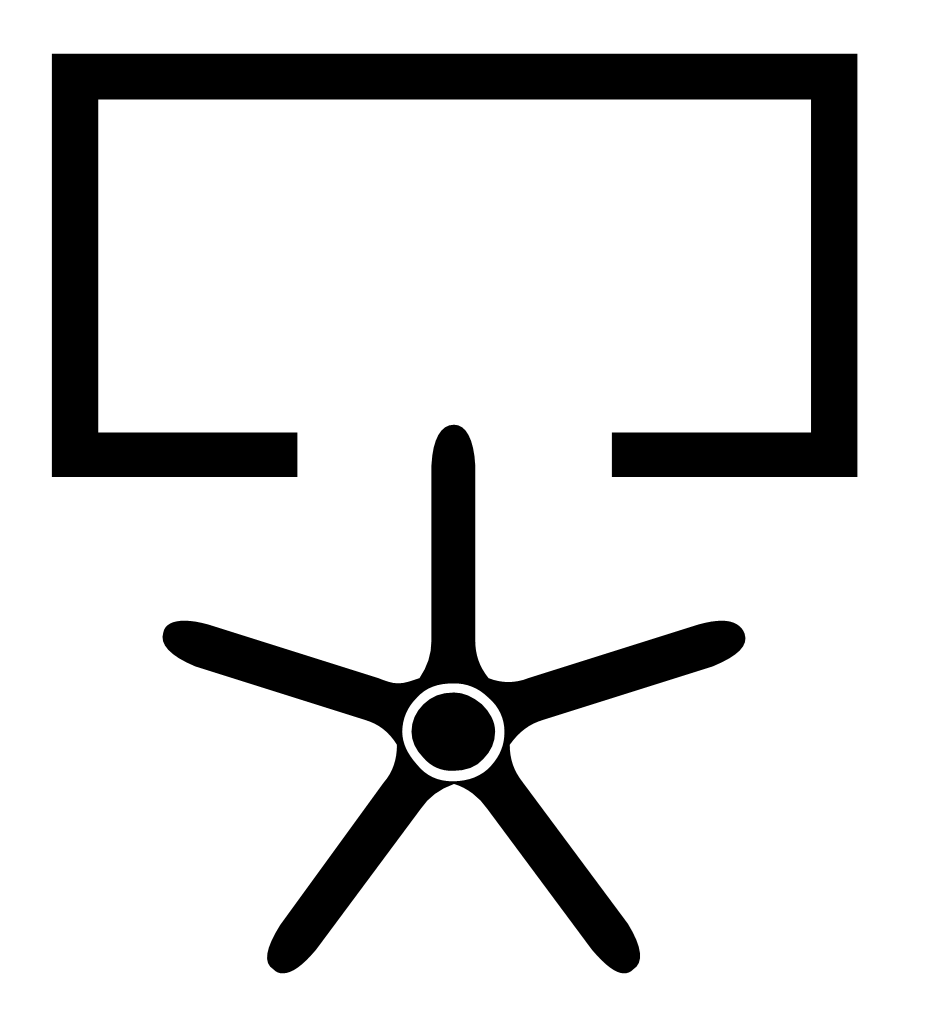 pr dwAt House of the morning
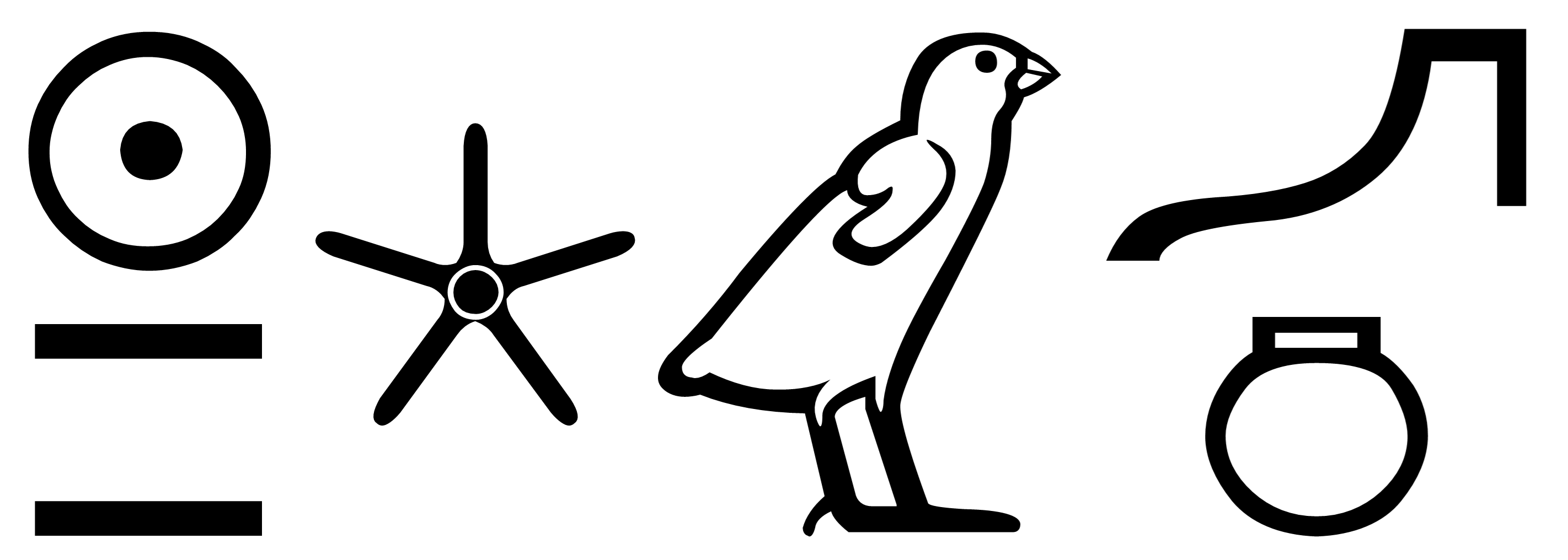 nw – time
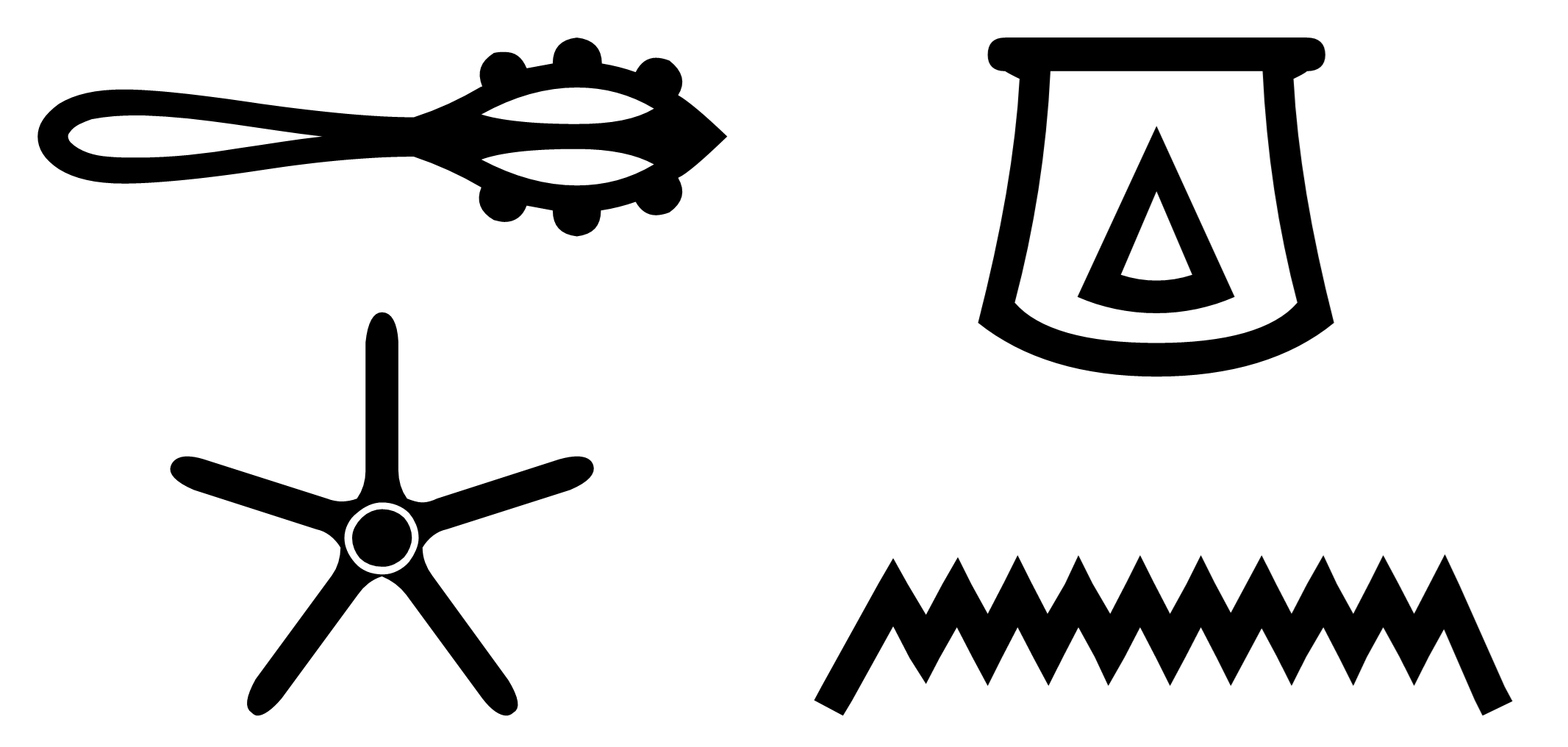 gnX – serve (someone)
These words are all part of the necessary duties that are fulfilled by the wnwt.
sAa – Origins
Myth tells of a time when there was no division between the land where  rmT the ancient Egyptians and the
  nTrw lived. rmT and deities were separated, and from then until the end of time the nTrw live in the
  dwAt netherworld, a place of purity and perfection.
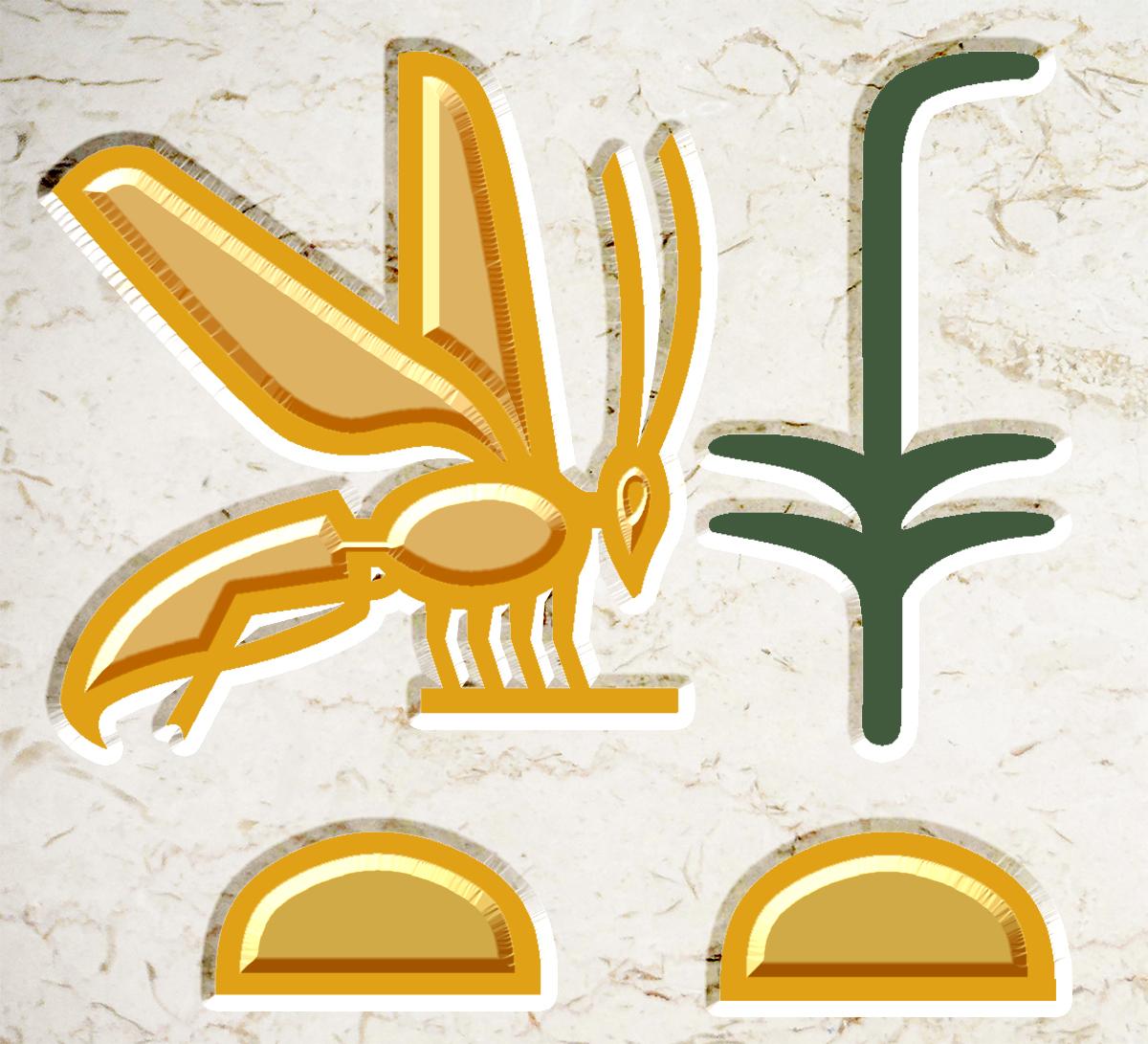
nswt-bity – Pharaoh
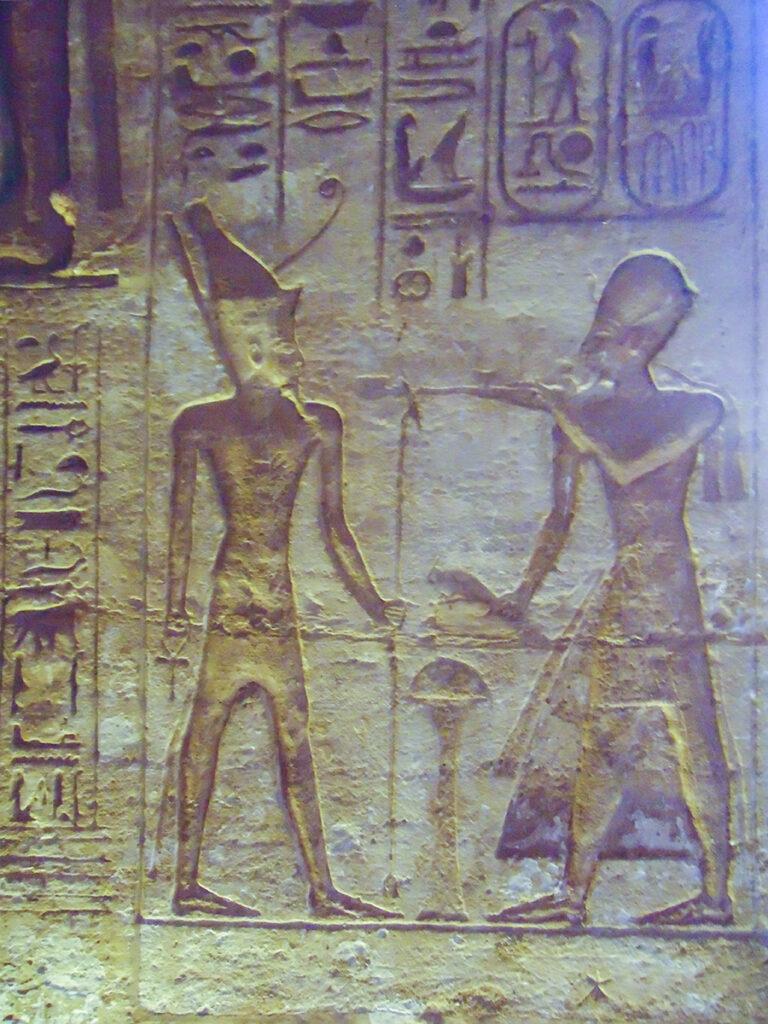
Being both of the rmT and  nTr, the
 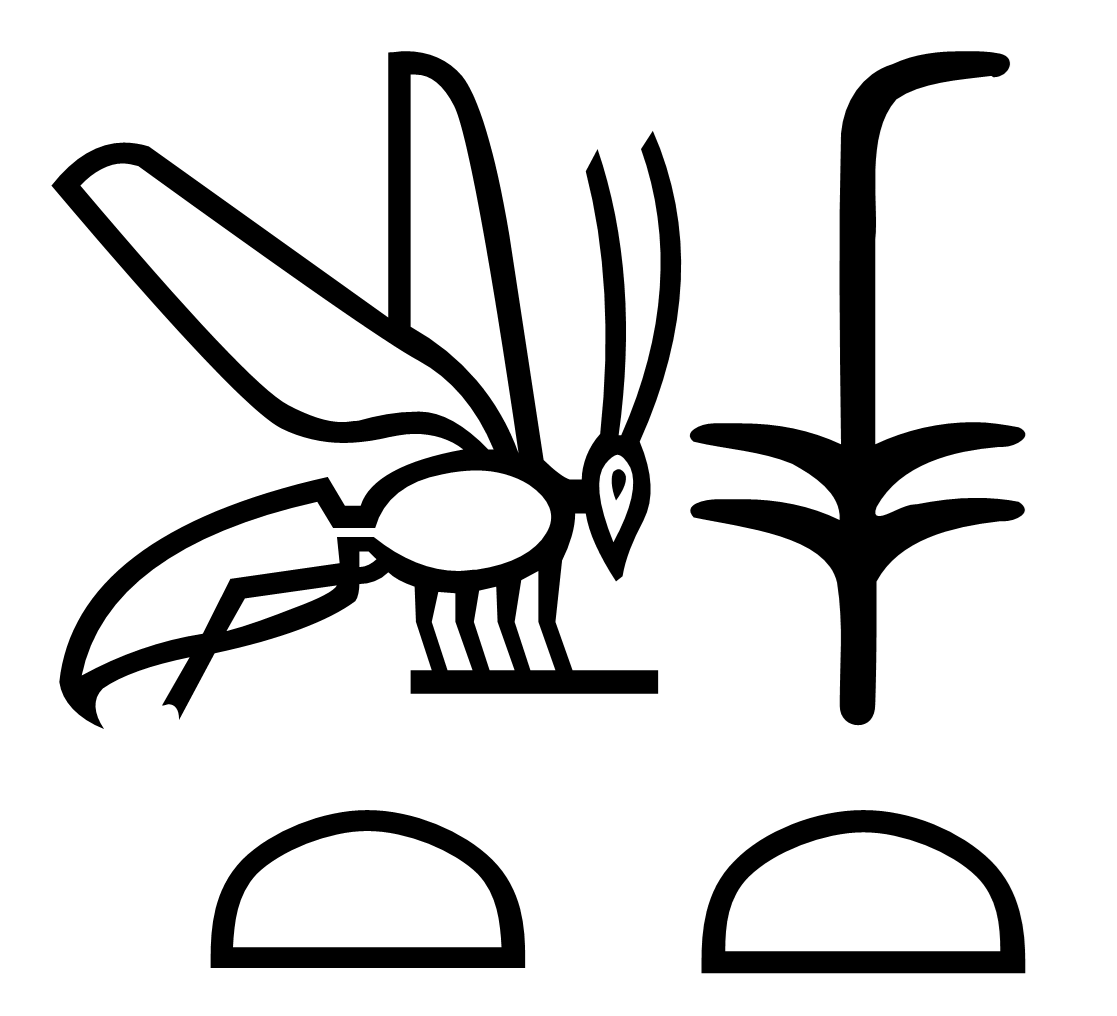 nswt-bity – He of Sedge and Bee – gives the
 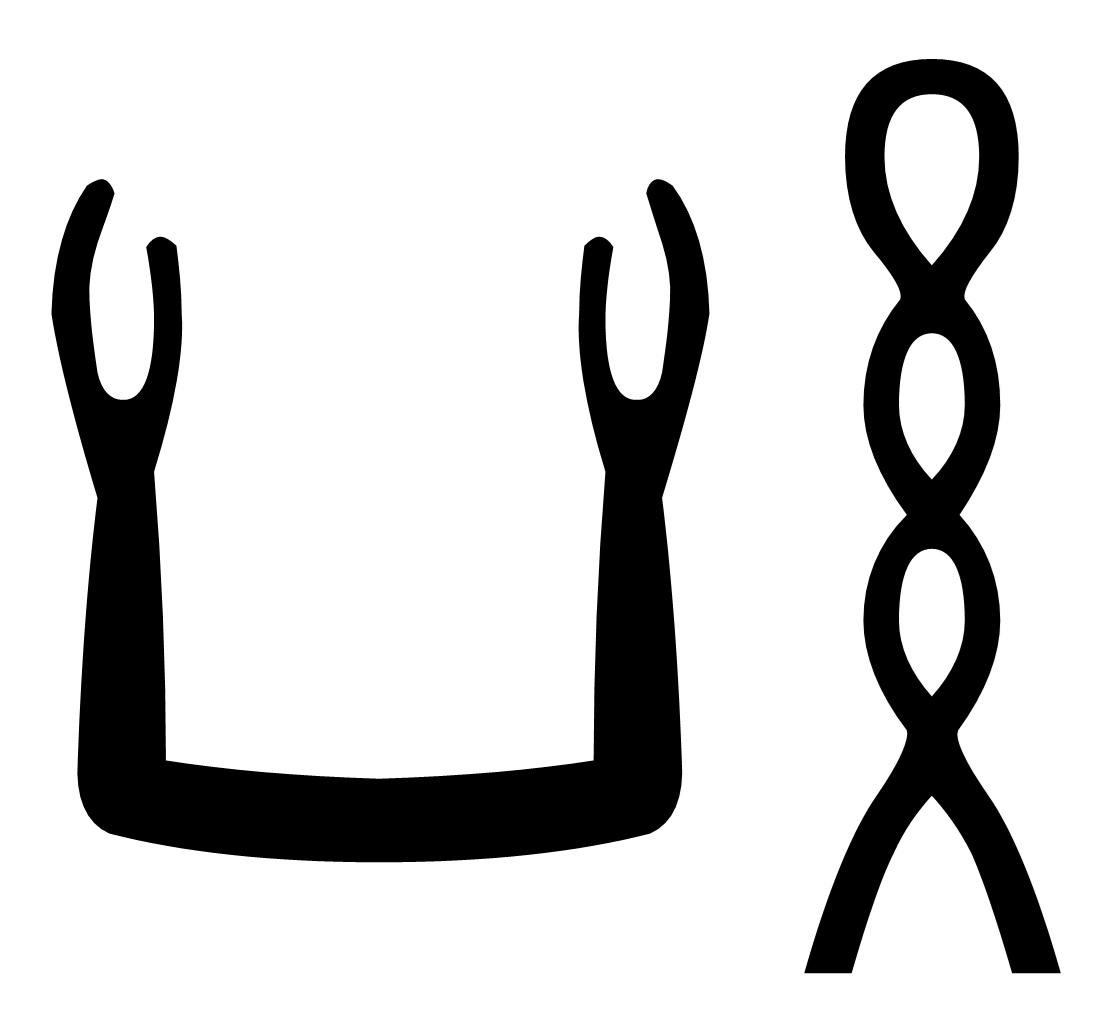 HkAw magic power through ritual to create pure space for which the nTrw can live, speak, breathe, eat, and drink in the seen world. The power to bring the nTrw into the seen world the nswt-bity delegated to the wnwt of the temple.
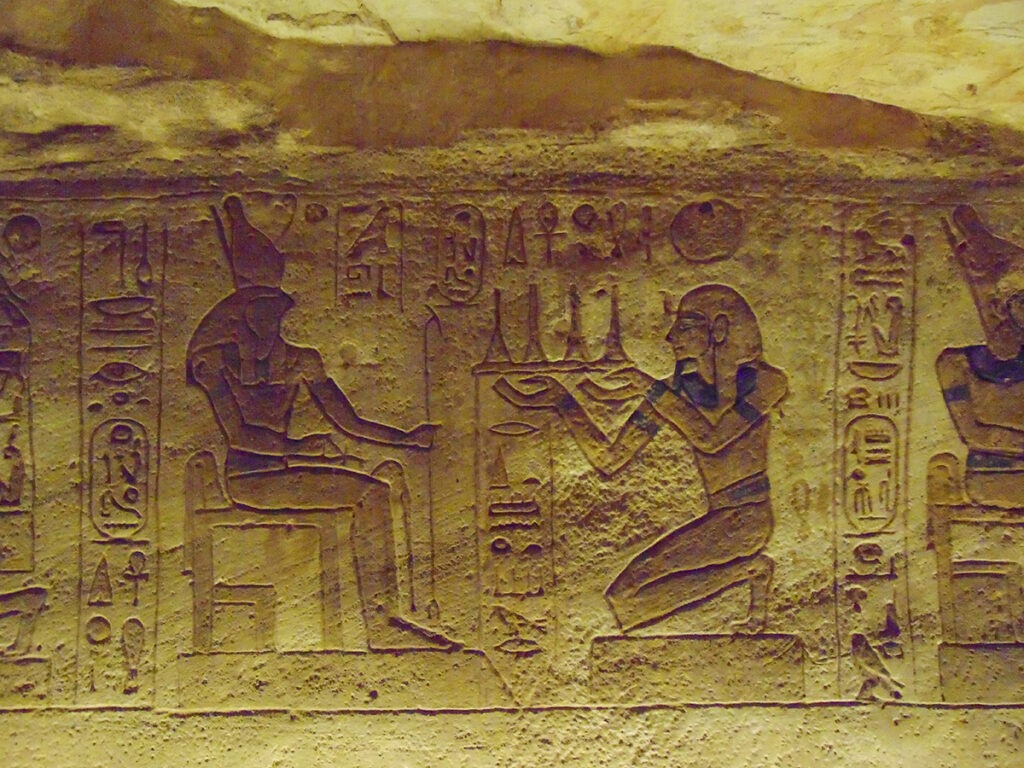
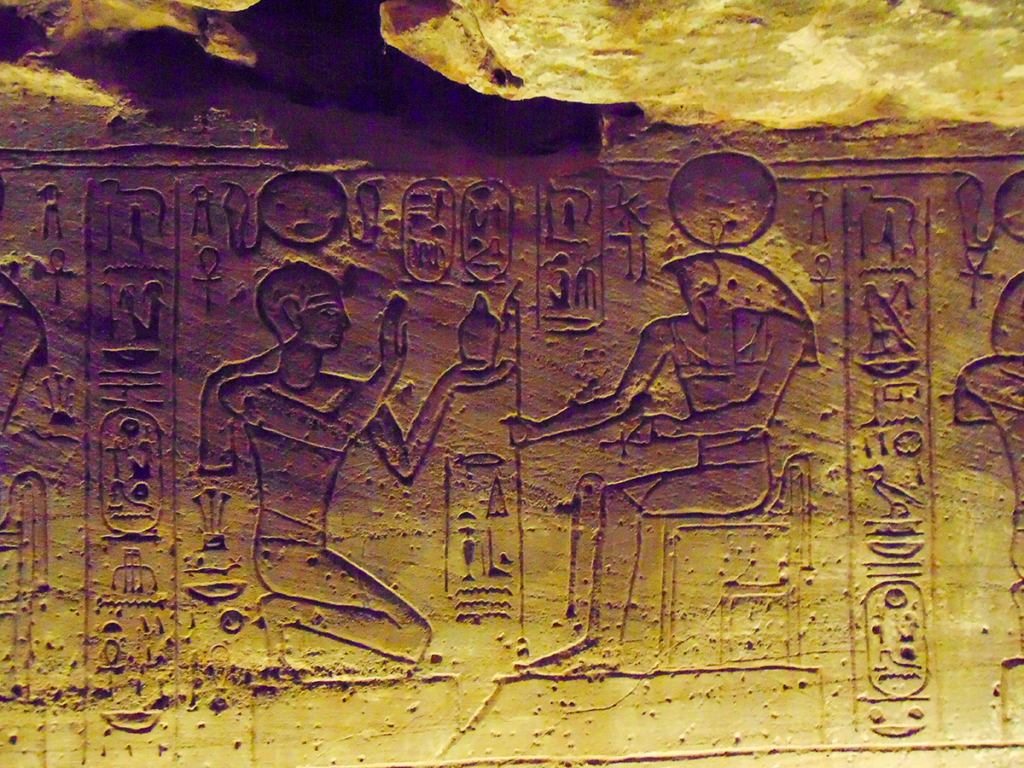
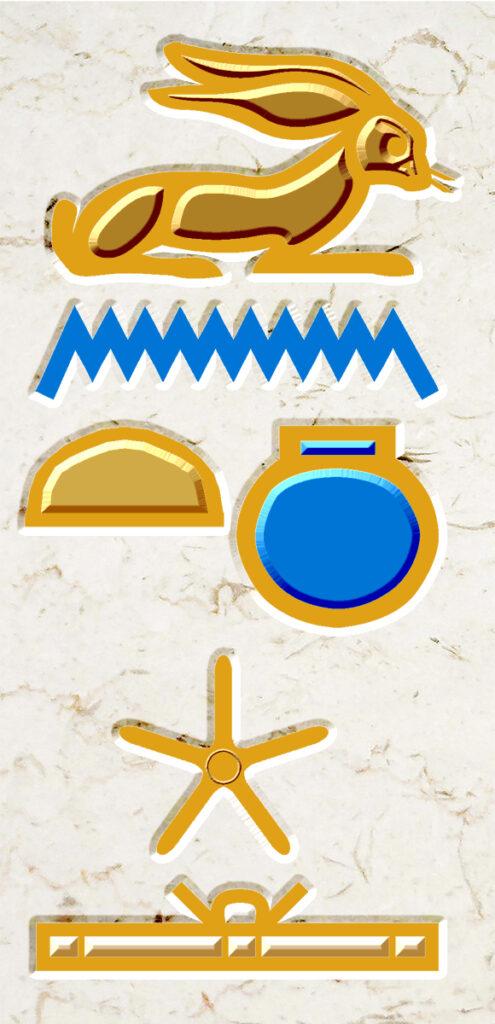
wnwt – Duty
The wnwt creates the 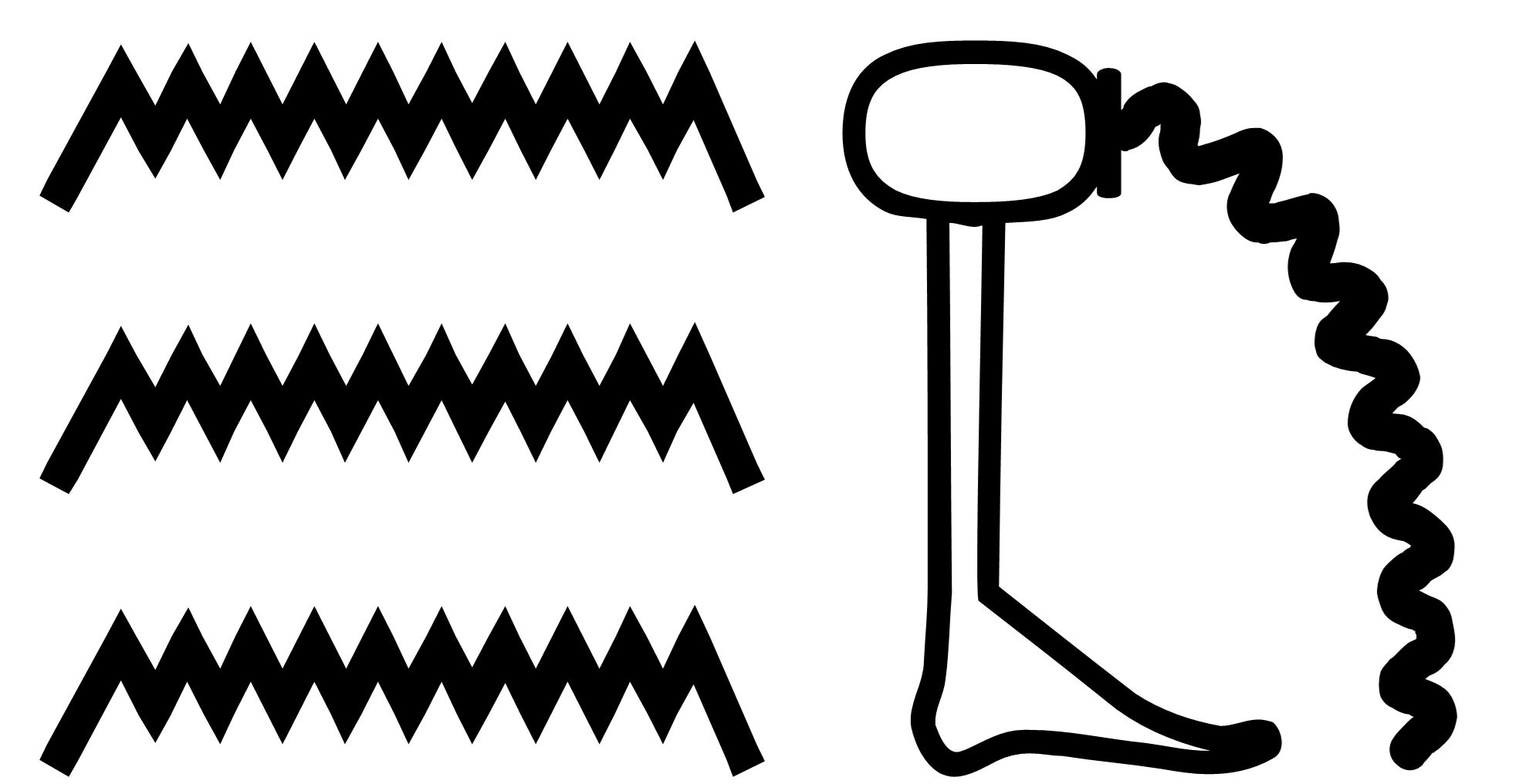 wab – purity within the temple where the nTrw can directly influence the seen world. As representatives of the nswt-bity, they have the HkAw magic power through him to create the temple as the home of nTrw and be in the direct presence of the divine.
Swyt nTr – Sacred Image of the god
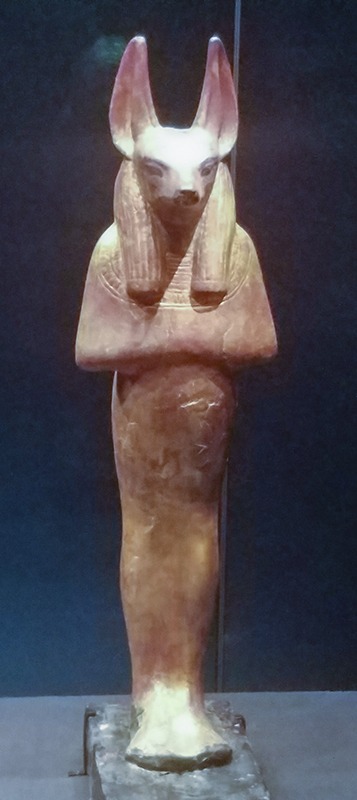
To facilitate the duty to the nTrw, wnwt created and maintained  Swyt nTr, directly translated as the shadow of a god or divine shadow, which were statues that formed the vessel whereby the nTrw could exist materially in the seen world. Swyt nTr were considered to see, speak, eat, drink, and have influence in the seen world. Swyt nTr refers to any image of the divine, which included reliefs on temple and chapel walls or a
  twt – statue. Specifications of the twt would vary depending on their use. twt of the chief deities of the temple were made of solid gold and inlaid with semi-precious stones about 2 feet or half a meter tall, but no actual examples of these survive. twt of the lesser nTrw were smaller, but all were contained within their own shrines, protected from the impurities of the outside world.
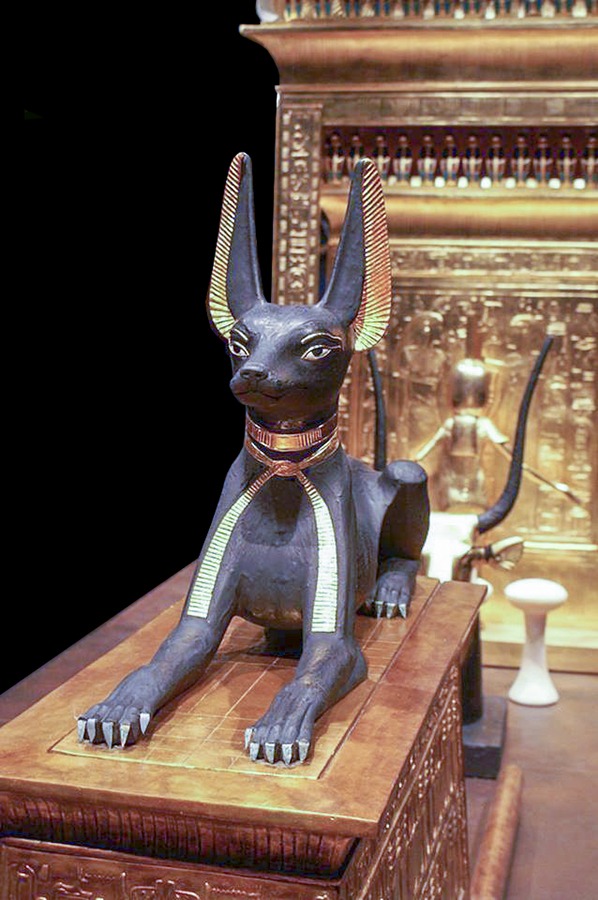
wab Purification
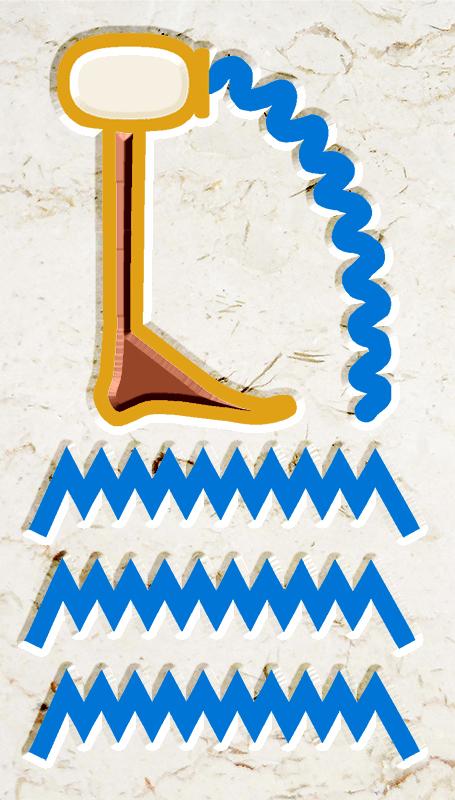
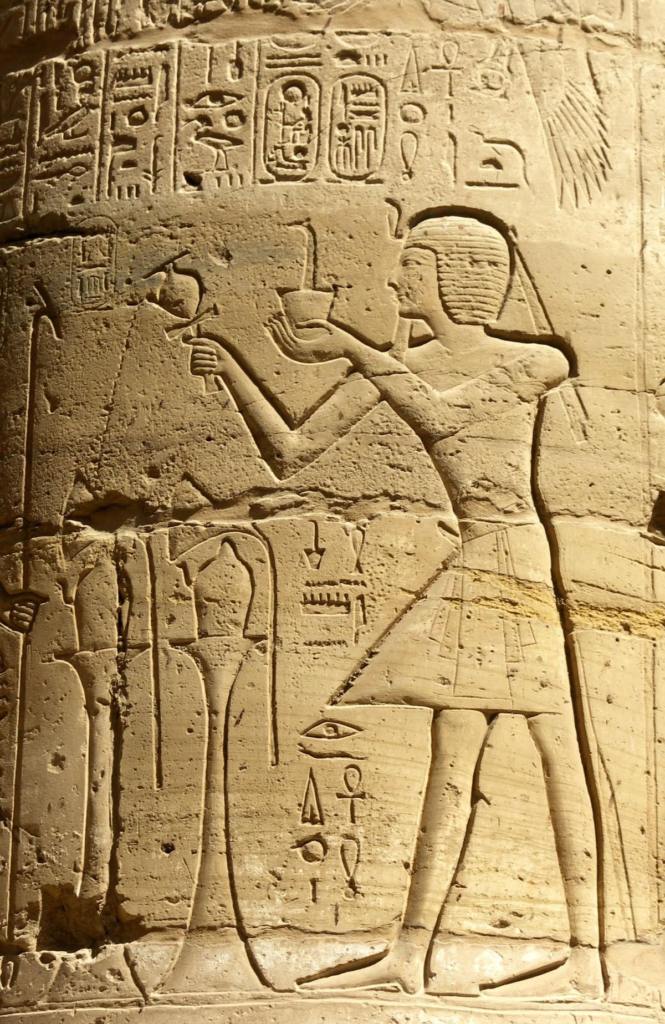
wnwt facilitated the nt a to wab the temple and Swyt nTr. The tools of wab are 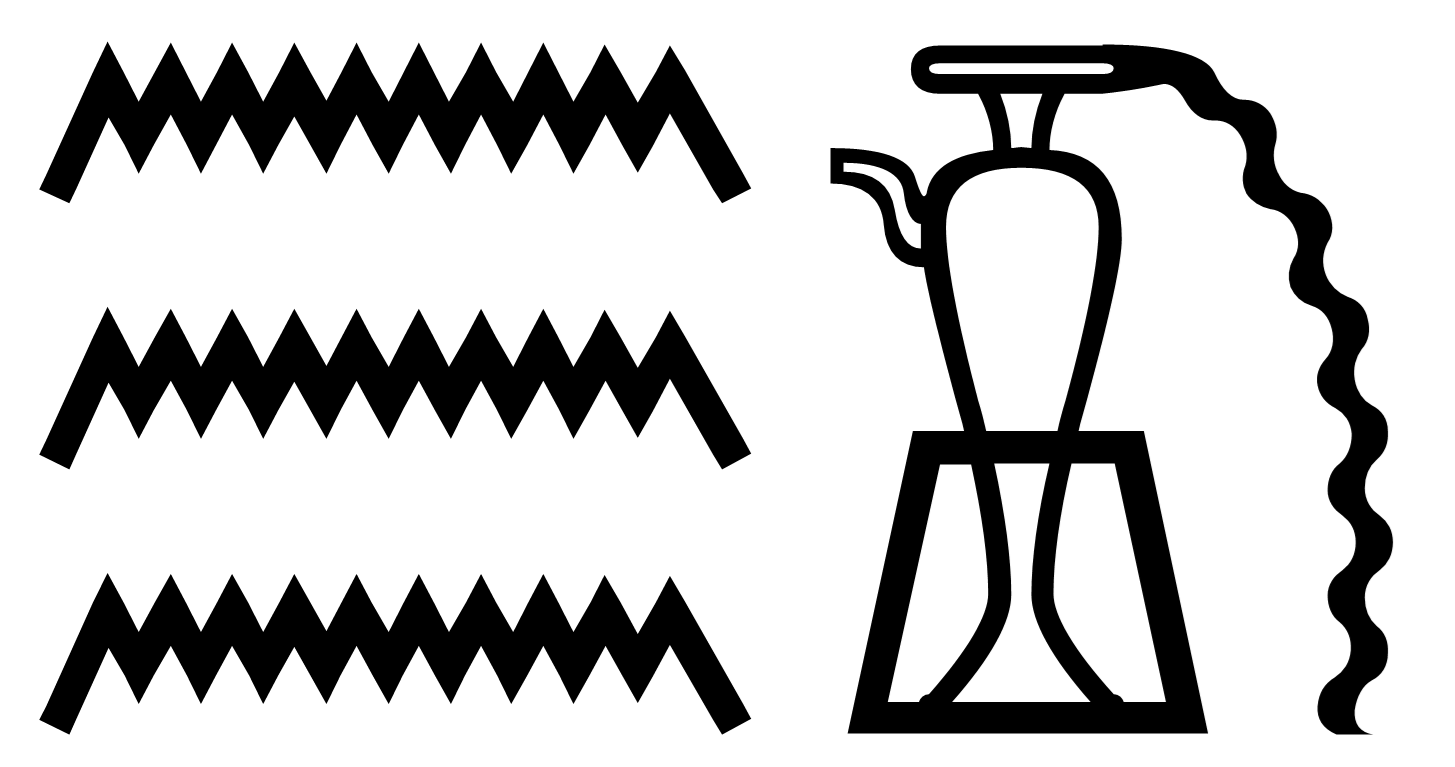 qbbwt – purified cold water,
 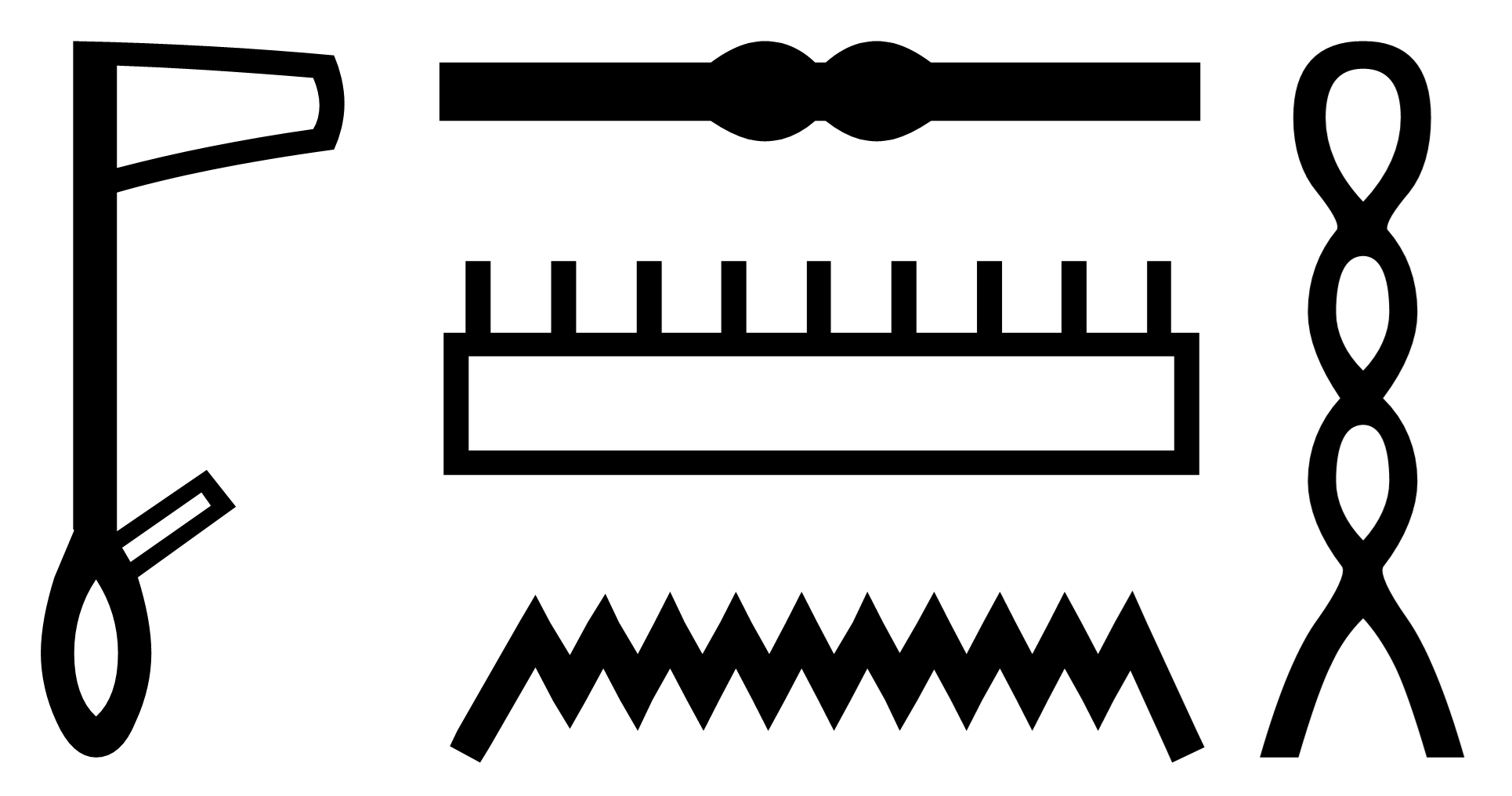 Hsmn – natron, and
  snTr – frankincense.
Hbs – Clothing
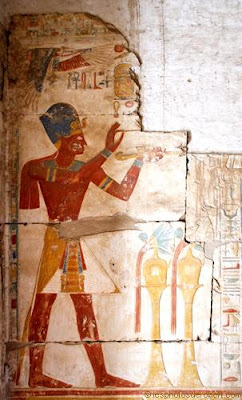
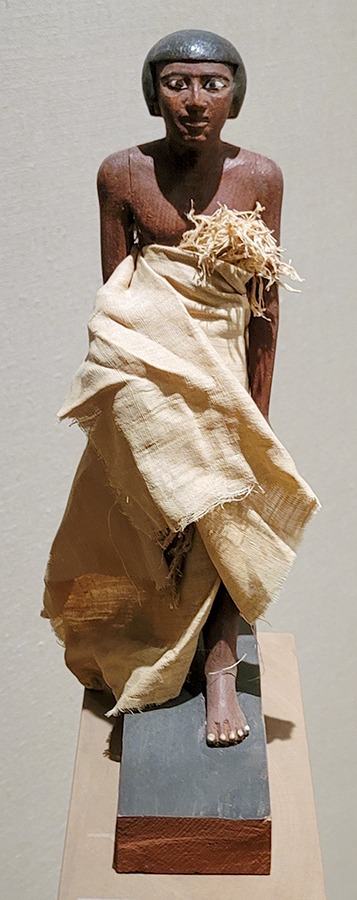
wnwt were responsible for providing Hbs – clothing for the twt statue of the nTr. Part of nt a included clothing the twt with specially made clothing and jewelry. Clothing the twt was a wnwt duty of high status, with
 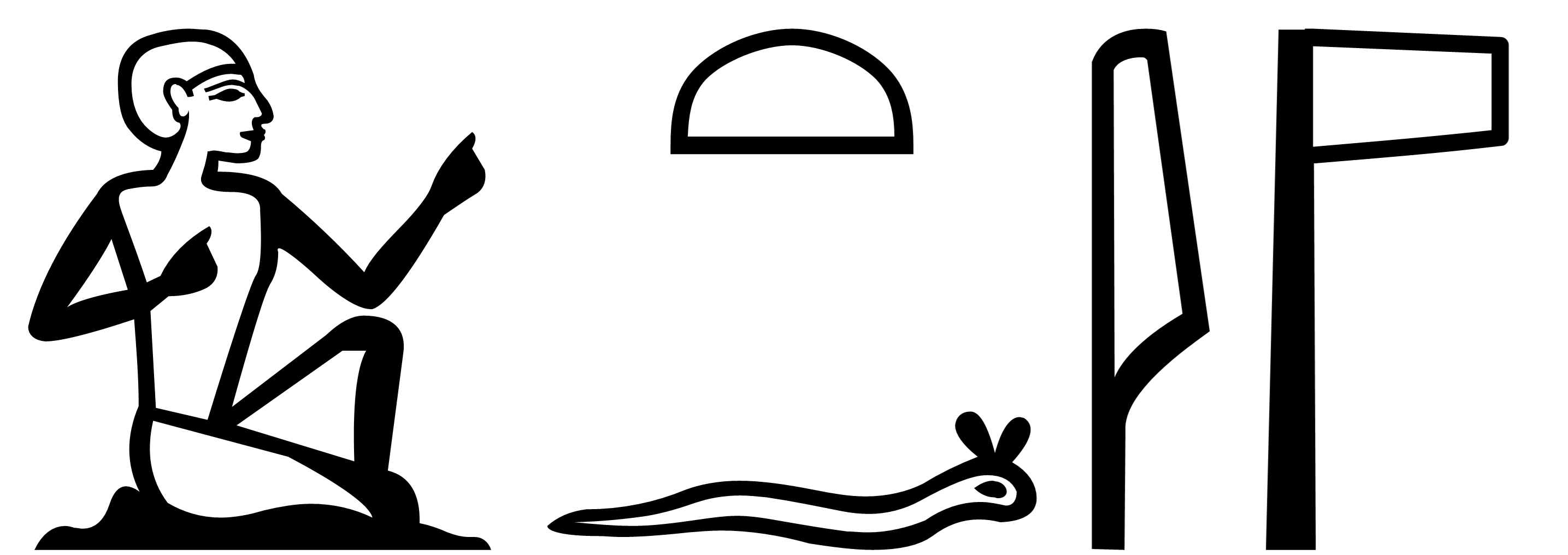 itf nTr – Father of the God carrying titles alluding to the specific Hbs they would place on a twt in a nt a.
sHtp – Offerings to the Temple
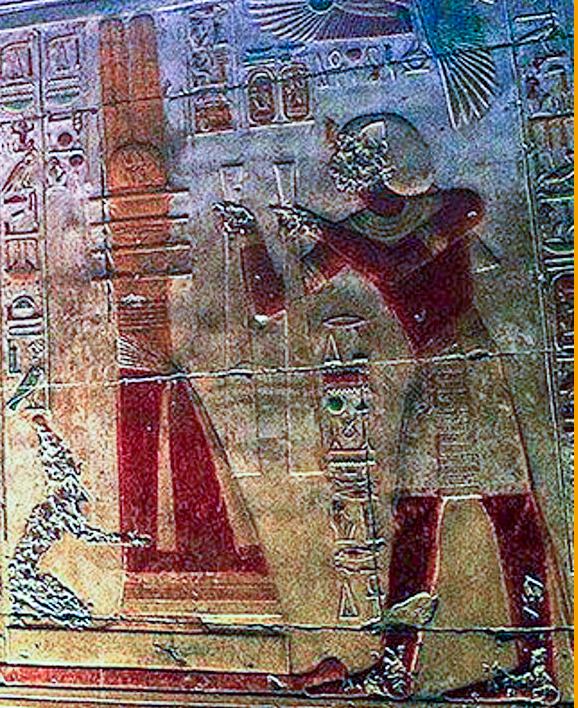
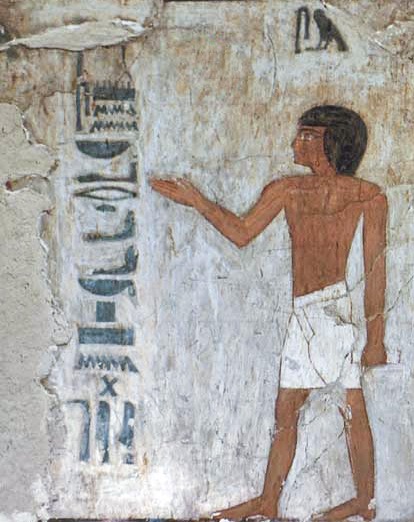
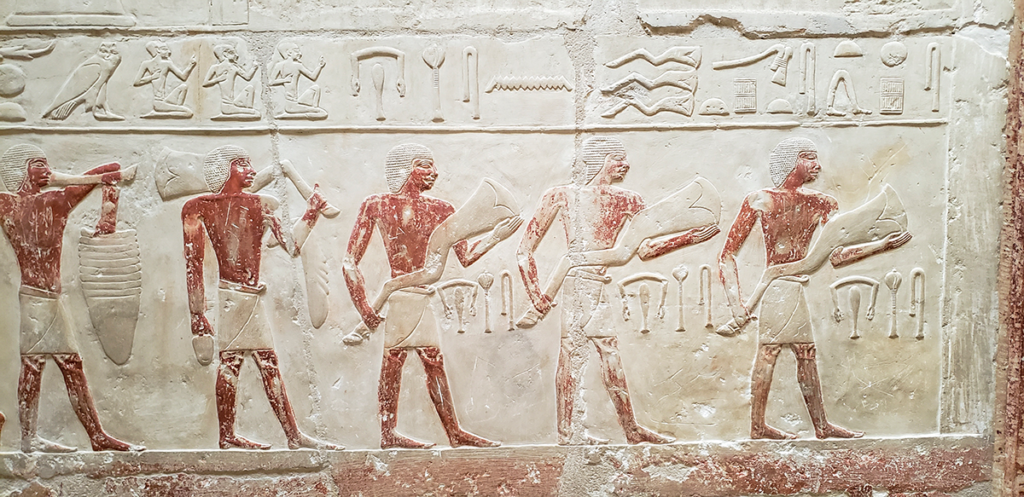
Many offerings to the gods were brought to the temple by petitioners for services provided by the temple. These were mostly food, which was counted and offered to the deities of the temple in daily offerings nt a. Other 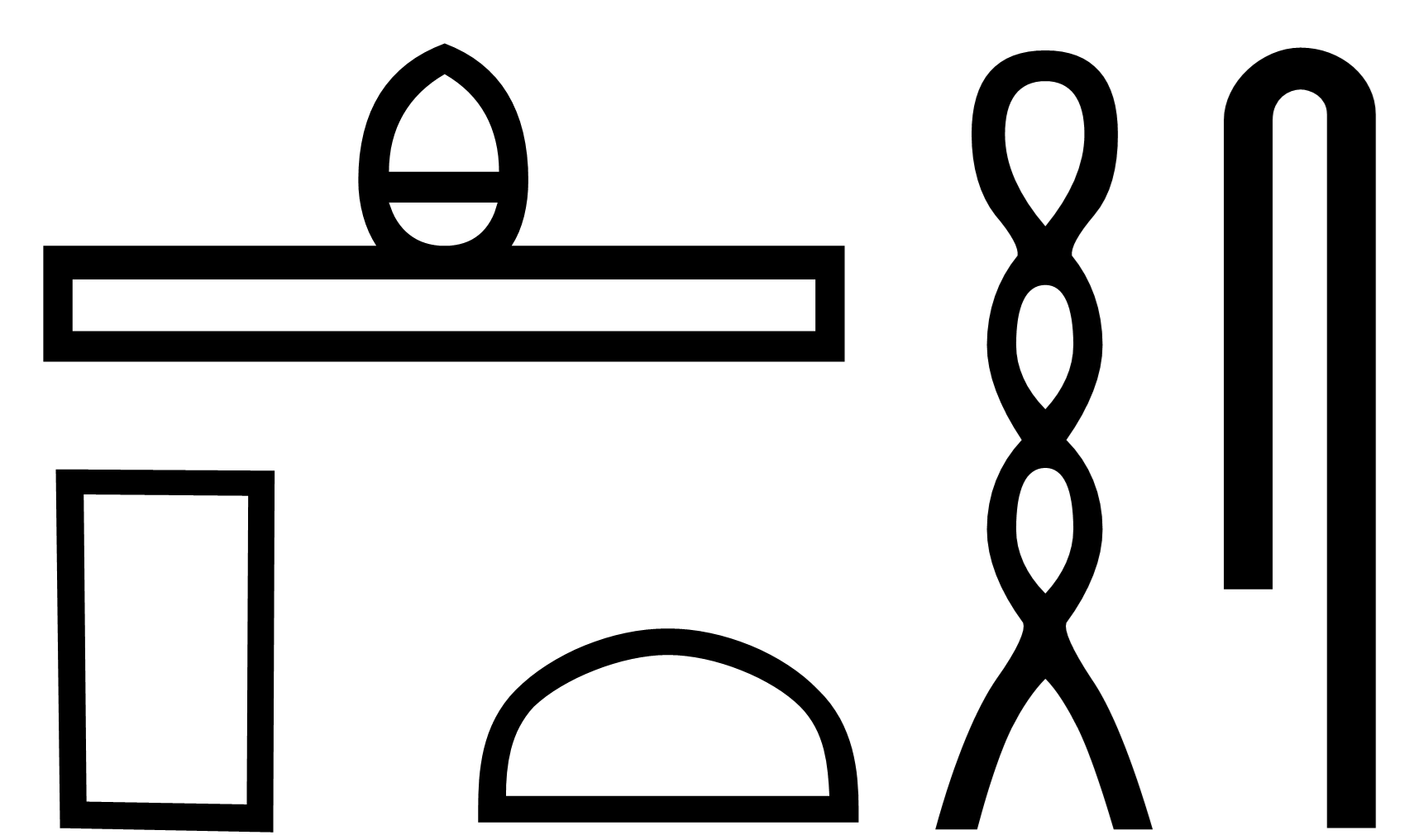 sHtp were cloth, precious metals, semi-precious stones, flowers, herbs, and otherwise
 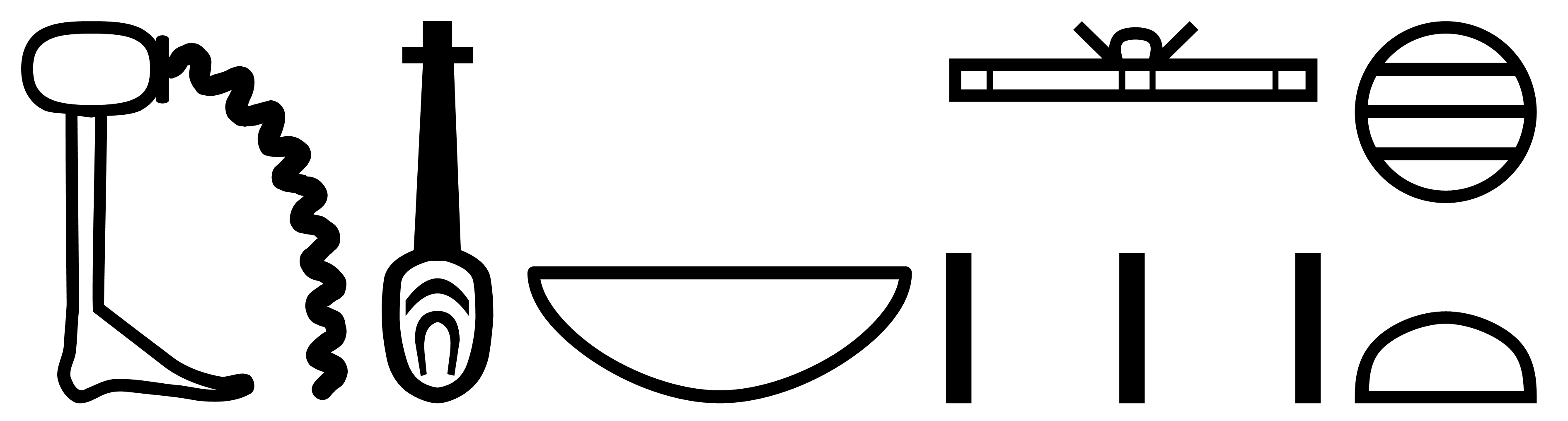 xt nb nfr wab – all good and pure goods prescribed in nt a or
  Hb festival.
Hb – Festival
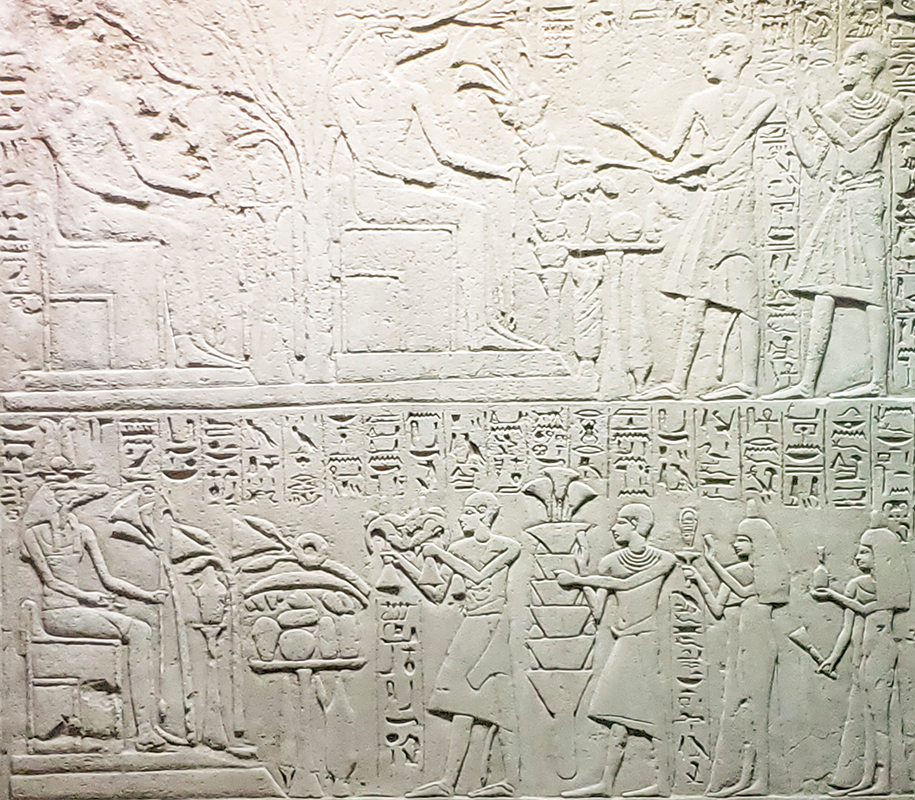
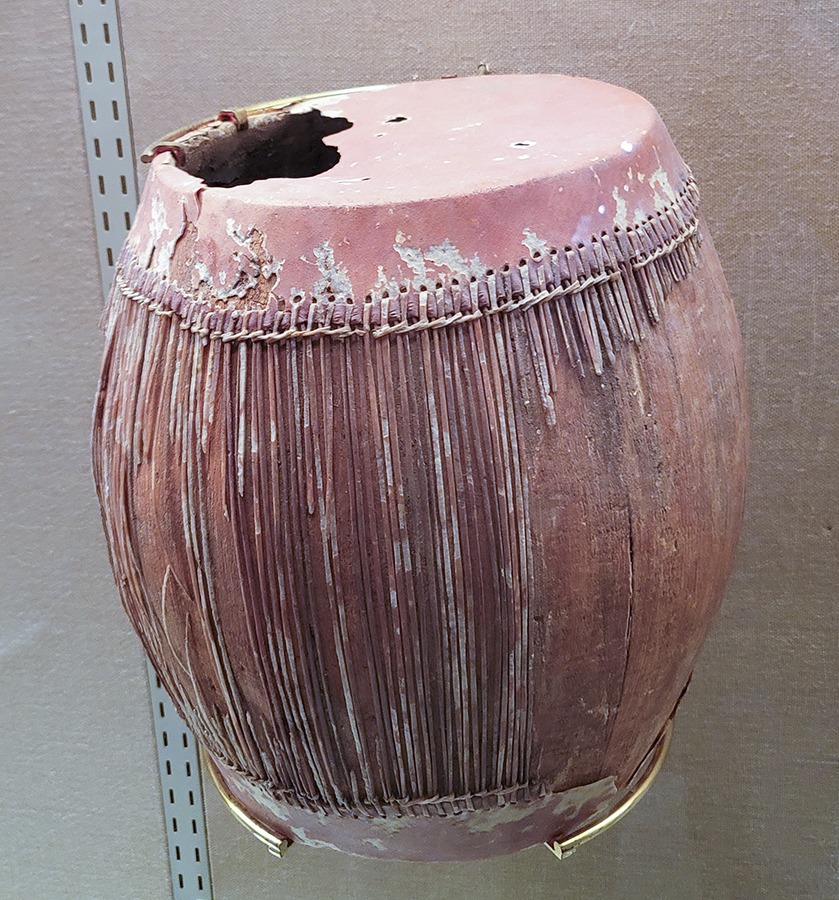
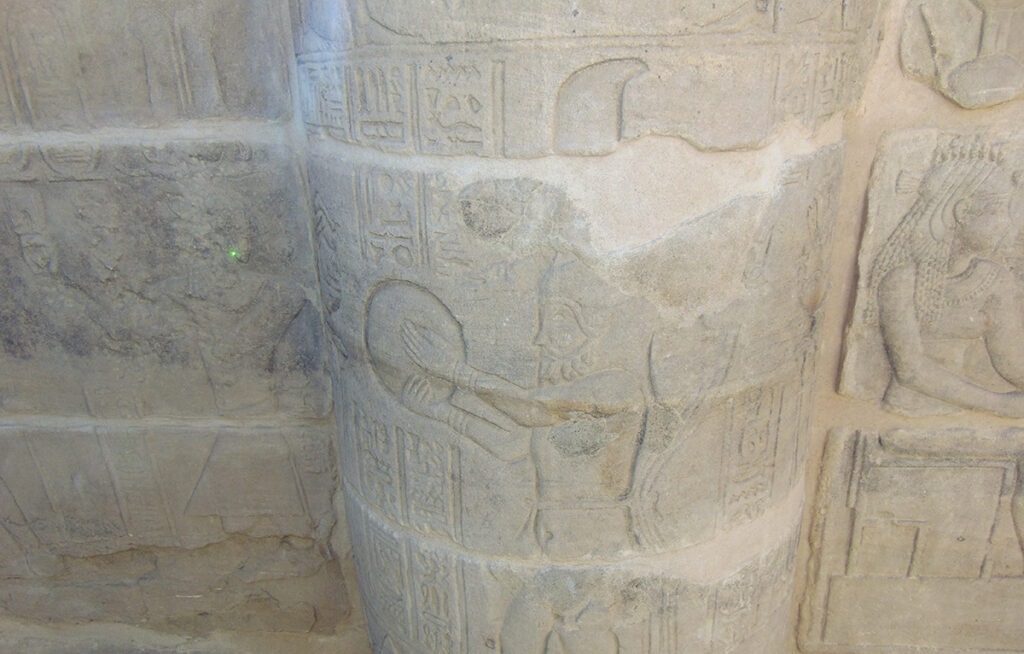
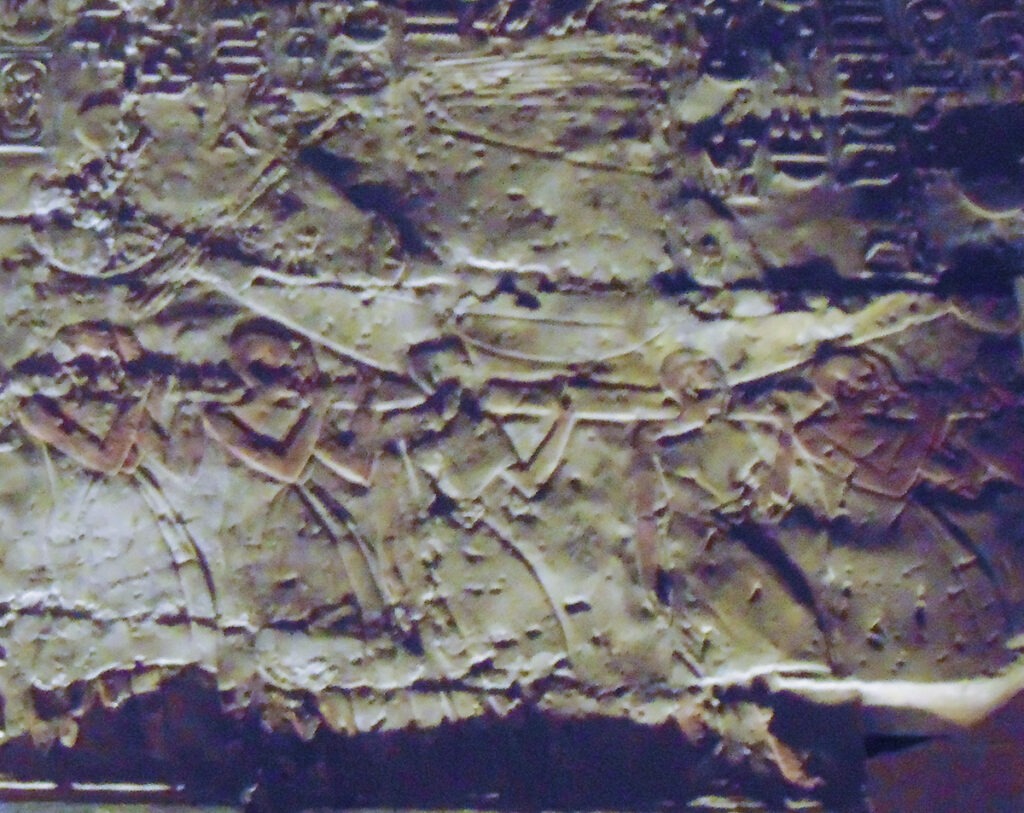
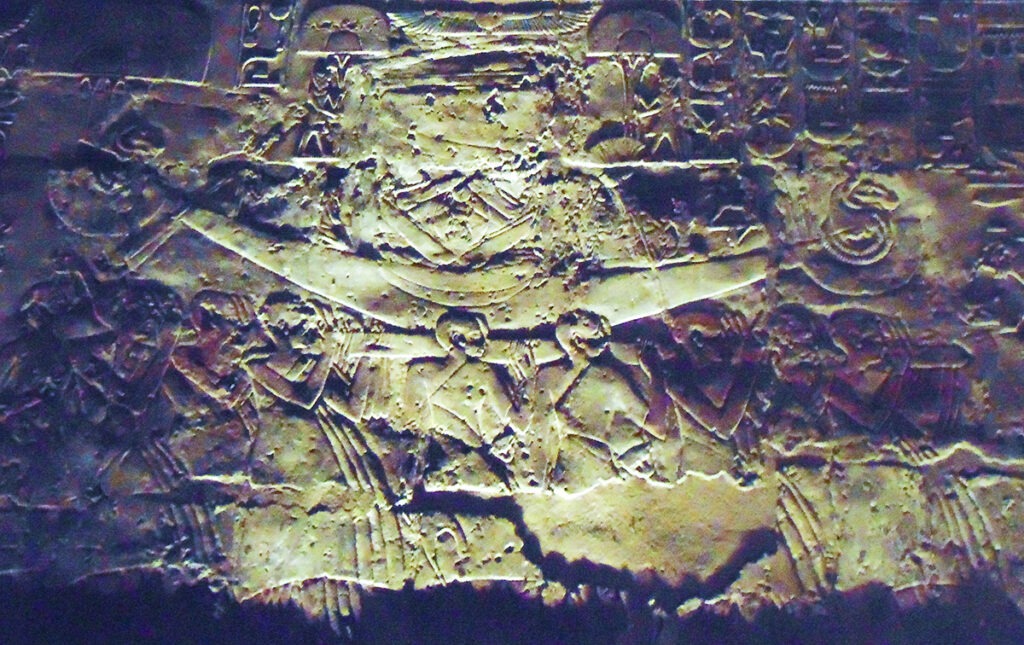
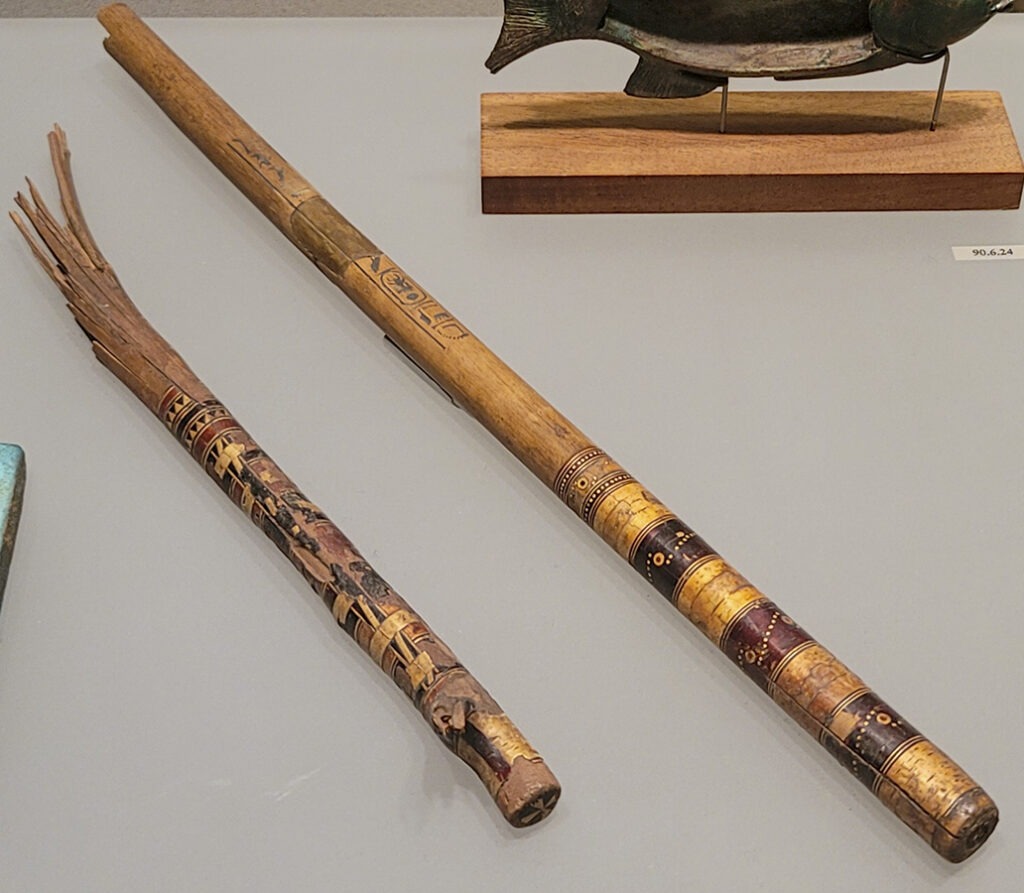
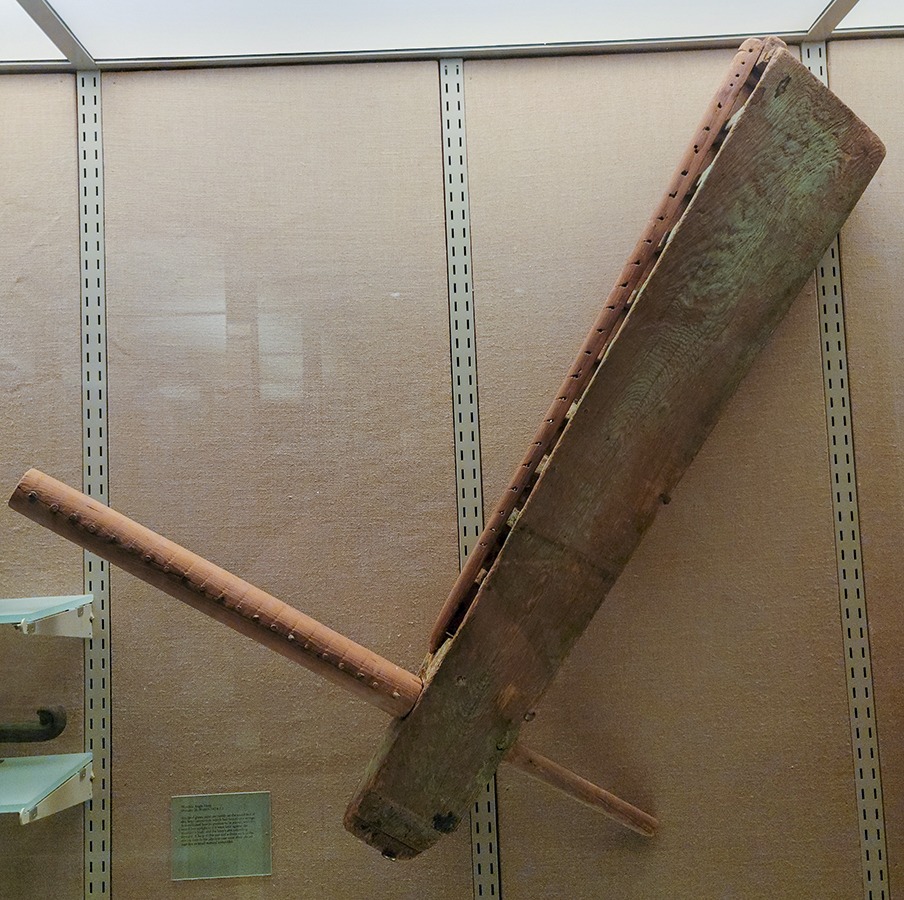
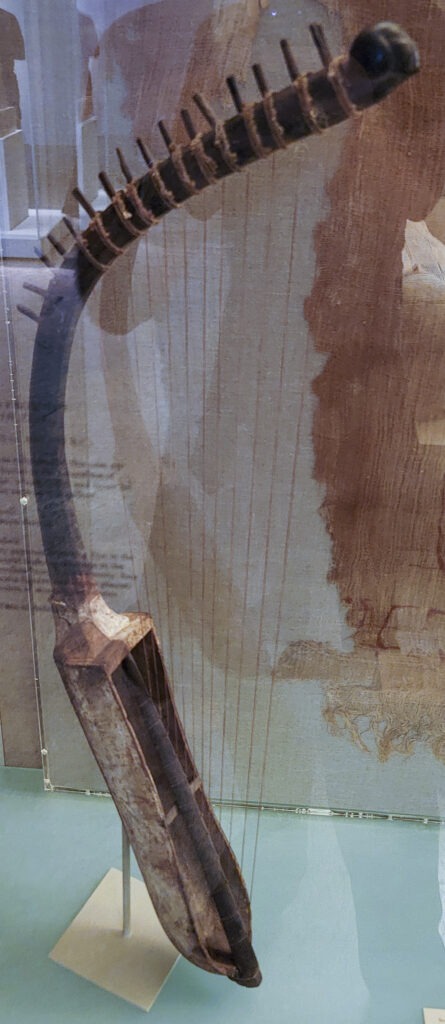
The wnwt workers in service to the temple manage and execute the Hb whereby the nTrw of the temple are brought before the rmT for praise and communication with the divine. Musicians would play instruments to celebrate the nTrw. Special sHtp were prescribed depending on the Hb, which was redistributed to the wnwt as well as rmT in attendance.
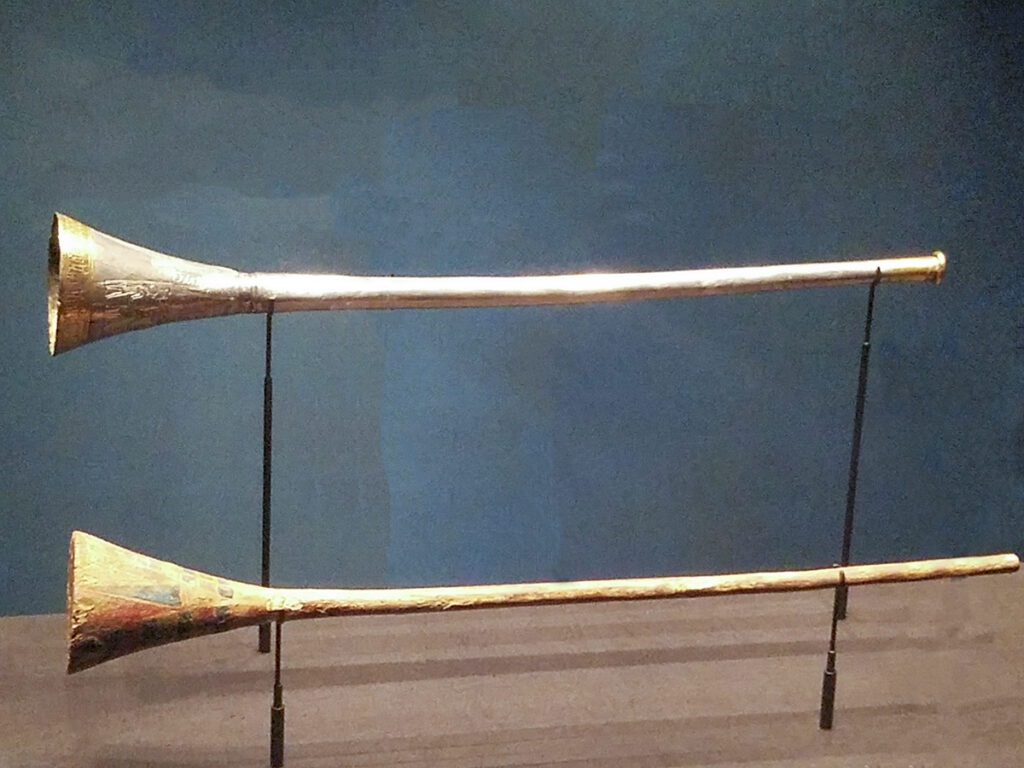
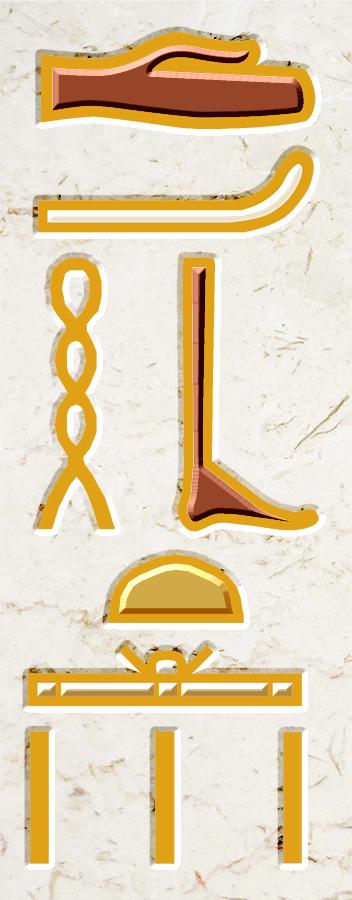
dbHtw – Requirements
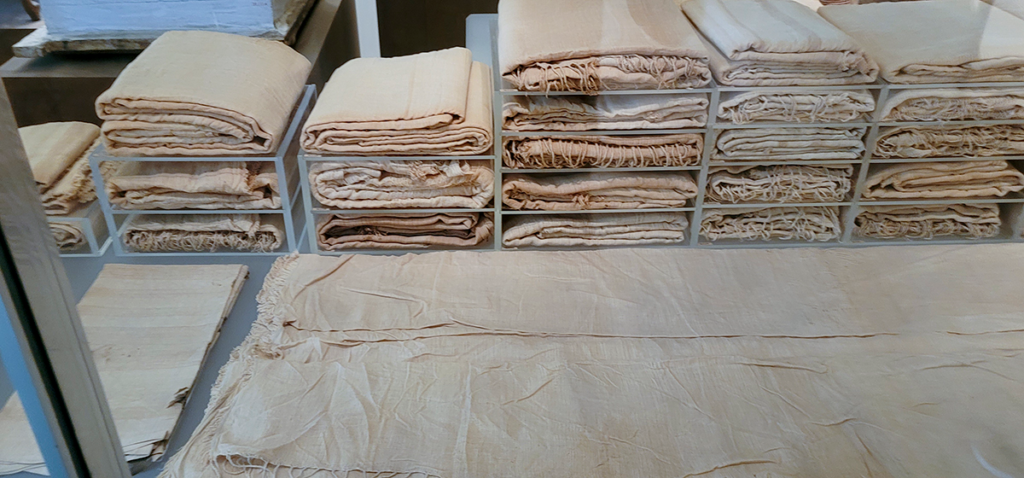
Taboos and forbidden behavior varied depending on the temple. wab was required to enter the inner temple, which included bathing with qbbwt and Hsmn, washing the mouth with the same, clean 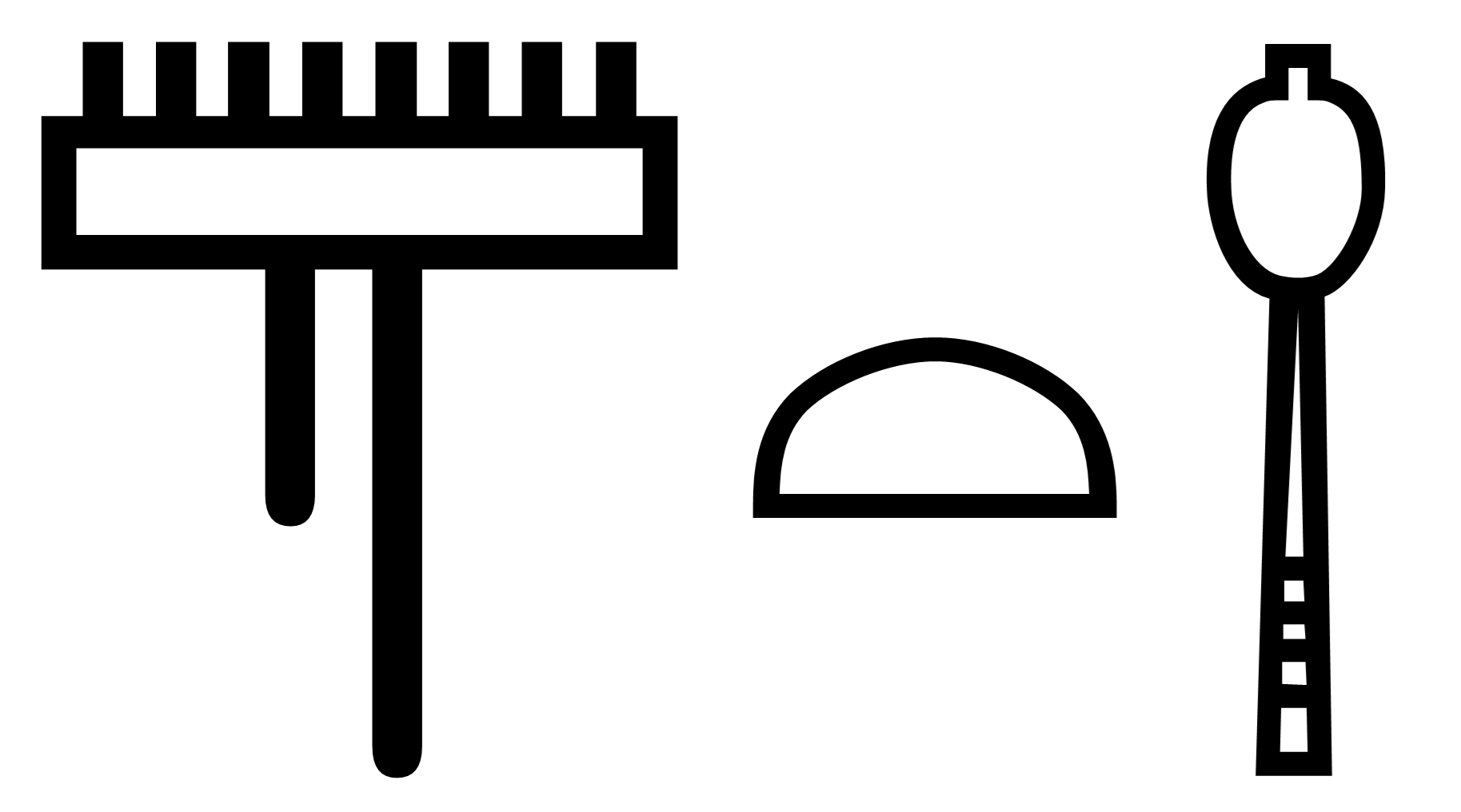 HDt white linen, and
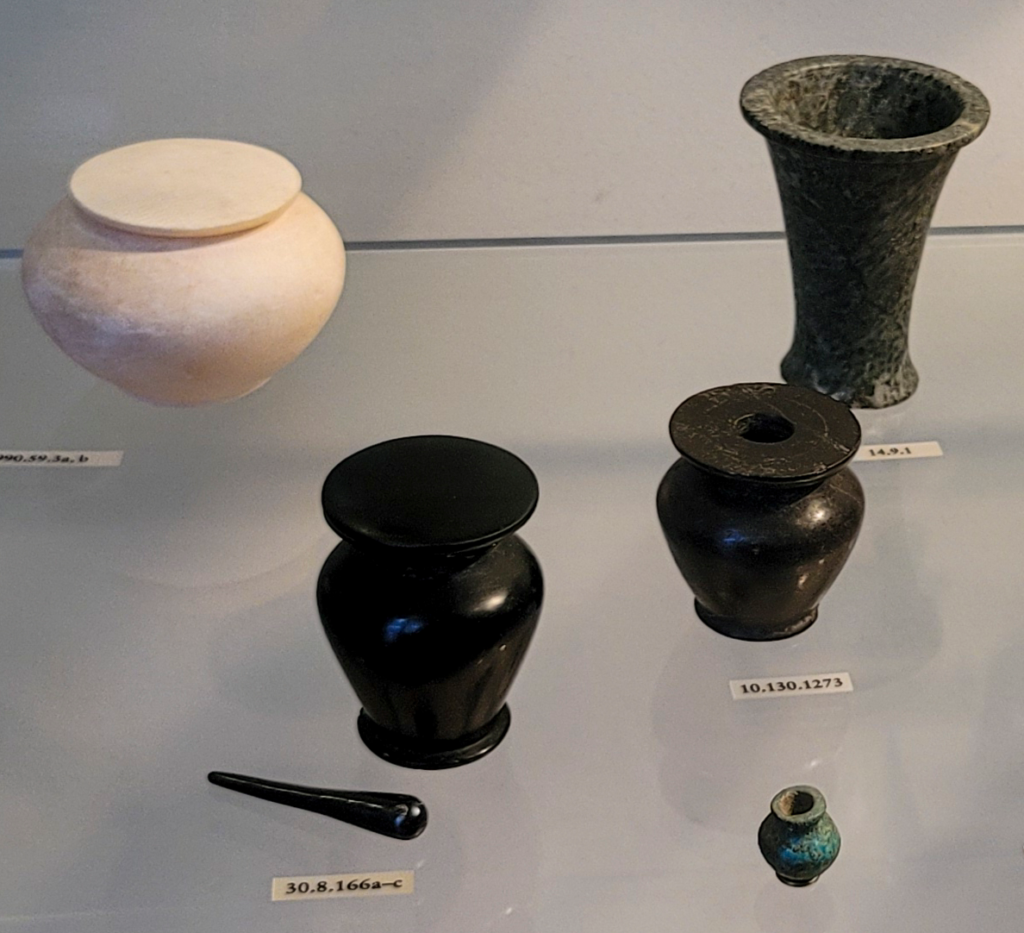
 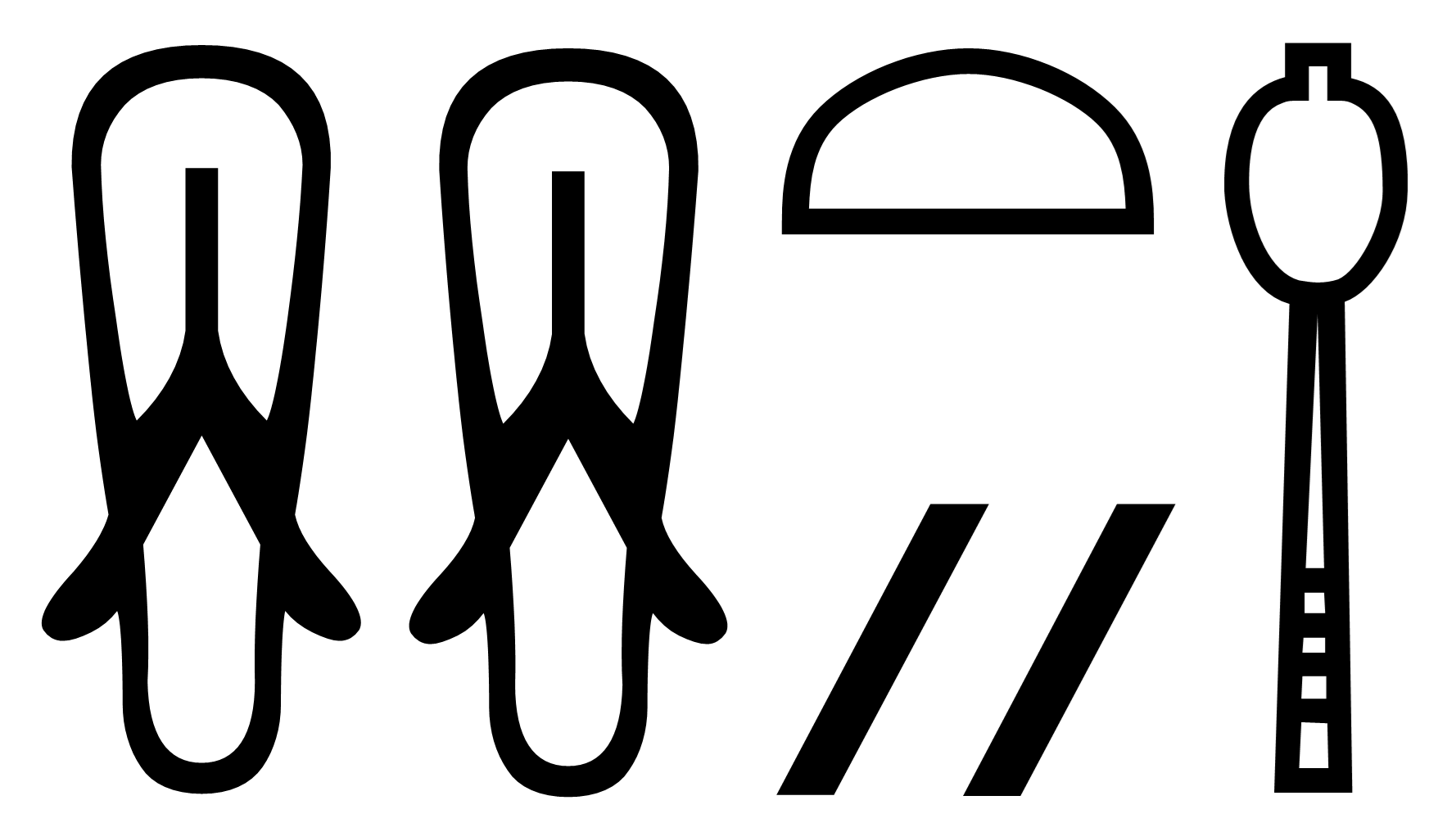 HDty white papyrus sandals. For the nswt-bity and other high-ranking wnwt, wab occurs in the pr dwAt House of the morning. Additionally, a ritual requirement of ingesting qbbwt with a small amount of Hsmn for ten days preceding participation in an nt a. Cosmetics of
  msdmt eyeliner and
  wADw green eye paint were worn as purification of the eyes and to acknowledge the beauty of the nTrw. Sexual abstinence was required within the temple, and purification was required after intercourse before entering the temple. Certain foods were not allowed depending on the chief nTr of the temple.
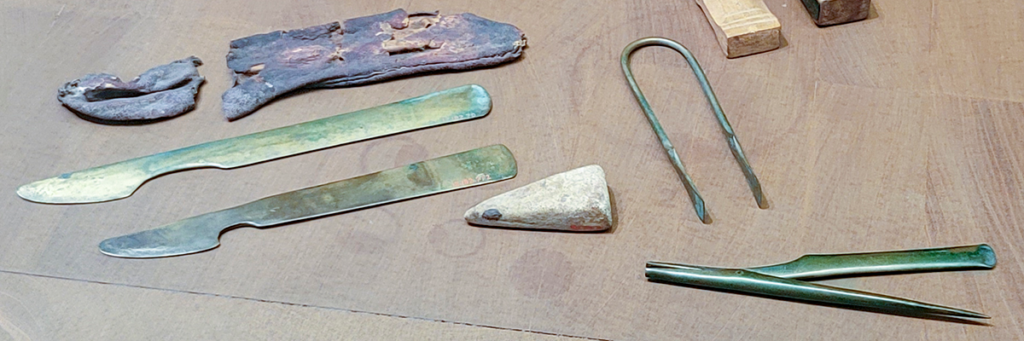
Xaq – Shaving
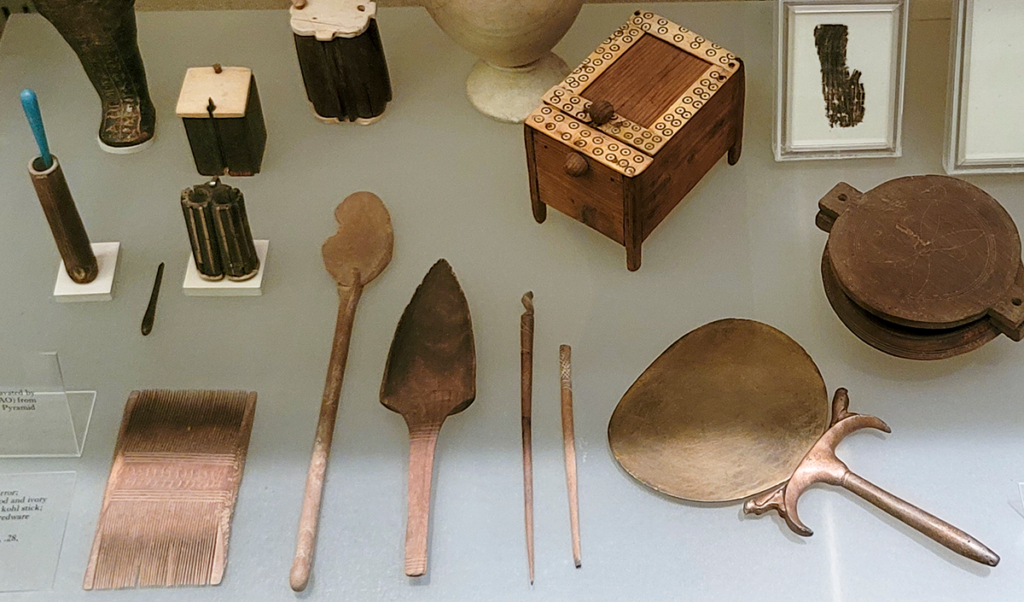
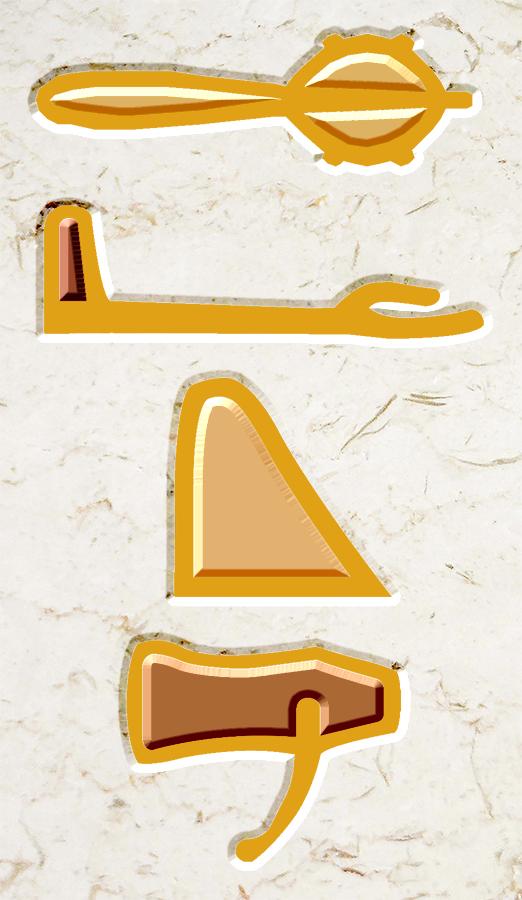
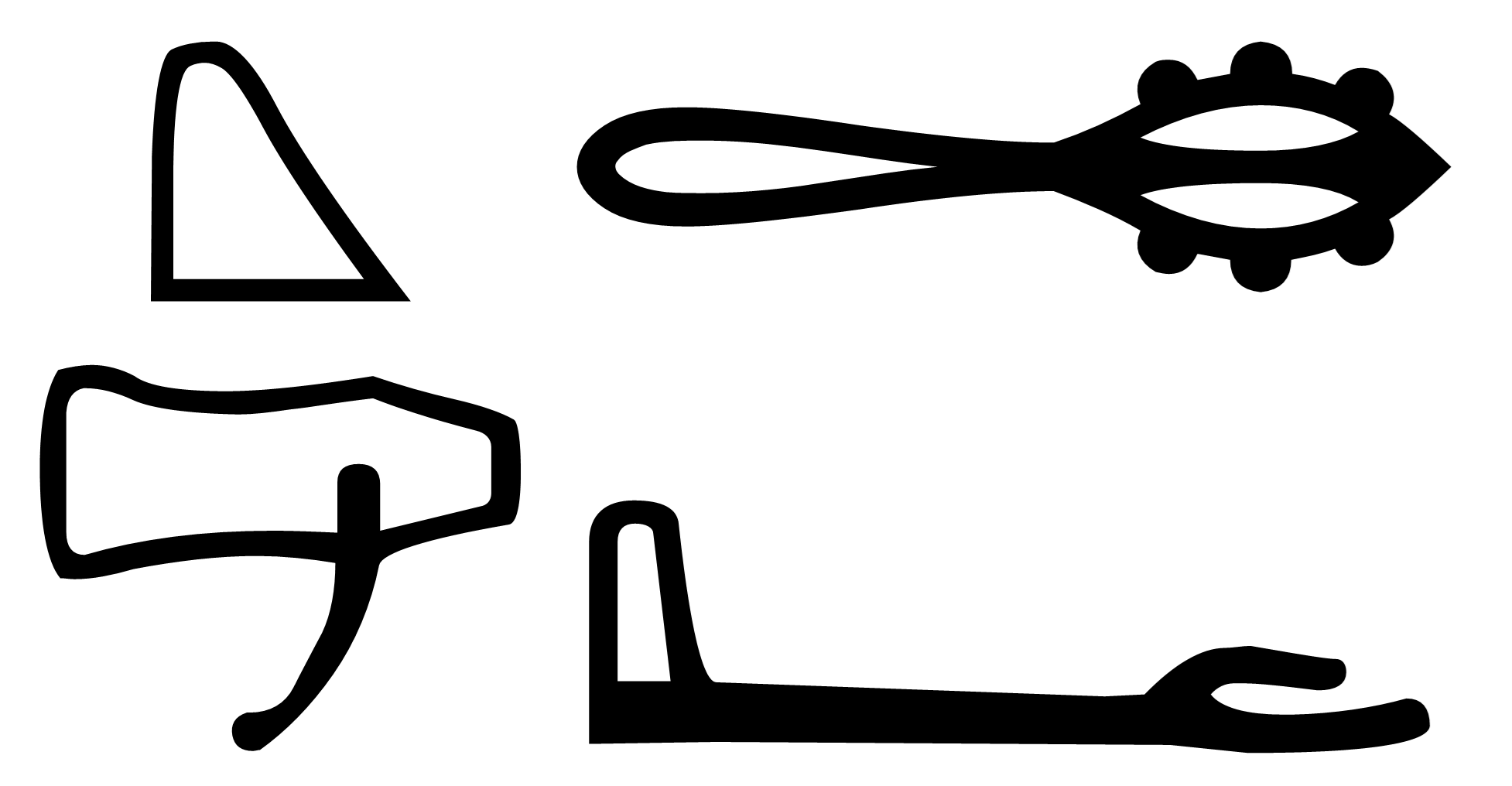 Xaq of all body hair was a constant practice by the wnwt. However, this was also a general cultural practice for the practical purposes of preventing lice and fleas. Additionally, the practice of shaving became progressively stringent over time. For example, during the Greco-Roman period, priests in the temple were fined 1000 drachmas if they were not completely shaved every three days. Greek historian Herodotus also noted that priests would shave all body hair, eyebrows, and even pluck eyelashes. The last was not recorded before the Greco-Roman period.
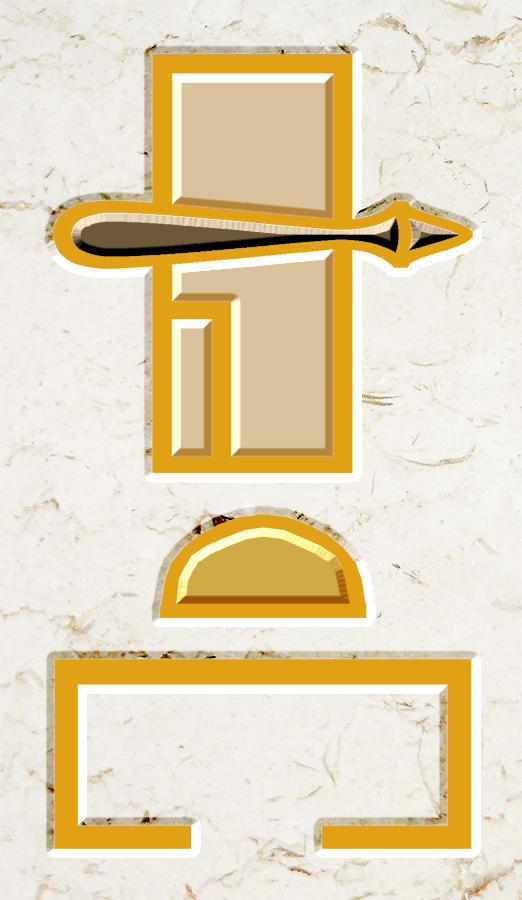
Hwt aAt – Administrative Center
As ancient Egyptian temples grew in prominence, they became seats of power only rivaled by the nswt-bity. 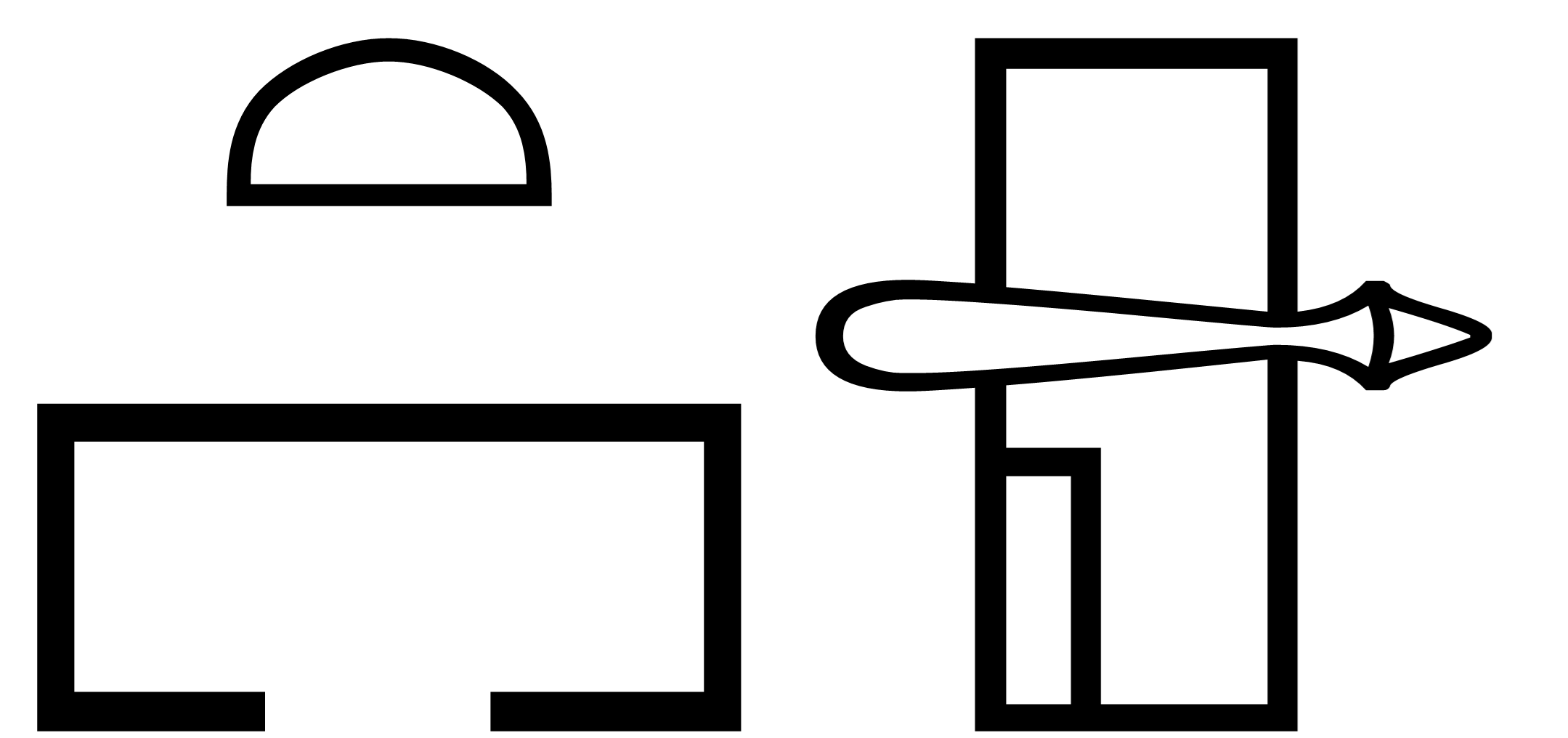 Hwt aAt was a name also applied to the palace of the nswt-bity, temples, and chapels of tombs. People came to the temple to petition the chief deity for advice in legal matters, for spiritual benefaction and prosperity, special services of magic, healing, and knowledge, as well as trade. Many times, temples would administer tax rents for farmlands and regulate commerce.
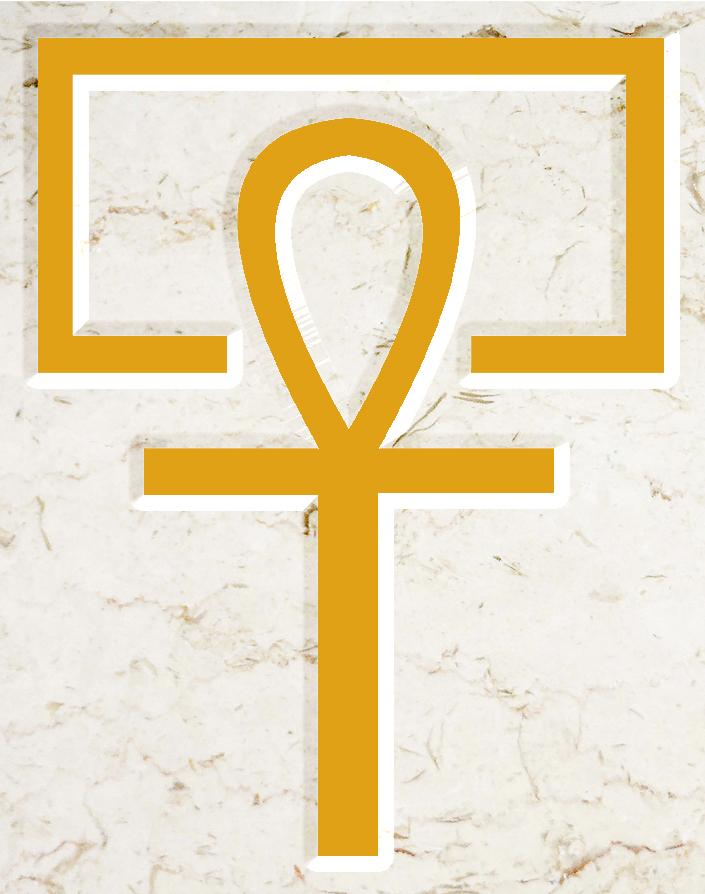
pr anx – House of Life
Professionals were trained at the temple’s 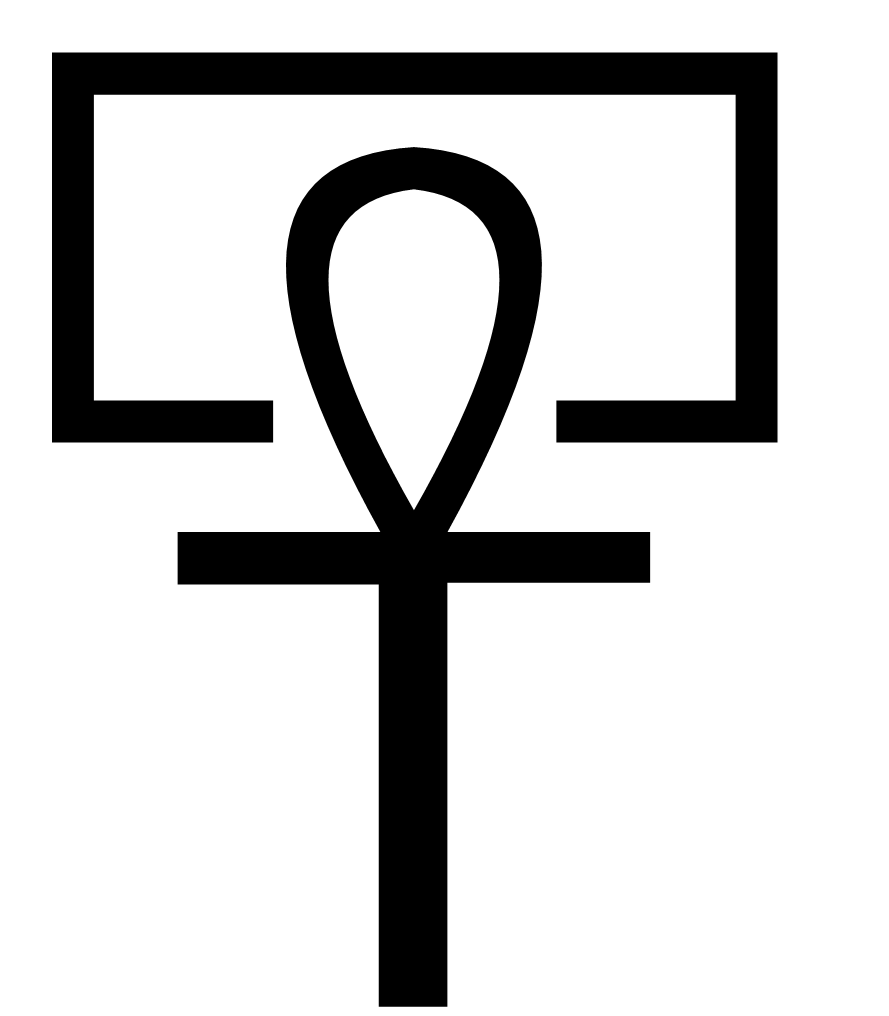 pr and, which housed written documents and records of all things, both magical and practical.
  swnw – physicians,
  DADAt – magistrates,
  sSw – scribes, wnwty, and other learned professionals trained at the pr anx to administer and provide services not only the temple but also the vast holdings and government of the ancient Egyptian empire.