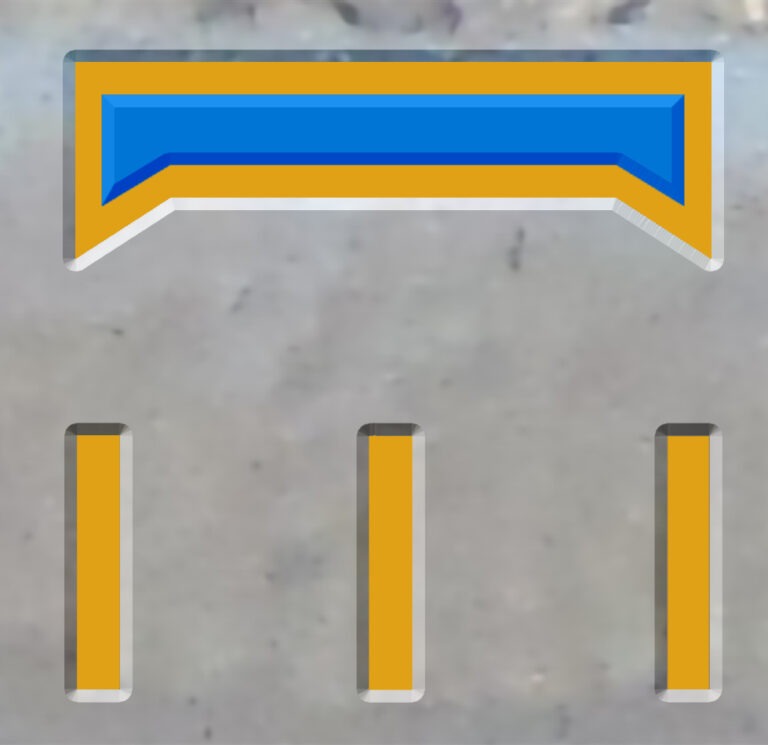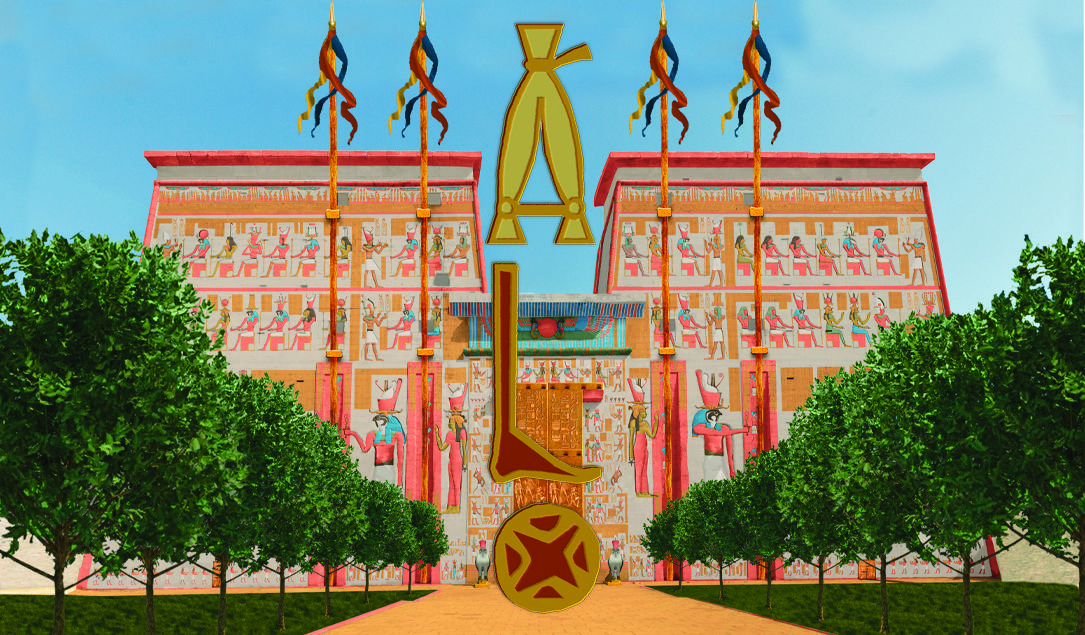

Among the many treasures preserved in the tomb‑chapel of the 18th Dynasty vizier Rekhmire at Thebes, few scenes capture the precision and sanctity of Egyptian ritual practice as vividly as the Utterance of Purification performed before four nmst jars. Painted within Theban Tomb 100 (TT100), this tableau offers a rare window into the ceremonial language, priestly roles, and material culture that shaped purification rites in the New Kingdom. More than a simple depiction of vessels and spoken formulae, the scene reflects a carefully choreographed act of ritual renewal—one that prepared the officiant, the offering space, and ultimately the tomb owner himself to receive divine favor.
In exploring this scene, we encounter not only the artistry of Rekhmire’s chapel but also the deeper theological logic that underpinned Egyptian purification: the removal of disorder, the restoration of ritual fitness, and the invocation of cosmic harmony. The four nmst jars, each associated with a specific purifying liquid, serve as both practical tools and symbolic anchors in this sacred performance. Together, they illuminate how purification functioned as a bridge between the human and divine realms, ensuring that the vizier’s memory and offerings remained eternally effective.
Source: tomb-chapel of the 18th dynasty vizier Rekhmire at Thebes (Theban Tomb 100 TT100)
 Loading…

 Reload document
  Open in new tab